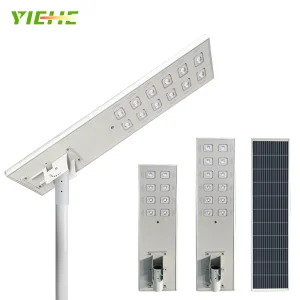
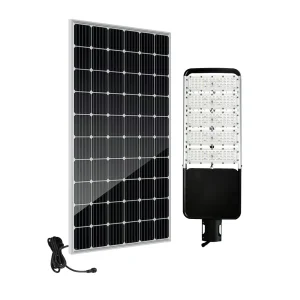
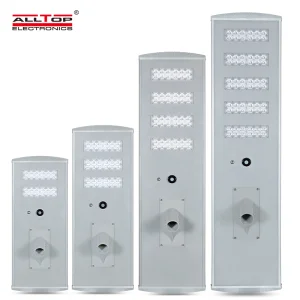
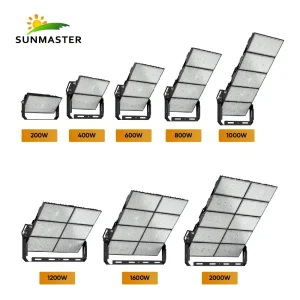
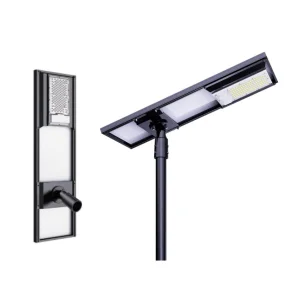
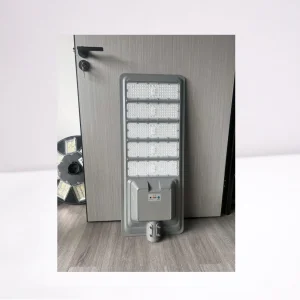
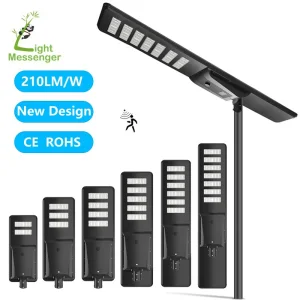
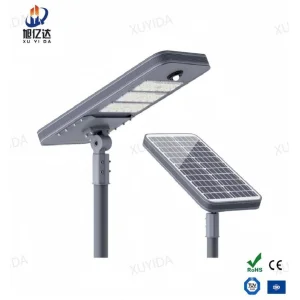
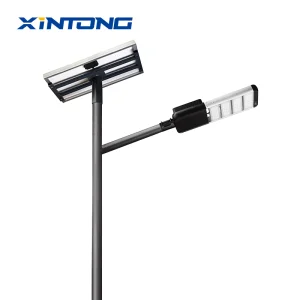
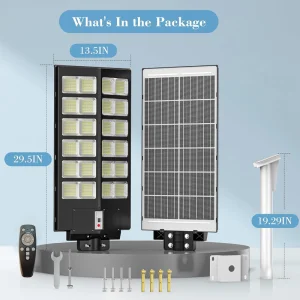
Optimized for high-temperature resilience and Saharan dust protection, these four primary systems deliver immediate off-grid reliability for public roads, parks, and residential zones.
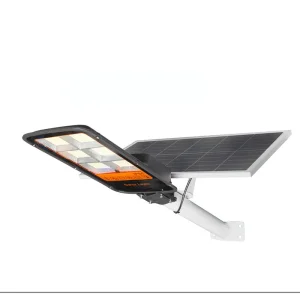
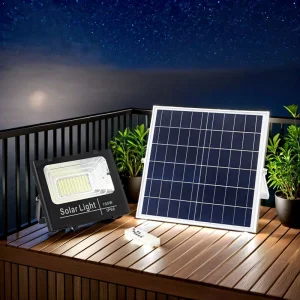
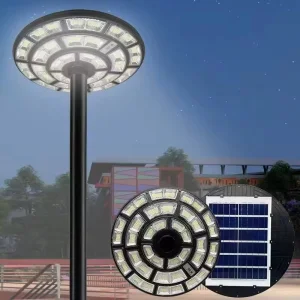
Developing robust street lighting in Gorgol Region demands technical intelligence. Here is how advanced PV engineering meets localized Mauritanian parameters.
Kaédi, positioned along the Senegal River in southern Mauritania, acts as a primary commercial hub for the Gorgol region. However, like many transitional urban areas in the Sahel, local municipal development faces grid reliability and extension bottlenecks. With high solar irradiance exceeding 2,100 kWh/m² annually, the environmental logic for off-grid lighting is absolute. Converting public roads, market zones, and municipal avenues to independent solar networks bypasses costly sub-grid extensions while rendering the city center safe and active after sunset.
Our solar luminaires are engineered to withstand Kaédi's unique climate characterized by sustained temperatures above 40°C in summer, high relative humidity near the river basin, and seasonal Harmattan winds carrying highly abrasive desert dust.
The global solar lighting landscape has matured from primitive lead-acid battery designs with separate components (All-in-Three) to highly integrated All-in-One (AIO) and All-in-Two (AIT) systems. Industry trend data indicates that international municipal buyers prefer systems using Lithium Iron Phosphate (LiFePO4) cells due to their thermal stability and long lifetimes, paired with smart MPPT (Maximum Power Point Tracking) charge controllers. Today's global procurement standards mandate real-time monitoring via IoT networks, allowing remote dimming, battery health assessment, and failure reports directly from local dashboards.
Leveraging optimized supply chains in Shenzhen and Ningbo, China-based factories yield superior economies of scale, strict quality control (QC), and customized driver configurations at a fraction of local procurement costs.
Our solutions for Kaédi utilize adjusted MPPT profiles, larger solar panel footprints to compensate for dust occlusion, and optimized structural supports that resist dry tropical winds.
Backed by Boray Light Co., Ltd.'s decade-long heritage, we test our structural parts and electronic packages under strict real-world simulations to ensure high reliability for West African infrastructure bids.
A curated selection of robust solar designs, matching high brightness requirements with efficient visual styling for commercial avenues and secondary urban links.
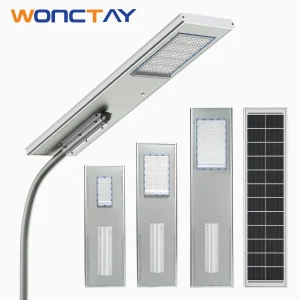
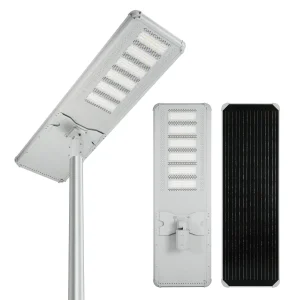
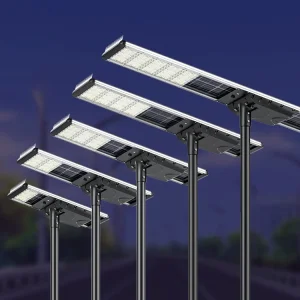
Why direct collaboration with our production facility in China guarantees superior product configurations and optimized shipping logistics for Mauritanian contractors.
Procuring commercial solar street lighting for West Africa requires a delicate balance of robust components and accessible unit economics. By eliminating intermediaries and sourcing directly from our modern production facility, buyers access advanced technological standards tailored to local specifications.
Every solar light head, MPPT controller, and battery pack we manufacture undergoes automated testing before consolidation. Our lines feature Surface Mount Technology (SMT) machines to build LED drivers, integrating intelligent thermal protection. Testing protocols include:
Standard municipal fixtures fail in Mauritania due to high-temperature damage and dust cover. To address this, we optimize material choices:
A. Monocrystalline Solar Panels: Monocrystalline panels have a lower temperature coefficient than polycrystalline units, meaning their output drop-off under high heat is minimal. They deliver higher efficiency (up to 22.5%) even when partially shaded by dust.
B. LiFePO4 (Lithium Iron Phosphate) Chemistry: Traditional ternary lithium batteries pose thermal runaway risks at high ambient temperatures. Our systems use premium LiFePO4 cells which withstand operating conditions up to 60°C and maintain over 80% capacity after 3,000 charge-discharge cycles.
A Decade of LED Expertise, Serving Global Municipal and Industrial Lighting Projects Since 2014
Boray Light Co., Ltd. founded in 2014 and dedicated to LED lighting, is a leading manufacturer and exporter of high-quality LED strip lights, dedicated to providing innovative lighting solutions for a wide range of applications.
With years of expertise in the LED industry, we pride ourselves on delivering energy-efficient, durable, and versatile lighting products that meet the diverse needs of our global clients.
We provide linear LED lighting solutions for indoor and outdoor applications with high-quality LED strip lights, LED COB strip, LED neon and other LED lights.
Our factory consists of more than 50 employees, over 10 years specialized in LED strips area, all of whom are dedicated to providing excellent products and customer service, supporting quickly our customers with professional lighting solutions.
We currently focus on LED strip lights, COB strip, Neon strip, flexible pixel strips, LED rigid bars, high voltage LED strip and LED aluminum profile.
Most of products are widely used in Indoor & Residential Lighting, Outdoor & Recreational Lighting, Architectural Lighting, Commercial Lighting, etc. Our manufacturing setup features SMT (Surface Mount Technology) Machines, LED Testing Equipment, Coating and Sealing Equipment, Assembly and Packaging Equipment Inspection, and dedicated Quality Control Equipment.
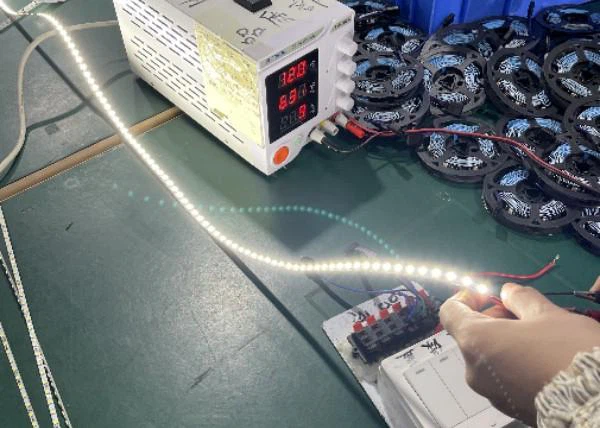
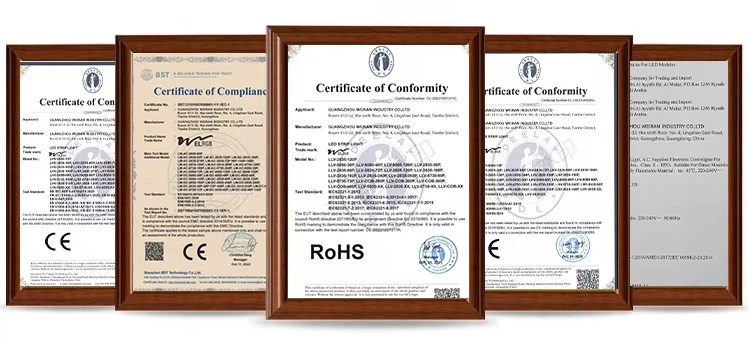
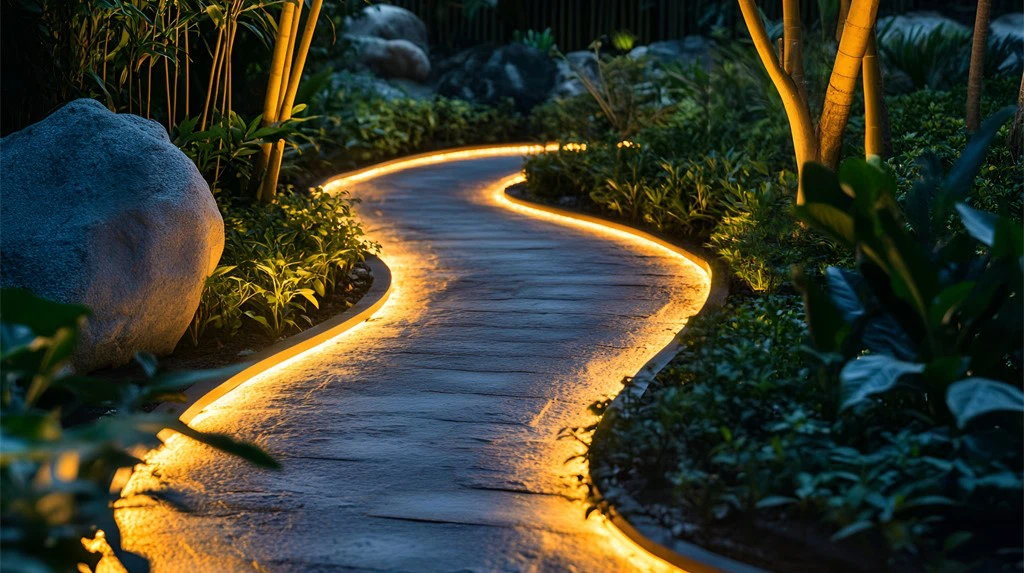
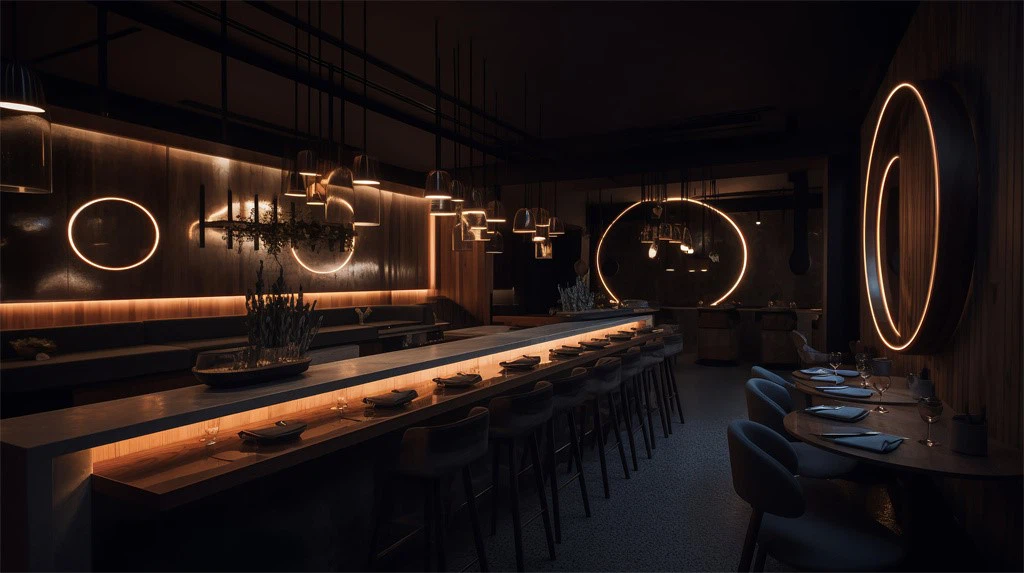
Over the years, our commercial lighting configurations have lit up arterial roadways, industrial sites, and urban projects across diverse geographies, maintaining high operability in harsh environments.
Explore our main selection of heavy-duty, motion-sensor, and high-wattage streetlighting assemblies designed to survive intense heat and run autonomously.
Addressing core technical questions raised by site engineers, municipal planners, and supply chain managers in the Gorgol region.
Get in touch with our technical sales engineers for free layout planning, dialux simulations, and bulk wholesale pricing for your Gorgol regional tenders.
Send Inquiry Now Boray Light