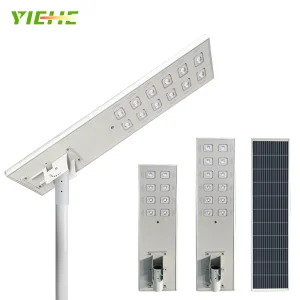
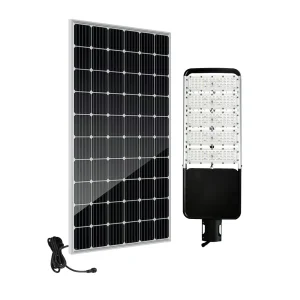
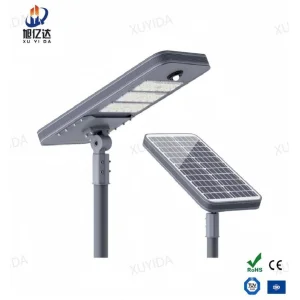
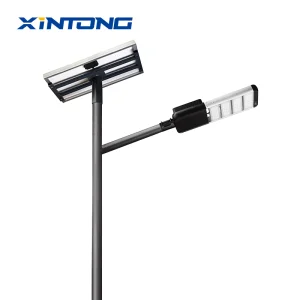
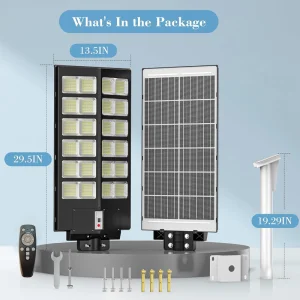
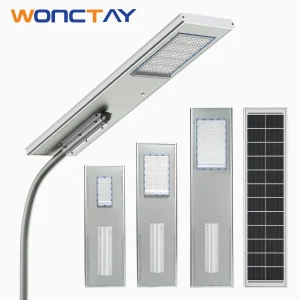
High-performance municipal, commercial, and residential outdoor solar solutions configured for optimal tropical performance.
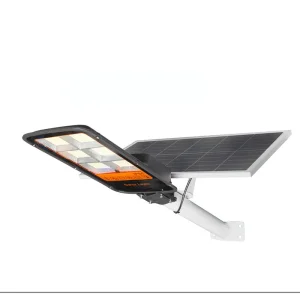
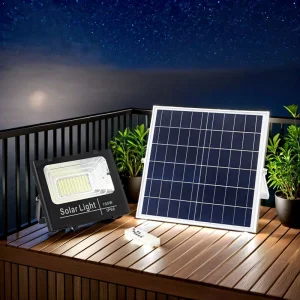
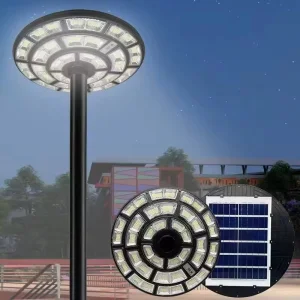
As one of Central Africa's key oil-producing nations, Equatorial Guinea (comprising the mainland Río Muni and Bioko Island containing the capital city of Malabo) is undergoing an ambitious infrastructure modernisation campaign. Historically reliant on gas-fired thermal plants and heavy diesel generators for municipal electricity, the government's Horizon 2035 development agenda actively encourages decentralized renewable energy. High grid connectivity costs in dense tropical forests and isolated coastal districts make high-durability solar lighting solutions the most cost-effective and operationally viable option.
The commercial and industrial sector in towns like Bata, Mongomo, and Oyala requires continuous outdoor lighting for safety, shipping operations, and infrastructure security. However, deploying solar technology in Equatorial Guinea poses specific geological and meteorological challenges. Located directly on the equator, the region experiences high annual precipitation, dense cloud coverage during the rainy seasons, and constant humidity ranging from 80% to 98%. Under these conditions, low-grade solar lights fail rapidly due to battery degradation and moisture ingress. Only high-specification, industrial-grade monocrystalline solar systems with advanced battery chemistry can offer long-term performance.
For international contractors, government procurement entities, and mining operators, deployment location determines engineering requirements. We configure our exported solar lights for the following high-priority regional applications:
Marine environments introduce highly corrosive salt-spray. The aluminum housings of solar streetlights and floodlights installed along coastal arteries must undergo anodization and anti-corrosive powder coating (meeting C5-M marine grade standards). This prevents oxidation and structural failure, protecting the internal electronics and battery compartments from saline penetration.
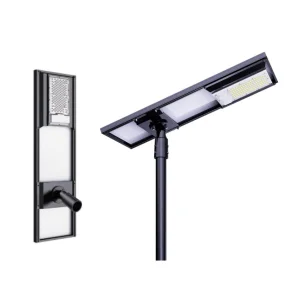
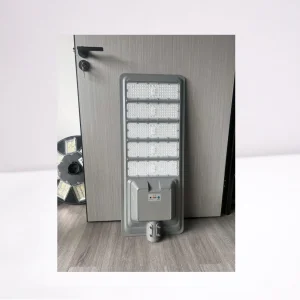
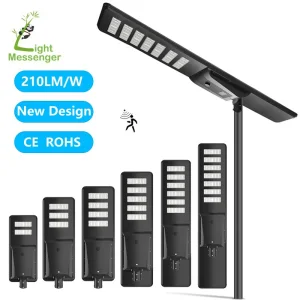
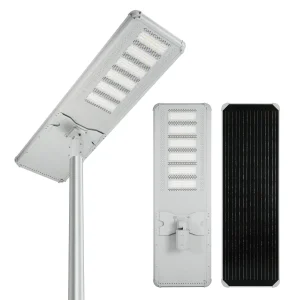
Connecting remote villages in the interior to the national grid is financially prohibitive. Standard-setting integrated solar streetlights with intelligent PIR motion sensors serve as autonomous grid nodes. They run at 30% ambient luminosity to conserve power, instantly ramping to 100% brightness upon detecting pedestrian or vehicle presence.
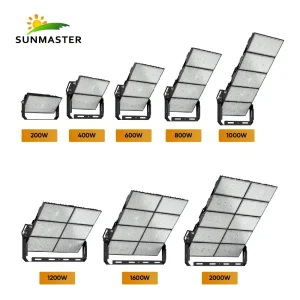
Equatorial Guinea's main economic driver is petroleum extraction. Refineries, storage yards, and logistics hubs require fail-safe security lighting. High-lumen, explosion-proof solar floodlights provide consistent perimeter illumination without requiring trenching or running high-voltage AC cables, drastically reducing hazardous sparks risk and installation costs.
Deploying commercial solar solutions in Equatorial Guinea requires deep supply chain alignment and stringent regulatory compliance. Importing components directly from China's primary high-tech lighting hubs provides a critical competitive edge in terms of scale, testing capabilities, and customization options.
As a member of the Economic and Monetary Community of Central Africa (CEMAC), Equatorial Guinea enforces standard quality benchmarks. Our production processes conform to international standards such as CE, RoHS, IP67, and ISO 9001, easing the customs clearance processes at the ports of Malabo and Bata. We compile full technical portfolios—including lighting simulation reports (DIALux) and battery safety MSDS certificates—to streamline import processing.
By sourcing from our advanced manufacturing facilities, distributors and engineering firms bypass multiple layers of middlemen. We utilize:
The solar lighting industry is transitioning from simple passive fixtures to integrated IoT-enabled smart nodes. For infrastructure projects in Equatorial Guinea, leveraging these modern advancements ensures high long-term efficiency:
Boray Light Co., Ltd. founded in 2014 and dedicated to LED lighting, is a leading manufacturer and exporter of high-quality LED strip lights, dedicated to providing innovative lighting solutions for a wide range of applications.
With years of expertise in the LED industry, we pride ourselves on delivering energy-efficient, durable, and versatile lighting products that meet the diverse needs of our global clients.
We provide linear LED lighting solutions for indoor and outdoor applications with high-quality LED strip lights, LED COB strip, LED neon and other LED lights.
Our factory consists of more than 50 employees, over 10 years specialized in LED strips area, all of whom are dedicated to providing excellent products and customer service, supporting our customers quickly with professional lighting solutions.
We currently focus on LED strip lights, COB strip, Neon strip, flexible pixel strips, LED rigid bars, high voltage LED strip and LED aluminum profile.
Most of products are widely used in Indoor & Residential Lighting, Outdoor & Recreational Lighting, Architectural Lighting, Commercial Lighting, etc. We deploy state-of-the-art SMT (Surface Mount Technology) Machines, LED Testing Equipment, Coating and Sealing Equipment, Assembly and Packaging Equipment, and comprehensive Quality Control Equipment to maintain industry-leading standards.
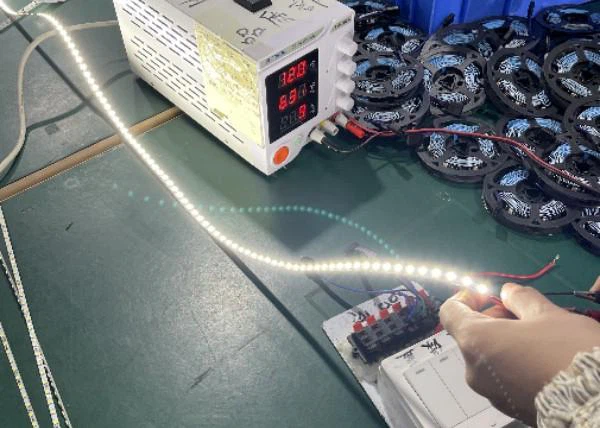

We have engineered and supplied premium lighting solutions for urban developments, commercial facilities, and municipal projects across Malabo, Bata, and coastal regions.

Malabo Municipal Plaza & Pathway Commercial Lighting Project
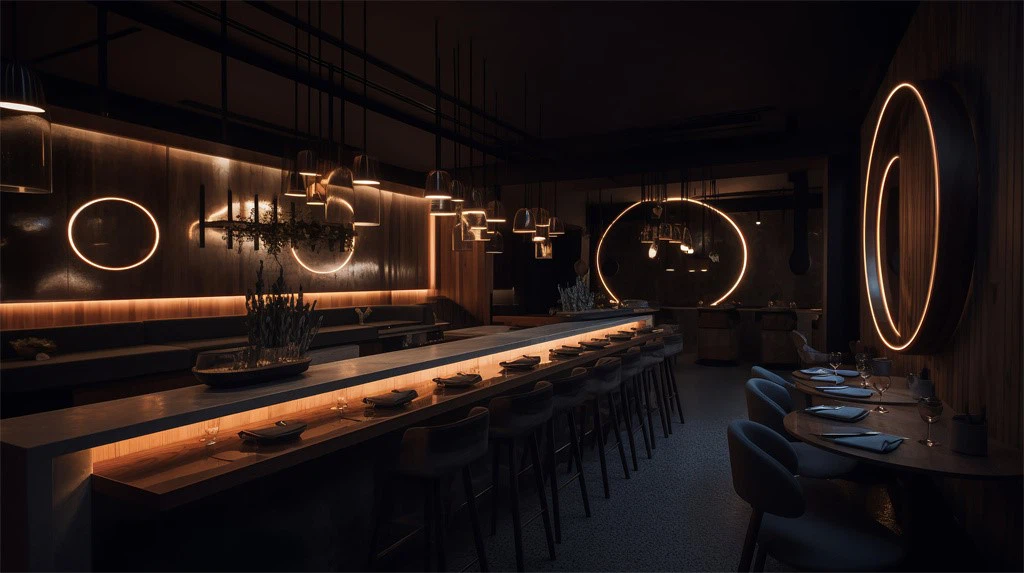
Bata Coastal Highway & Resort Waterproof Integration Project
Essential insights for engineering, importing, and maintaining solar lighting systems in Equatorial Guinea.
Engineered with robust thermal management and marine-grade protective coatings to guarantee operational continuity.
 Boray Light