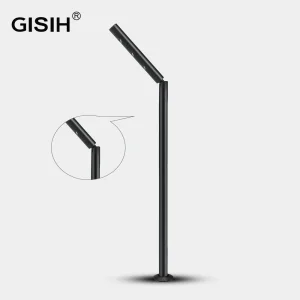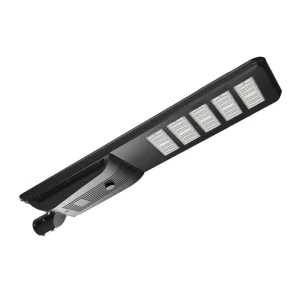
In the era of smart municipal construction, public illumination poles are no longer merely passive structures designed to suspend luminaires. Today, they serve as the crucial structural backbone for urban IoT integration, 5G small cells, environmental sensors, surveillance networks, and electric vehicle (EV) charging stations. Selecting the right street lighting pole manufacturer and exporter is a mission-critical decision for engineering, procurement, and construction (EPC) contractors, municipal developers, and national grid authorities.
This comprehensive industry whitepaper provides an in-depth comparative analysis of the world’s leading manufacturers and exporters of structural street lighting poles. We dive into structural design certifications, material grade variations (Q235 steel, ASTM A36, grade 6063-T6 aluminum), anti-corrosion hot-dip galvanization protocols, and how to optimize logistics when sourcing globally from top export hubs like China.
An authoritative ranking based on production capacity, material quality, compliance with global design standards (AASHTO / BS EN 40), and international export efficiency.
Global leader in engineered support structures. Widely recognized for advanced tapering techniques, crash-tested poles, and severe-duty wind load engineering. Ideal for large-scale North American and European highway infrastructure projects.
With historical dominance in steel and aluminum pole fabrication, Union Metal is famous for its Nostalgia series fluted poles as well as massive traffic mast arms complying strictly with AASHTO LTS standards.
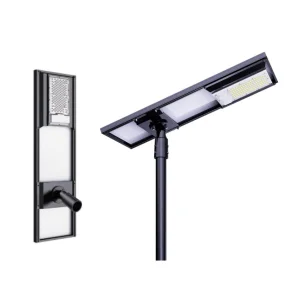
A major integrated infrastructure OEM exporting highly resilient galvanised steel conical/octagonal poles globally. Expertly integrates solar panels, camera brackets, and smart-city hardware into robust cost-effective solutions.
Europe's premiere manufacturer, utilizing prestressed concrete, steel, and fiber-reinforced plastics (FRP). Known for passive safety designs, eco-friendly structural processes, and complex multi-carrier utility columns.
A dominant force in South Asia and the Middle East, manufacturing high-mast poles, stadium floodlight columns, and smart poles using robotic plasma cutting and state-of-the-art galvanizing lines.
Specializing in heavy-gauge steel poles engineered to resist the extreme thermal fluctuations and marine salinity of coastal desert zones, using high-zinc marine epoxy coatings.
The industry benchmark for extruded aluminum poles. Exceptionally lightweight, 100% recyclable, and designed to crumple safely upon vehicular impact to minimize passenger trauma.
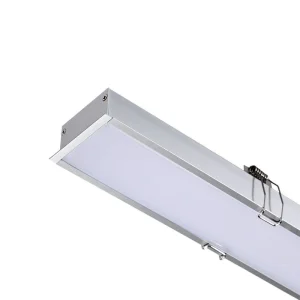
An innovative system integration partner offering advanced SMT LED fixtures, flexible strips, and high-voltage linear arrays engineered to slide seamlessly into modern smart-pole profiles.
Pioneered base-hinged lowering poles that allow safe, ground-level maintenance without scaffolding or cherry pickers. Celebrated throughout railway and sports lighting sectors.
To guarantee structural longevity, street lighting poles must be designed using strictly verified metallurgical grades. Wind shear stress, soil shifting, dynamic vibration, and atmospheric corrosion constantly challenge the structural integrity of outdoor columns.
| Pole Type / Material | Common Alloy Standard | Anti-Corrosion Finish | Ideal Environment |
|---|---|---|---|
| Conical Steel Pole | Q235 / Q345B Carbon Steel | Hot-Dip Galvanized (EN ISO 1461) | Highways, urban arterials, industrial roads |
| Octagonal Tapered Steel | ASTM A36 / ASTM A572 | HDG + Electrostatic Powder Coating | High wind-load zones, heavy coastal winds |
| Extruded Aluminum Pole | 6063-T6 / 6061-T6 Aluminum | Anodized or Powder Coating | Coastal roads, urban sidewalks, high-salinity zones |
| Smart Multipurpose Pole | Reinforced Structural Steel / Aluminum | Dual-layer Fluorocarbon Coating | Smart-city centers, pedestrian zones, shopping hubs |
Manufacturers targeting high-stakes government bids must demonstrate compliance with the following international design paradigms:
China remains the world's leading export hub for structural lighting poles due to its fully integrated raw material processing, automated rolling machinery, and robust global shipping networks. A modern Chinese factory utilizes automated longitudinal bending machines and robotic submerged arc welding (SAW) systems to guarantee structural uniformity.
Fully automated rolling machines taper plate steel into precise octagonal, round, or conical columns up to 14 meters long in a single pass, eliminating internal material fatigue.
Computer-controlled robotic welders execute flawless continuous seam welds, preventing atmospheric moisture ingress that can lead to internal oxidation.
Non-destructive ultrasonic testing (NDT) checks weld penetration, while magnetic particle inspections ensure base plates and bracket connections are structurally sound.
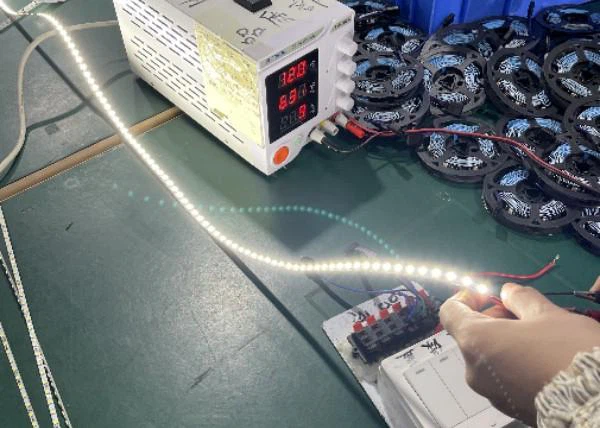
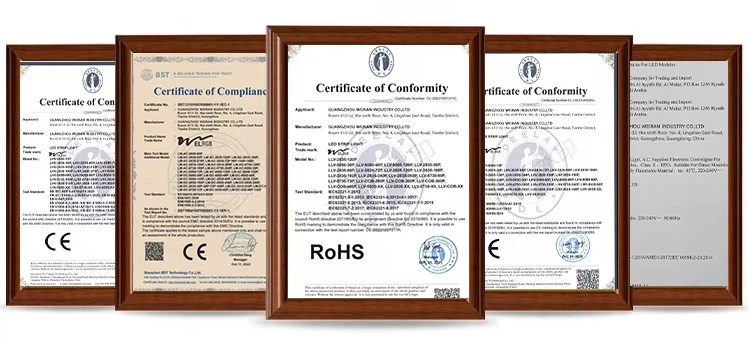
Boray Light Co., Ltd. and its structural partners operate certified ISO 9001, ISO 14001, and ISO 45001 facilities. Through meticulous SMT lines, advanced LED testing, and high-standard coating machinery, we integrate lighting elements with heavy-duty structural columns to deliver turn-key infrastructure systems.
Municipalities worldwide are upgrading legacy infrastructure to support multi-functional smart poles. These next-generation columns act as integrated nodes that carry:
Specially engineered internal cable trays and thermal ventilation grates support cellular operators' small cells, expanding coverage without cluttering the cityscape.
Heavy-duty base compartments house high-amp electrical safety relays, allowing curbside EV charging directly from the pole's main power feed.
Standardized mounting brackets and PoE cabling layouts enable simple integration of CCTV cameras, particulate-matter sensors, and emergency call buttons.
Exporting heavy steel components requires careful attention to shipping geometry and corrosion resistance during sea transit. Structural poles are tightly packed and secured with heavy-duty nylon slings to prevent damage to the galvanized protective layers.

Under normal inland atmospheric conditions, a pole galvanized to BS EN ISO 1461 standards (minimum zinc thickness of 85 microns) will last 30 to 50 years without maintenance. In harsh marine or coastal areas, the life expectancy ranges from 15 to 25 years before surface oxidation begins.
Octagonal poles offer high torsional strength at a lower material weight due to their multi-faceted profile. Conical poles, while more aesthetically pleasing and easier to clean, require slightly more specialized rolling processing, making them slightly more expensive.
Manufacturers calculate the Projected Area (EPA) of the luminaire and brackets, applying regional wind speed guidelines (AASHTO or BS EN 40). These equations verify that the pole's yield strength resists localized gusts without permanent structural deformation.
Yes, but standard poles lack the internal cabling conduit and base compartment volume needed for heavy equipment. For projects upgrading to 5G or EV charging, it is highly recommended to specify dedicated multi-chamber smart poles.
During hot-dip galvanizing, molten zinc flows inside the column via venting holes. This ensures that the interior walls receive the exact same protective zinc coating as the exterior.
Poles are bundled together using bubble wrap, burlap, or protective cardboard sleeves around the contact points, and then strapped together with steel bands to prevent friction damage inside shipping containers.

 Boray Light