Analyzing global market shifts, photopic-to-scotopic vision compliance, and performance metrics driving infrastructure investments.
In modern traffic infrastructure networks, tunnel lighting systems serve as critical safety components rather than mere architectural elements. Tunnels represent highly specialized, enclosed environments characterized by abrupt transitions in ambient illumination. Operating vehicles passing through these spaces are subject to severe physiological vision challenges, notably the "Black Hole Effect" during entry and the "White Hole Effect" during exit. To mitigate these risks, municipal planners, civil engineers, and industrial procurement officers require deeply engineered, high-performance LED luminaires capable of dynamic output adjustments.
The global tunnel lighting sector has rapidly transitioned away from legacy High-Pressure Sodium (HPS) and Metal Halide (MH) systems toward highly integrated LED architectures paired with intelligent management protocols (DALI-2, 0-10V, and Power Line Communication). According to recent infrastructure development indices, optimizing tunnel luminaire installations can reduce highway collision frequencies by up to 34% while simultaneously slashing operational energy requirements by more than 55%. This guide provides an authoritative analysis of the top manufacturing entities globally, technical evaluation standards, and future-ready technology roadmaps.
A rigorous market review of industry leaders based on engineering expertise, manufacturing capability, and global supply footprint.
Headquarters: Netherlands
Specialty: Interact City IoT integration, high-efficiency tunnel floodlighting, and advanced optic systems.
Signify dominates the global infrastructure landscape with its Philips-branded road and tunnel lighting portfolios. Their systems leverage advanced photometrics to maximize uniform lux distribution while reducing glare in fast-speed highway tunnels.
Headquarters: Belgium
Specialty: ATS (Advanced Tunnel System) control software, customized counter-beam lighting arrays.
Schréder is globally recognized for pioneering intelligent tunnel solutions. Their specialized optical arrays ensure optimal luminance levels at critical entry zones, neutralizing the visual transition shocks experienced by drivers.
Headquarters: China
Specialty: Flexible linear LED systems, high-durability COB/Neon strips, and custom industrial aluminum profiles.
Founded in 2014, Boray Light excels in delivering robust, high-performance linear lighting products. Offering custom SMT integration and advanced IP-rated enclosures, they support structural designers worldwide with reliable architectural, linear, and auxiliary tunnel systems.
Headquarters: Austria
Specialty: High-performance transit luminaires, corrosion-resistant housings for underground railways.
Zumtobel provides high-durability systems designed to withstand the harsh microclimates inside underground transit tubes, prioritizing structural resilience and minimal lifetime maintenance costs.
Headquarters: United Kingdom
Specialty: Cost-effective highway tunnel luminaires with adaptive smart dimming integration.
Part of the Zumtobel Group, Thorn specializes in high-volume, reliable fixtures engineered for long-distance sub-surface routes and regional road underpasses.
Headquarters: United States
Specialty: Extreme-durability structural luminaires, IK10 impact protection, and marine-grade components.
Kenall stands out in the North American market for producing high-integrity fixtures that withstand intense physical impacts, power surges, and severe environmental vibration.
Headquarters: Sweden
Specialty: Eco-efficient Nordic design, smart connectivity, and low-glare safety optics.
Fagerhult focuses on energy minimization and ergonomic optical engineering, delivering comfortable visual fields that match the strict safety requirements of European highway networks.
Headquarters: Italy
Specialty: High-output LED floodlights and robust thermal management systems.
Disano combines classic Italian engineering with modern LED technology to offer high-efficiency solutions optimized for heavy traffic corridors and complex underpasses.
Headquarters: Italy
Specialty: Premium highway optical systems and die-cast aluminum heat management modules.
AEC is renowned for its premium highway and tunnel lighting series. By utilizing advanced thermal modeling, they consistently secure extended operational lifespans under high-vibration conditions.
Headquarters: United States
Specialty: Industrial-grade floodlights, hazard-matched fixtures, and robust solid-state designs.
Hubbell delivers versatile, rugged industrial and infrastructure lighting systems. Designed to operate reliably in highly corrosive and humid subterranean conditions, their products ensure uninterrupted transit operation and low lifecycle overheads.
Boray Light Co., Ltd., founded in 2014 and dedicated to LED lighting, is a leading manufacturer and exporter of high-quality LED strip lights, dedicated to providing innovative lighting solutions for a wide range of applications.
With years of expertise in the LED industry, we pride ourselves on delivering energy-efficient, durable, and versatile lighting products that meet the diverse needs of our global clients. We provide linear LED lighting solutions for indoor and outdoor applications with high-quality LED strip lights, LED COB strip, LED neon and other LED lights.
Our manufacturing facility features advanced SMT (Surface Mount Technology) lines, specialized encapsulation systems, and precise testing chambers. This enables us to maintain strict quality standards, ensuring our products stand up to challenging environments like damp underpasses and structural recesses.
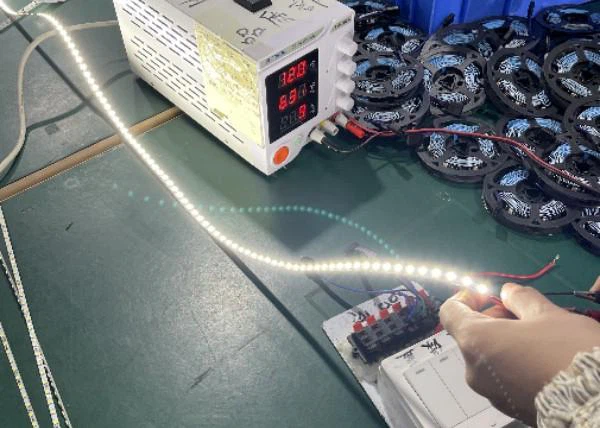
A closer look at our specialized manufacturing processes, testing protocols, and compliance credentials.
Our factory consists of more than 50 employees, with over 10 years of specialization in the LED strips sector. All team members are dedicated to providing excellent products and customer service, quickly supporting our clients with professional lighting solutions.
We currently focus on LED strip lights, COB strips, Neon strips, flexible pixel strips, LED rigid bars, high voltage LED strips, and LED aluminum profiles. Most of these products are widely used in Indoor & Residential Lighting, Outdoor & Recreational Lighting, Architectural Lighting, and Commercial Lighting.
Our factory is equipped with high-precision SMT (Surface Mount Technology) Machines, advanced LED Testing Equipment, Coating and Sealing Equipment, Assembly and Packaging Equipment, and comprehensive Quality Control inspection gear.
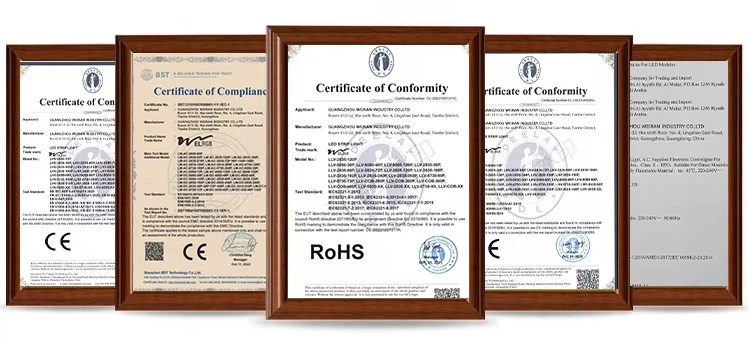
A breakdown of the critical parameters engineering firms must specify during the request for proposal (RFP) stage.
Procuring tunnel lighting systems involves navigating complex regulations and strict performance metrics. To help engineering consultants and municipal planners write detailed RFPs, we have outlined the core technical requirements below:
Fixtures must be rated to at least IP66 (preferably IP68) to withstand routine high-pressure spray cleaning and prolonged exposure to vehicle exhaust moisture. Physical durability must meet the IK10 rating to resist mechanical impacts and structural vibrations from passing heavy trucks.
Subterranean spaces often trap high levels of ambient heat. Procurement specifications should require die-cast aluminum alloys (such as ADC12) along with passive heat fins to maintain junction temperatures below 75°C. This protection helps preserve the L80B10 operating lifetime past 100,000 hours.
Optical arrays must use custom beam distributions (such as counter-beam or symmetrical configurations) to limit the Unified Glare Rating (UGR) to below 22. In addition, using high color rendering index (CRI > 80) and steady-state LED drivers with minimal ripple current ensures flicker-free visual comfort for drivers.
How the integration of IoT sensors, LiFi, and adaptive dimming networks is defining the next generation of infrastructure.
The industry is moving quickly beyond simple static schedules toward highly responsive, smart networks. Today's smart tunnel lighting architectures use real-time data from external photometers to dynamically match internal entrance illumination with outside daylight. This direct, real-time adaptation helps prevent the visual shock drivers experience when entering or exiting tunnels.
Looking ahead, future systems will integrate LiFi (Light Fidelity) for vehicle-to-infrastructure (V2I) communication, alongside built-in air quality sensors and automated thermal run-back protection. As urban centers transition into fully connected smart cities, tunnels will function as key data corridors. In these spaces, lighting fixtures will serve dual roles as both illumination sources and local sensors, tracking traffic density, detecting carbon monoxide levels, and providing emergency guidance signs.
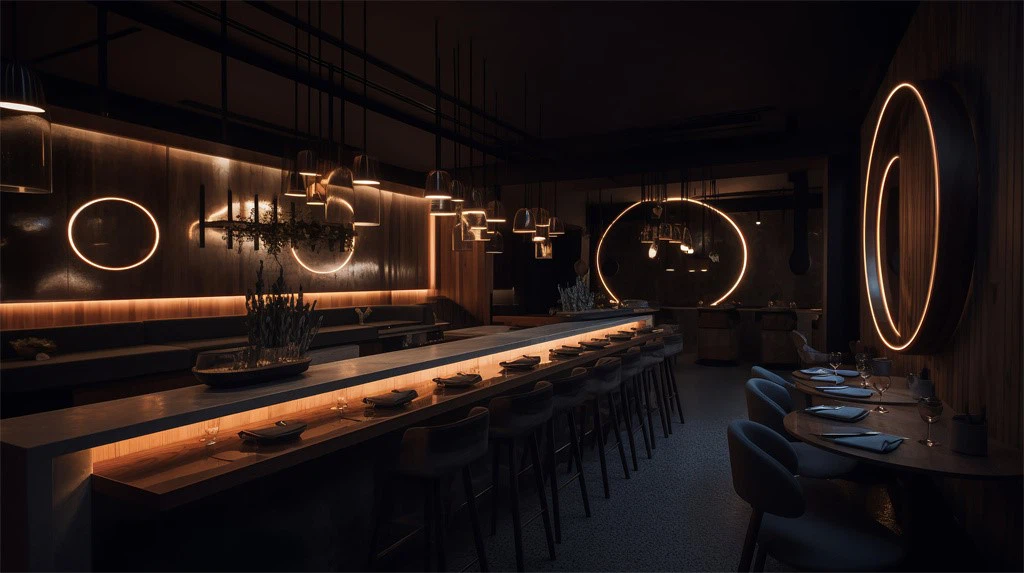
Project Site Overview - Architectural Integration
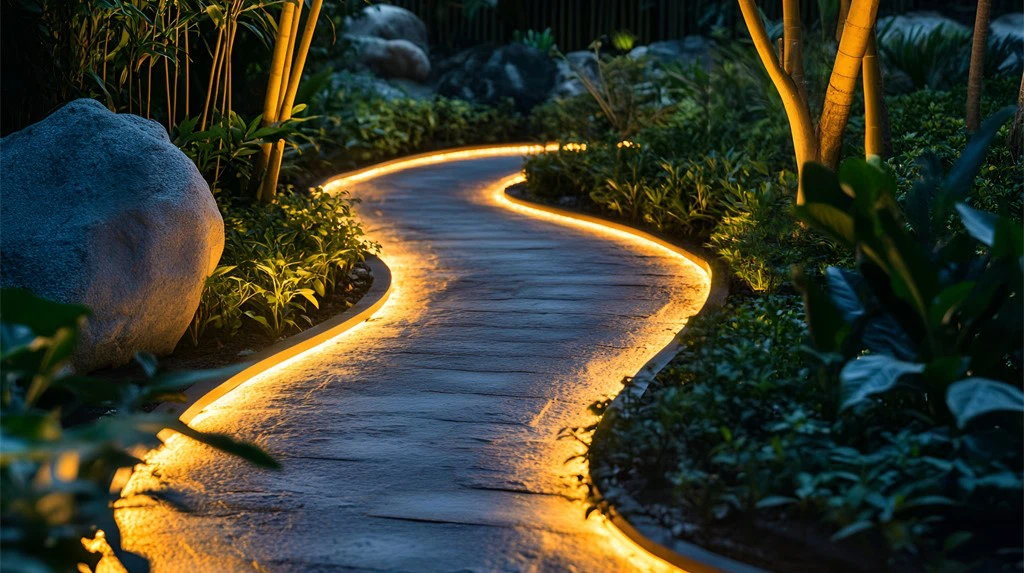
Linear Guidance & Safety Pathway Lighting
Ensuring regional safety compliance and prompt technical engineering support across different continents.
Large-scale infrastructure projects require suppliers to offer comprehensive engineering support and meet regional regulatory codes. Leading manufacturers must provide detailed Dialux simulations to confirm target lux levels and check glare calculations before any physical equipment is shipped.
Answering common questions on technical specs, layout planning, and maintenance for infrastructure lighting systems.
 Boray Light