Choosing efficient lighting is not just about buying the bulb with the lowest wattage. Brightness, color, fixture compatibility, and daily use all affect whether a choice works well at home. A bulb that looks suitable on its package may feel too cool in a bedroom or too dim above a kitchen counter. Small details matter.
This guide explains How To Choose Energy Efficient Lighting by focusing on practical checks: compare lumens for brightness, review watts for energy use, and select a color temperature that suits the room. Check whether the bulb fits your fixture and works with existing dimmers. Look for reliable product information and recognized efficiency certifications, such as ENERGY STAR where applicable. A hallway light used briefly has different needs from a lamp that stays on for hours. It is easy to focus on the bulb’s purchase price and overlook its expected lifespan or operating cost. That is a common mistake, though the most efficient option is not always the best fit for every space. Not always. Consider how the light feels after dark, too. A quick test can reveal what a label cannot. With a few careful comparisons, you can reduce wasted energy while keeping rooms comfortable and useful.
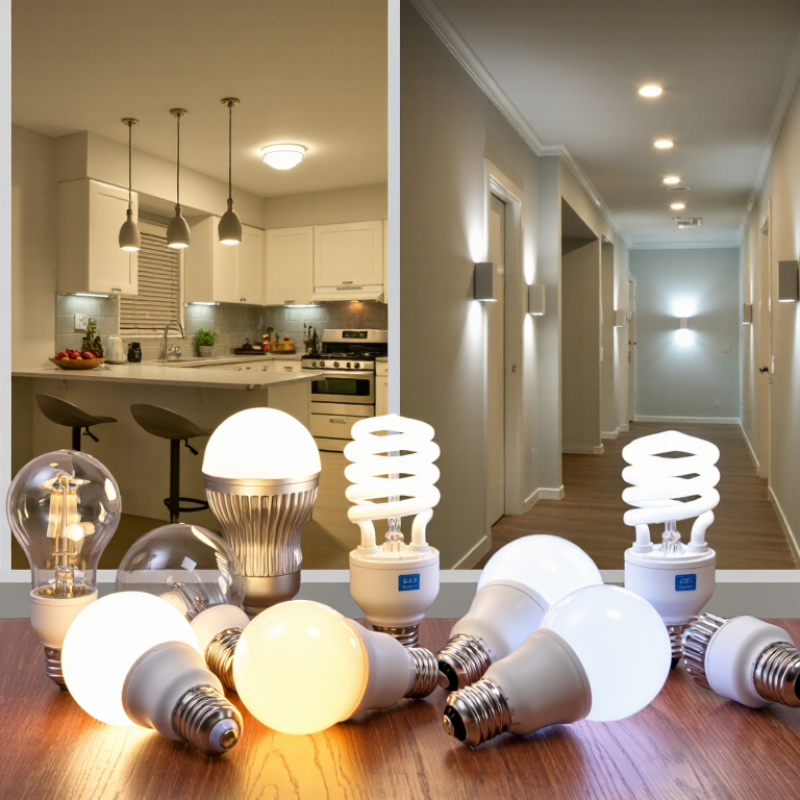
Lighting needs change from room to room. A bright kitchen counter needs clear, focused light for chopping and reading recipes. A bedroom usually feels better with softer, warmer light near the bed. Light needs differ. Before shopping, note what each area is used for and where shadows fall. A small lamp beside a chair may need less output than a ceiling fixture covering the whole room.
Compare lumens, not watts. Lumens describe how much visible light a bulb produces; watts measure how much electricity it uses. For example, two bulbs may provide similar lumens while drawing different amounts of power. Check the package for both figures, then compare lumens per watt to judge efficiency. Also consider color temperature: a warmer tone can suit a relaxing corner, while a cooler tone may help task areas feel crisp. I sometimes focus too much on the numbers and forget the room’s surfaces. Dark walls and shaded corners can make a space feel dimmer, even with a suitable bulb. Test one light in the actual fixture before replacing several; the result may not match the aisle display.
| Room or Area | Typical Lighting Need | Suggested Light Output | Approximate Combined LED Power | Useful Color Temperature | Practical Tip |
|---|---|---|---|---|---|
| Living room | General ambient lighting for relaxing and conversation | 1,000–2,000 lumens total | About 10–25 watts | 2,700–3,000 K | Use several lamps or fixtures so light is spread evenly; add a separate brighter light for reading. |
| Bedroom | Soft general lighting, with brighter light available for reading or dressing | 1,000–2,000 lumens total | About 10–25 watts | 2,700–3,000 K | Choose dimmable lighting where compatible, and use focused bedside lights for reading. |
| Kitchen | General ceiling lighting | 3,000–4,000 lumens total | About 30–50 watts | 3,000–4,000 K | Plan ambient light separately from countertop task lighting to reduce shadows on work surfaces. |
| Kitchen countertop | Focused task lighting for food preparation | About 400–800 lumens per work area | About 4–10 watts per work area | 3,000–4,000 K | Position under-cabinet or other task lights toward the counter, rather than behind the person working. |
| Bathroom | General lighting plus clear light around the mirror | 2,000–4,000 lumens total | About 20–50 watts | 3,000–4,000 K | Use fixtures rated for the relevant damp or wet location, and place mirror lighting to limit facial shadows. |
| Dining area | Comfortable ambient light, often centered over the table | 1,500–3,000 lumens total | About 15–38 watts | 2,700–3,000 K | A dimmer can help adjust the light level for meals and other activities, if the bulbs and control are compatible. |
| Hallway or entry | Even general light for safe movement | 500–1,000 lumens total | About 5–13 watts | 2,700–3,500 K | Use more than one fixture in a long hallway if needed to avoid dark gaps. |
| Home office or desk | General room lighting plus focused desk lighting | About 500–1,000 lumens for the task light | About 5–13 watts for the task light | 3,000–4,000 K | Angle the task light to illuminate work without creating glare on screens. |
Note: These are general planning ranges, not fixed requirements. Actual needs depend on room size, ceiling height, wall colors, fixture design, and personal preference. Approximate LED wattage assumes a light output of about 80–100 lumens per watt. Compare lumens to choose brightness; watts measure energy use.
Some certified LED bulbs use up to 90% less energy than incandescent bulbs. That is a maximum, not a promise for every home.
An LED using about 9 watts can provide similar brightness. Compare lumens, not wattage alone.
No. Check brightness, color temperature, dimmer compatibility, and expected lifetime. Small details matter.
It can help colors look more natural. At a kitchen counter, food may look easier to judge.
No. A bulb may flicker, buzz, or switch off with an incompatible control. Check both compatibility details and the dimmer’s LED load range.
Test the lowest setting you expect to use. If possible, try the bulb in your fixture before buying.
Not always. Flicker or buzzing may appear after the bulb warms up or when several fixtures share one dimmer.
No. LEDs can last up to 25 times longer than incandescent bulbs, but actual performance can vary. I’d still read the fine print.
How To Choose Energy Efficient Lighting starts with matching each room’s lighting to its purpose. Compare bulbs by lumens, which indicate brightness, rather than watts, which measure energy use. Look for recognized efficiency certifications, and consider LED bulbs, which can use up to 90% less energy than traditional options. Choose a color temperature suited to the task: warmer light around 2700 K can create a relaxed feel, while cooler light up to 5000 K may work well for focused activities.
Also check the color rendering index (CRI); a rating of 80 or higher can help colors appear more natural. Before buying, confirm that the bulbs are compatible with your dimmer switches and fixtures. Finally, compare lifetime costs, including purchase price, energy use, and replacement frequency. LEDs can last up to 25 times longer than some traditional bulbs, making them a practical choice for reducing both energy use and long-term expenses.

 Boray Light