In today’s world, many spaces are hindered by inadequate lighting. Dark rooms can feel cramped and unwelcoming. Finding the right *Lighting Solutions For Dark Rooms* is essential to enhance these areas. Proper illumination not only brightens a space but can also affect mood and productivity.
Understanding lighting options is crucial. There are various types to consider, including ambient, task, and accent lighting. Each serves a unique purpose. However, one must reflect on the layout of the room and personal preferences. Some may prefer softer lighting, while others might seek brightness. The challenge lies in striking a balance.
Incorporating the right lighting elements can transform darker spaces. Choosing the ideal fixtures can create warmth and depth. Yet, relying solely on artificial sources may not always yield the desired effect. Natural light should also be considered, where possible. Evaluating various options ensures an inviting atmosphere that fosters comfort and functionality.
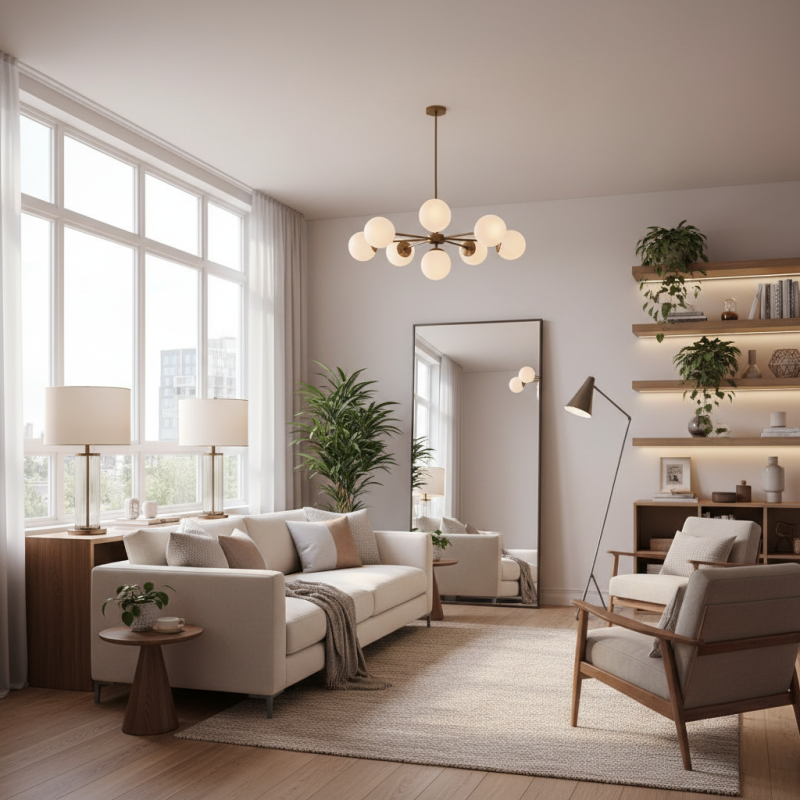
Lighting plays a crucial role in shaping the ambiance of any room, especially in dark spaces. Studies show that well-lit environments can enhance mood and productivity by up to 20%. In dark rooms, the right lighting can create a comfortable atmosphere and improve functionality. Natural light is ideal, but for rooms lacking windows, artificial options become vital.
Soft, warm lighting minimizes harsh shadows and enhances comfort. Floor lamps and wall sconces can illuminate corners effectively, while LED bulbs offer energy efficiency. A report by the American Society of Interior Designers noted that over 65% of people feel more relaxed in well-lit areas. Incorporating a mix of light sources can avoid monotony and facilitate transitions from work to leisure.
Over-reliance on a single light source can lead to glaring issues. This can create uneven lighting, causing eye strain. The key is balance. Experiment with different placements and types to find what works. Sometimes, the most thoughtful designs emerge from reflecting on imperfections. Knowing which areas need more light is part of enhancing the overall experience.
When it comes to illuminating dark rooms, exploring both artificial and natural lighting sources is essential. Natural light is often the most effective choice. Studies show that natural light can increase mood and enhance focus. For instance, exposure to daylight can boost serotonin levels by 20%. This can lead to increased productivity in home offices or creative spaces.
Artificial lighting offers flexibility but lacks some benefits of natural light. LED bulbs are popular for their energy efficiency and longevity. They use up to 75% less energy compared to traditional incandescent bulbs. Yet, improper placement of artificial light can lead to harsh shadows and glare, making spaces feel less inviting. It’s crucial to mix ambient, task, and accent lighting. This combination can create a warm atmosphere and minimize harshness.
Reflecting on lighting choices, one must consider how lighting affects daily life. Poor lighting can contribute to fatigue and decreased motivation. In contrast, optimal lighting can enhance the beauty of a room. Using layered lighting techniques often brings a space to life. Experimenting with both sources allows for a balanced environment that can change with the seasons.
Choosing the right lighting for dark spaces requires careful consideration. Brightness is crucial. Studies show that a well-lit room can improve mood by up to 25%. So, aim for light levels of at least 300-500 lumens in dark areas. Mix light sources like ambient, task, and accent lighting to create depth and warmth.
Color temperature plays a vital role. Warm lights (2700K-3000K) can make a room feel cozy. Cooler lights (4000K-5000K) tend to enhance focus and productivity. Reflective surfaces, like mirrors, can also amplify light. Strategic placement of these can double perceived brightness.
Don’t ignore dimmers. They offer versatility for different activities. Yet, too much brightness can cause glare. Balance is key. Research indicates that excessive brightness might lead to discomfort. Therefore, testing various lighting options in your space is essential. Finding the right balance helps create a functional and inviting atmosphere.
Dark rooms can benefit greatly from innovative lighting solutions. LED technology plays a pivotal role in transforming these spaces. According to a report by the U.S. Department of Energy, LED lights use about 75% less energy than traditional incandescent bulbs. This efficiency allows for longer usage while reducing energy costs.
Smart lighting systems introduce flexibility. Homeowners can control brightness and color through smartphone apps or voice commands. A survey by Statista revealed that 32% of U.S. households now utilize smart lighting. This shift not only enhances convenience but also promotes energy conservation.
However, the challenge remains to find the right balance between functionality and atmosphere. Too much brightness can feel harsh, while too dim settings can lead to eye strain. It's essential to experiment with different levels of lighting. Testing various types of bulbs and configurations can lead to a personalized, inviting environment. Adjusting these settings as needed is key to optimizing any dark room.
Creating a well-lit space in a dark room can transform the atmosphere significantly. Start by layering your lighting. Combine ambient, task, and accent lights. This not only brightens the area but also adds depth. Task lights are essential for workspaces. Place them where you need to focus. Ambient light creates a warm foundation, while accent lights highlight architectural features.
Consider the arrangement carefully. Position lights at various heights for a dynamic look. Floor lamps can introduce a cozy feel, while wall sconces can brighten up corners. Dimmer switches can adjust mood levels. They allow you to change brightness according to different activities. This versatility can enhance comfort and functionality.
Sometimes, it’s easy to overlook corners. These areas can remain shadowy and uninviting. Be mindful of those spots by adding LED strips or small uplights. Reflective surfaces also play a crucial role. A few strategically placed mirrors can amplify light. They distribute brightness, making the room feel larger. Experimentation is key. Each room is unique and demands attention to detail.
: Lighting shapes ambiance and can improve mood and productivity by up to 20% in dark spaces.
Use a mix of ambient, task, and accent lighting to create warmth and depth.
Aim for light levels of at least 300-500 lumens to enhance mood effectively.
Warmer lights make spaces cozier, while cooler lights enhance focus and productivity.
Experiment with different heights and locations to avoid shadows and enhance brightness.
Dimmers allow you to adjust brightness for various activities, enhancing comfort and functionality.
Add LED strips or small uplights to illuminate shadowy areas.
Yes, reflective surfaces can amplify light, making spaces feel larger and brighter.
Over-reliance on one light source can cause glare and eye strain. Balance is essential.
Each room is unique, so testing various options is key to finding the best setup.
Effective Lighting Solutions for Dark Rooms are crucial for enhancing both aesthetics and functionality in any space. Understanding the role of lighting helps transform gloomy areas into vibrant environments. There are two primary categories of lighting sources: artificial and natural. Each offers unique benefits and should be chosen based on the specific needs of the room.
When selecting lighting solutions for dark rooms, consider key features such as brightness, energy efficiency, and the ability to create the desired ambiance. Innovative options, including LED technology and smart lighting systems, provide versatility and control. Additionally, strategic arrangement of lights can significantly maximize brightness and enhance the overall atmosphere. By following these guidelines, anyone can successfully brighten their dark spaces and improve their living experience.
Boray Light