When renovating a space, lighting plays a crucial role. According to the American Lighting Association, effective lighting can boost mood and enhance productivity. It has also been reported that well-planned lighting increases property value by up to 20%. These statistics highlight the importance of thoughtful illumination in any renovation project.
Implementing the right Lighting Planning Tips For Renovations can transform dull spaces into inviting environments. Consider how natural light interacts with your design. Utilizing layered lighting techniques can create depth and atmosphere. However, it is easy to overlook the importance of functionality. Poorly placed fixtures can lead to harsh shadows or over-bright spaces, impacting the overall feel.
Many homeowners focus primarily on aesthetics, forgetting about energy efficiency. According to the U.S. Department of Energy, LED lighting can reduce energy consumption by 75%. These insights suggest that marrying beauty with practicality is essential for a successful renovation. Reflecting on personal experiences and industry reports can pave the way for informed decisions.
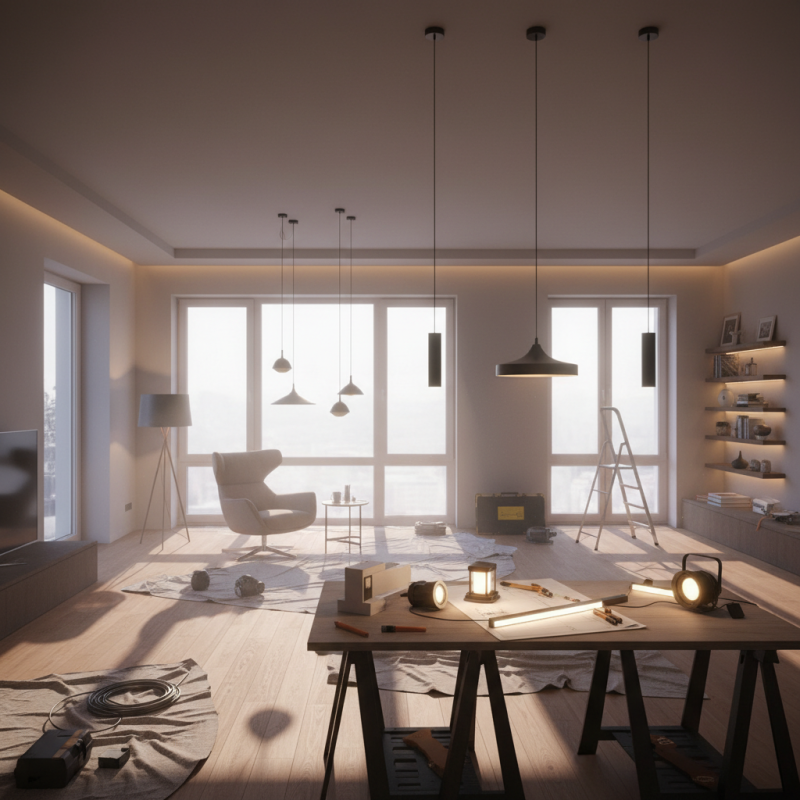
Lighting plays a crucial role in any renovation project. It affects mood, functionality, and aesthetics. Proper lighting can enhance a space, making it feel larger or cozier. Understanding different types of lighting is essential. Ambient, task, and accent lighting all serve unique purposes.
In poorly lit rooms, colors can appear dull. Shadows may hide design flaws. Choosing the right fixtures can be overwhelming. Warm tones make spaces inviting. Cool tones can energize a room. Natural light is a vital element frequently overlooked. It can drastically change how a space feels throughout the day.
Consider how light interacts with architecture. Ceiling height can influence lighting design. Low ceilings may benefit from flush mounts. High ceilings allow for decorative chandeliers. Lighting placement matters too. Overhead lights can create unwanted shadows. Wall sconces add warmth and charm. Reflection and contrast create interest. Experimenting with different layouts can lead to surprising results. Reflect on what works best for your vision.
When renovating a space, assessing the area and identifying its lighting needs is crucial. Studies show that well-planned lighting contributes to 20% of a room's ambiance. Start by evaluating the size and shape of each room. Different areas may require varied lighting solutions. For instance, a kitchen benefits from bright task lighting, while a living room may need softer, ambient light.
Consider the function of each space. A home office needs adequate illumination for productivity. It’s essential to determine the brightest spots in your area. This helps optimize the placement of fixtures, reducing shadows and glare.
Tip: Utilize layered lighting to enhance flexibility. Combine ambient, task, and accent lights. Such diversity creates a dynamically styled environment. Remember, lighting also impacts mood. A study published by the American Psychological Association highlights that natural light can improve well-being. Aim to incorporate as much daylight as possible.
Be mindful that not every light source will fit your design. Sometimes, fixtures may seem perfect but can disrupt a room's flow or aesthetic. Experimenting with different layouts and styles may lead to unexpected results.
Lighting plays a crucial role in any renovation project. Selecting the right fixtures affects both aesthetics and functionality. Begin by identifying the purpose of each space. Is it a cozy reading nook or a vibrant kitchen? The type of light should reflect this. Task lighting is essential in work areas, while ambient lighting creates a warm atmosphere.
Consider the style of your home. Fixtures should complement existing decor. For example, a modern pendant may look out of place in a classic setting. Mixing styles can produce an eclectic vibe but can also lead to visual chaos. Pay attention to scale and proportion. A large chandelier in a small room can overwhelm, while tiny lights in a spacious area may feel lost.
Don't overlook energy efficiency. LED options come in various styles and colors. They can save money in the long run and reduce your carbon footprint. Experiment with brightness and color temperature. Warm tones create intimacy, while cool tones offer a more energetic feel. Be aware that too much light can be as problematic as too little. Reflect on your choices, and adjust as necessary for the best results.
When planning your renovation, layered lighting is key. It enhances flexibility and sets the mood. Start with ambient lighting, which provides overall illumination. Think of ceiling fixtures or wall sconces that create a soft, inviting glow. This foundational layer is crucial for functional spaces.
Next, incorporate task lighting for specific activities. Under-cabinet lights in the kitchen illuminate countertops, making cooking easier. Desk lamps can enhance study areas, offering focused light. These elements can be adjusted or turned off when not in use, adding versatility to your space.
Finally, accent lighting brings character. Highlights artwork or architectural details. Use spotlights or decorative fixtures to draw the eye. Reflect on how these layers interact. Consider dimmer switches to modify ambiance as needed. This approach allows you to adapt lighting to different occasions and personal preferences. Each layer creates a unique atmosphere and invites exploration in your renovated home.
| Tip Number | Lighting Technique | Description | Benefits |
|---|---|---|---|
| 1 | Ambient Lighting | Provides overall lighting for the room. | Creates a comfortable atmosphere. |
| 2 | Task Lighting | Focused lighting for specific tasks. | Improves visibility and efficiency. |
| 3 | Accent Lighting | Highlights decor or architectural features. | Adds depth and visual interest. |
| 4 | Layering Lighting | Combining different types of lighting. | Provides flexibility and control over brightness. |
| 5 | Dimmers | Controls the brightness of lights. | Enhances mood and saves energy. |
| 6 | Smart Lighting | Automated and controllable via apps. | Convenient and customizable. |
| 7 | Natural Light | Utilizes windows and skylights. | Reduces energy use and enhances well-being. |
| 8 | Color Temperature | Choose warm or cool lights based on mood. | Sets the atmosphere of the space. |
| 9 | Light Placement | Strategic positioning of light sources. | Minimizes shadows and enhances functionality. |
| 10 | Energy Efficiency | Use LED or energy-saving bulbs. | Reduces costs and environmental impact. |
When renovating your space, energy efficiency is crucial. Opt for LED lighting to reduce your energy consumption. These bulbs use significantly less energy than traditional options. They also last longer, so you won't be changing them as often. This means fewer trips to the store and less waste in landfills.
Smart lighting options are becoming increasingly popular. They allow you to control the brightness and color from your phone or voice. This technology can adjust based on natural light throughout the day. However, it's essential to ensure that the technology fits your lifestyle. Not everyone needs or wants smart features, and this can lead to confusion.
Consider using dimmers and timers for added control. This way, you can enhance ambiance and save energy as well. It’s important to plan your layout and lighting layers. Think about how different rooms will be used. For instance, brighter lights may be necessary in a home office, while softer lighting works better in a bedroom. This way, you will create a space that meets your practical needs while being energy-conscious.
: Lighting affects mood, functionality, and aesthetics in any space. It enhances overall design.
The main types are ambient, task, and accent lighting, each serving a unique purpose.
Natural light changes how a space feels, making it brighter and more inviting throughout the day.
Consider ceiling height and potential shadows. Adjust placement to enhance design features effectively.
Identify the space's purpose and ensure fixtures match your home's style and scale without overwhelming it.
Energy-efficient options like LEDs save money and lower your carbon footprint while offering diverse styles.
Yes. Over-lighting can disrupt the ambiance, so balance and adjust brightness as needed.
Warm tones create intimacy. Cool tones can energize a room, influencing the overall mood.
Mixing styles can create an eclectic vibe, but it may also lead to visual chaos if not done carefully.
Try different arrangements to see what works best. Reflect on the results and adjust for your vision.
When planning a renovation project, understanding the significance of lighting is crucial. Effective lighting can enhance the functionality and aesthetics of any space, making it essential to assess the area and identify specific lighting needs. One of the key Lighting Planning Tips for Renovations is to select fixtures that not only complement the design but also serve practical purposes.
Incorporating layered lighting techniques can provide flexibility and create ambiance, allowing for different lighting scenarios. Additionally, considering energy efficiency and the integration of smart lighting options helps to reduce costs and enhance convenience. By following these tips, renovators can achieve a well-lit environment that balances beauty and functionality, ultimately transforming their space.

Boray Light