10 Tips on How to Choose Energy Efficient Lighting?

Time:2026-04-29 Author:Aria
0%

Choosing the right lighting is essential for any space. Good lighting can enhance mood and productivity. However, not all lights are created equal. Many people struggle with "How To Choose Energy Efficient Lighting." Understanding the options available can seem overwhelming.

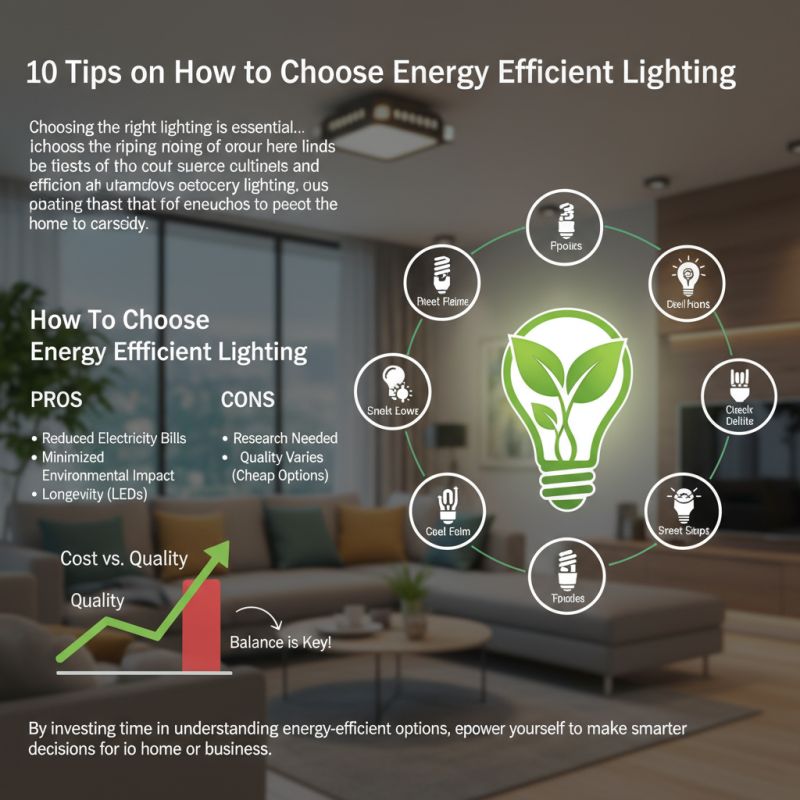
Energy-efficient lighting not only reduces electricity bills but also minimizes environmental impact. LED lights are a popular choice due to their longevity and low energy use. However, customer reviews may reveal that some cheap options do not last as long as expected. It's essential to research products before making any purchase.

Balancing cost and quality is key. Sometimes, the least expensive option leads to frequent replacements. This defeats the purpose of saving energy and money. Learning how to navigate these choices can turn lighting from a mundane task into an opportunity for improvement. By investing time in understanding energy-efficient options, you empower yourself to make smarter decisions for your home or business.
10 Tips on How to Choose Energy Efficient Lighting?

Understanding the Importance of Energy Efficient Lighting

Energy efficient lighting is crucial for both environmental sustainability and economic savings. Choosing the right lighting reduces energy consumption and lowers utility bills. It also minimizes carbon footprints, contributing to a healthier planet.

When selecting lighting, consider types of bulbs. LED lights are commonly recommended for their longevity and low energy use. They last significantly longer than traditional bulbs. Compact fluorescents are another option, but they contain small amounts of mercury, raising disposal concerns.

Think about the brightness and color of the light. Look for bulbs with a suitable lumens rating. The right color temperature can affect mood and productivity. Warmer tones create a cozy environment, while cooler tones enhance focus. Don't rush this decision; take time to compare features. The right choice makes a difference in both comfort and costs.

Energy Efficient Lighting Comparison

This chart illustrates the energy consumption (in watts) of various types of lighting, including LED bulbs, CFL bulbs, incandescent bulbs, and halogen bulbs. As shown, LED bulbs are the most energy-efficient option, consuming only 10 watts, while incandescent bulbs consume the most at 60 watts.

Types of Energy Efficient Lighting Options Available

When choosing energy-efficient lighting, several types can fit different needs. LED bulbs are among the top choices. They last longer and consume less power compared to traditional bulbs. They emit bright, clear light, making them ideal for both indoor and outdoor use. Their versatility allows for various designs, fitting in any fixture.

CFLs, or CFLs, are another option. Though less popular than LEDs now, they still offer significant energy savings. CFLs take time to warm up, which can be frustrating. However, they are suitable for areas where lights are on longer.

Incandescent bulbs have come a long way. Some now feature energy-efficient designs that use less electricity. Their warmth is appealing, though they still consume more power than newer options. Finding the right balance for your space takes time and experimentation. Consider factors like brightness, color temperature, and fixture compatibility as you explore your options.

Evaluating the Brightness and Color Temperature of Lighting

When selecting energy-efficient lighting, evaluating brightness and color temperature is crucial. Brightness, measured in lumens, determines how well a space is illuminated. A dim room can feel cramped. Ideally, living areas require about 1,500 to 3,000 lumens. Adjust the brightness based on the room's purpose. Sometimes, you may end up with too few lumens, which can lead to eye strain.

Color temperature, expressed in Kelvin, influences the mood. Warmer tones, around 2700K to 3000K, create a cozy atmosphere. Cooler tones, over 4000K, promote alertness. Mixing these can yield varied effects. For instance, brighter light in kitchens and softer hues in lounges works well. However, you might find that personal preference makes you reconsider a choice that seemed perfect.

Here are a few tips:
1. Test before you buy.
2. Look for LED options; they last longer.
3. Consider dimmable lights for flexibility.

Your lighting choice can impact your energy bills, design, and comfort. Reflect on how different setups affect your daily life and productivity. Each small detail contributes to a larger picture.

10 Tips on How to Choose Energy Efficient Lighting? - Evaluating the Brightness and Color Temperature of Lighting

Tip Number Tip Description Brightness (Lumens) Color Temperature (Kelvin) Energy Efficiency Rating
1 Choose LED bulbs 800 3000 A+
2 Consider the intended use 600 4000 A+
3 Check lumen output 1000 2700 A++
4 Match color temperature to room 900 5000 A+
5 Look for the ENERGY STAR label 800 3000 A++
6 Consider additional lighting controls 750 3500 A+
7 Assess the environment 1200 5000 A++
8 Consider dimmable options 600 2700 A+
9 Pay attention to the size and shape of bulbs 1000 3000 A++
10 Understand the lifespan and warranty 1100 4000 A+

Identifying the Right Wattage and Lumen Output

When selecting energy-efficient lighting, understanding wattage and lumen output is crucial. Wattage measures energy consumption, while lumens indicate brightness. A higher lumen output means brighter light, which is often more desirable for practical spaces.

Consider the purpose of the light. For instance, task lighting in kitchens might require around 500 lumens. In contrast, ambient lighting in living rooms can be softer, around 200-300 lumens. Always look at the lumen-to-watt ratio. An LED bulb providing 800 lumens usually consumes only 10-12 watts. This ratio highlights energy efficiency.

It's essential to assess your space’s needs periodically. As usage changes, so does the requirement for lighting. You might find some areas too bright or too dim after a while. Experimenting with different wattage and lumens may lead to a more comfortable environment. Prioritize understanding these factors to make smart, energy-efficient choices.

Considerations for Installation and Maintenance of Fixtures

When installing energy-efficient lighting, consider the layout of the space. Each room can have different lighting needs. Focus on the areas where you spend the most time. Look for appropriate fixtures that match the purpose of the room. For instance, softer lighting works well in a living room, while brighter lights are better for workspaces.

Proper maintenance is equally important. Dust and debris can accumulate on fixtures and bulbs, reducing their efficiency. Schedule regular cleaning sessions to keep them working effectively. Sometimes, you may notice a flicker or dimming. This could signal a need for replacement. Pay attention to these signs to avoid unexpected costs later.

Installation should also prioritize safety. Ensure that fixtures are securely mounted and cords are organized. This can prevent accidents and ensure longevity. Not all installers may have the right experience with energy-efficient options. It's wise to consult a professional who specializes in these kinds of fixtures. They can provide insights and tips tailored to your specific needs.

FAQS

: What types of energy-efficient lighting are available?

: Common options include LED bulbs, CFLs, and energy-efficient incandescent bulbs. Each has unique features.

Why are LED bulbs a popular choice?

LED bulbs last longer and consume less power. They produce bright, clear light and fit various fixtures.

Are CFLs still useful for lighting?

Yes, CFLs offer significant energy savings. They take time to warm up, so consider where they're used.

What should I consider when evaluating brightness?

Brightness, measured in lumens, is important. Aim for 1,500 to 3,000 lumens in living spaces. Adjust based on needs.

How does color temperature affect lighting?

Color temperature influences mood. Warmer tones create coziness, while cooler tones promote alertness. Test your preferences.

What maintenance is required for energy-efficient lighting?

Regular cleaning is vital. Dust can lower efficiency. Watch for flickering lights and replace them as needed.

How can I ensure safe installation of lighting fixtures?

Securely mount fixtures and organize cords. Consider hiring a professional for specialized advice and safe installation.

What are some tips for choosing lighting?

Test options before buying. Choose LED lights for longevity. Dimmable lights offer great flexibility for various settings.

Can lighting choices impact energy bills?

Yes, your choice affects bills, design, and comfort. Reflect on how lighting setups influence daily activities.

What's the importance of fixture compatibility?

Compatibility matters. Each room has different needs. Experiment with brightness and fixture styles for the best results.

Conclusion

When considering how to choose energy efficient lighting, it's crucial to first understand its significance in reducing energy consumption and lowering utility bills. Various types of energy efficient lighting options, such as LED and CFL bulbs, are available, each offering different benefits. Evaluating the brightness and color temperature ensures that the selected lighting meets both functional and aesthetic needs.

Additionally, identifying the right wattage and lumen output is vital for effective illumination while maintaining efficiency. Lastly, consider the installation and maintenance requirements of fixtures to ensure long-term performance and sustainability. By following these guidelines, you can make informed choices that enhance both your living or working space and contribute to energy conservation.

Aria

Aria

Aria is a dedicated marketing professional with a deep passion for innovative strategies and a keen understanding of our company's product offerings. With a wealth of experience in the industry, Aria excels at crafting engaging content that highlights the unique features and benefits of our......