Smart lighting has emerged as a transformative trend in home design, offering significant benefits for homeowners. According to a recent report by ResearchAndMarkets, the global smart lighting market is expected to reach $24.5 billion by 2027. This growth reflects the increasing demand for energy-efficient solutions. Homeowners are now prioritizing smart lighting due to its ability to enhance ambiance while saving energy.
Smart lighting benefits for homeowners extend beyond aesthetics. Studies indicate that homes equipped with smart lighting can reduce energy consumption by 30%. This is crucial as energy prices continue to rise. Moreover, the convenience of controlling lighting remotely appeals to many. Features like scheduling and mood settings are now standard, making homes more adaptable to individual lifestyles.
Despite these advantages, some homeowners hesitate. High initial costs and compatibility issues with existing systems can be barriers. Understanding what fits their needs is vital. The technology is not without its challenges, yet the potential savings and increased comfort make smart lighting a compelling consideration. Embracing smart lighting is an opportunity to create more efficient, responsive homes in an environmentally conscious way.
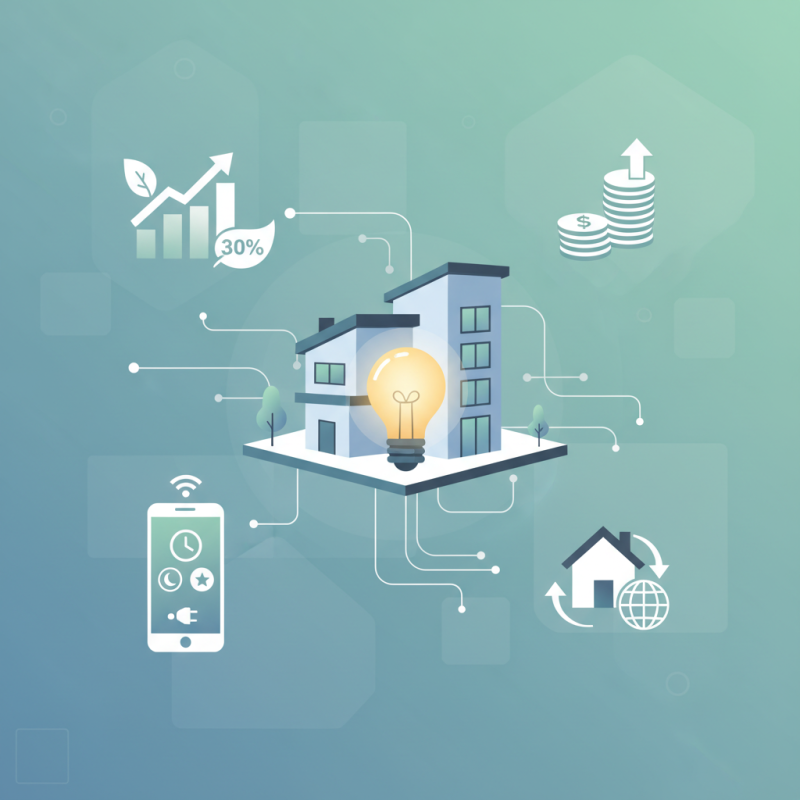
Smart lighting systems are redefining modern homes. They offer more than just illumination. These systems enhance energy efficiency and improve security.
One significant advantage is customization. Homeowners can adjust lighting intensity and color to fit their mood. This feature promotes relaxation or productivity. Imagine returning home to warm, inviting lights that welcome you. You can also schedule lights to turn on or off, increasing convenience.
Tips: To maximize benefits, choose compatible smart devices. Make sure they work well together. Set up scenes for different activities to enjoy varied atmospheres.
Smart lighting also increases safety. Exterior lights can deter unwanted visitors. Motion sensors can alert you when someone is near. Yet, relying solely on technology might not be wise. Regularly check the systems to ensure they function as intended.
Tips: Consider backup options for emergencies. Manual controls can be crucial if your smart system fails. Make sure your family knows how to operate traditional light switches.
Ultimately, smart lighting enhances the home environment. It brings comfort, efficiency, and security. However, it requires ongoing attention to maintain its advantages.
Smart lighting solutions are reshaping homes across the globe. These systems adjust brightness based on daylight and occupancy, leading to significant energy savings. Homeowners can reduce electricity bills while enjoying a comfortable atmosphere.
Energy efficiency is a key benefit of smart lighting. These technologies use LED bulbs that consume less power. Smart sensors can turn off lights in empty rooms, minimizing waste. However, many homeowners hesitate to implement these systems due to upfront costs and complexity. Education about their long-term benefits can ease such concerns.
Despite the advantages, challenges remain. Some users find programming settings difficult. There is often a learning curve involved. Ensuring reliability and ease of use is essential for wider adoption. As technology advances, simplifying these systems could enhance user experience and streamline energy savings for households.
Smart lighting systems are revolutionizing how we experience our homes. By integrating these systems with home automation technologies, users gain control over their environment with minimal effort. Imagine adjusting the brightness and color of lights with a simple voice command or a tap on your smartphone. This level of customization creates an ambiance that matches your mood or activity.
However, the transition to smart lighting isn’t always seamless. Some users struggle with connectivity issues between devices. Compatibility is crucial when choosing smart devices. Not all products work well together, leading to frustration. Moreover, the initial setup can be daunting for some, requiring a learning curve that might deter potential users from fully enjoying the benefits.
Smart lighting can enhance energy efficiency, but it’s important to monitor usage closely. Sometimes, built-in automation features may not function as intended. A light designed to turn off after a set period might not always respond accurately. It's essential to regularly review settings to optimize performance. Despite these challenges, the potential rewards of creating a more intelligent home experience are significant.
This chart illustrates the various benefits of integrating smart lighting into homes. Energy savings, convenience, enhanced security, ambiance control, and increase in home value are significant factors that influence global buyers' decisions.
Smart lighting systems have emerged as vital components in modern homes. Users are increasingly drawn to the convenience these systems offer. From voice-activated controls to customizable color settings, the features are designed with everyday life in mind. According to a 2022 report by McKinsey, more than 65% of homeowners are interested in integrating smart lighting into their spaces. This trend reflects a growing demand for user-centric technology.
Imagine adjusting your home lighting through simple voice commands. This hands-free convenience can enhance everyday routines. A study from MarketsandMarkets highlights that user-friendly interfaces can improve overall satisfaction by 30%. However, while smart lighting enhances convenience, it may also raise concerns about privacy and security. Consumers must balance the benefits with potential vulnerabilities.
Moreover, smart lighting can adapt to various activities. Whether hosting a dinner party or enjoying a quiet evening, users can create the desired ambiance with just a tap. Yet, this reliance on technology invites questions. What happens if the system fails? The impact of such disruptions can affect daily life significantly. Understanding these nuances is key to fully appreciate the role of smart lighting in our homes.
The landscape of home lighting is changing rapidly due to the advent of smart lighting technology. A recent report by MarketsandMarkets estimates that the smart lighting market will reach approximately $24 billion by 2025. Homeowners are captivated by benefits like energy efficiency, convenience, and enhanced ambiance. Many homeowners are adopting these solutions, recognizing the impact on mood and productivity.
However, not all homeowners fully leverage smart lighting. Research by Statista indicates that while 55% of homes in urban areas have embraced smart lighting, only 30% in rural areas have made the switch. This discrepancy highlights a need for education about the value and possibilities of smart lighting. Users might feel overwhelmed by the choices available, which can lead to hesitation in upgrading their systems.
Tips: Start small with smart bulbs in key areas. They often provide significant savings on energy bills. Explore compatibility with existing fixtures to ease the transition. Always read user reviews to identify potential challenges. Understanding installation processes can also help avoid frustration. Remember, the goal is to enhance your living space, not complicate it.
: Smart lighting systems provide more than just light. They enhance energy efficiency and improve home security.
You can adjust the intensity and color to match your mood. Warm lights can promote relaxation, while bright lights may boost productivity.
It’s essential to choose devices that are compatible. This ensures they work seamlessly together for a better experience.
Use exterior lights to deter unwanted visitors. Motion sensors can alert you to nearby movement for added security.
Yes, technology can fail. It’s important to regularly check systems to ensure they are working properly and as intended.
Have backup options for emergencies. Ensure your family knows how to use traditional light switches to maintain control.
Many feel overwhelmed by choices. Educating themselves on the benefits can help alleviate this hesitation.
Consider starting with smart bulbs in key areas. They are often more manageable and can lead to energy savings.
Understand the installation process and read user reviews. This knowledge can help avoid potential challenges and frustrations.
Smart lighting systems offer substantial benefits for homeowners, significantly enhancing the functionality and comfort of modern living spaces. One of the major advantages is improved energy efficiency; smart lighting solutions adjust brightness based on natural light and occupancy, reducing electricity consumption and lowering utility bills. Furthermore, integrating smart lighting with home automation technologies allows users to create custom lighting scenarios easily, enhancing both security and ambiance.
User-centric features of smart lighting systems, such as remote control access and programmable settings, provide everyday convenience that aligns with contemporary lifestyles. As global adoption trends indicate a growing preference for these innovative solutions, the smart lighting benefits for homeowners become increasingly evident, making homes more adaptable, energy-efficient, and user-friendly. Embracing these advancements can lead not only to enhanced living experiences but also to a more sustainable future.

Boray Light