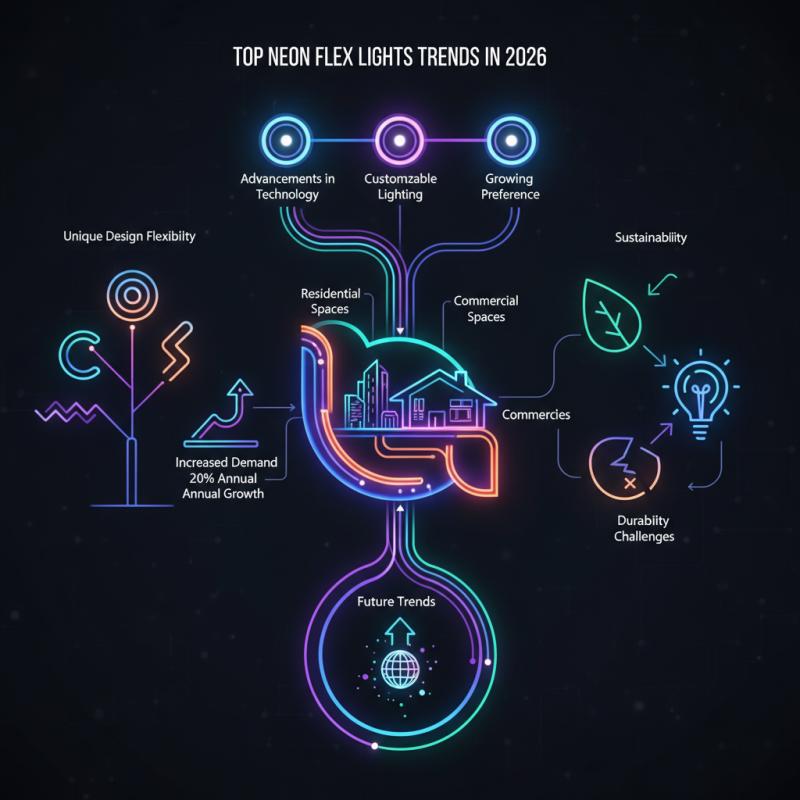
In the world of contemporary lighting, Neon Flex Lights have emerged as a powerful trend. As projected by market research, the demand for flexible LED lighting solutions, including Neon Flex Lights, is expected to grow by over 20% annually through 2026. This surge is driven by advancements in technology and a growing preference for customizable lighting in both residential and commercial spaces.
Neon Flex Lights offer unique design flexibility. They can be molded into various shapes and are ideal for creative installations. From vibrant signage to atmospheric home decor, their applications are nearly limitless. However, challenges remain in achieving consistent quality across manufacturers. Some products fail to meet durability standards, leading to decreased customer satisfaction.
The visual impact of Neon Flex Lights is undeniable. They create immersive environments that capture attention. Yet, as the industry evolves, it’s crucial to prioritize sustainability and energy efficiency. These aspects will likely become pivotal in shaping future trends. As consumers become increasingly eco-conscious, the market may need to shift towards greener alternatives. Understanding these dynamics will be essential for anyone looking to thrive amidst the evolving landscape of Neon Flex Lights.
Neon flex lights have captured attention in recent years, and trends are shifting in 2026. Expect a blend of innovation and creativity. Many will lean toward eco-friendly lighting options. Sustainable materials are becoming more popular. The industry is also focusing on energy-efficient designs. This is a step towards reducing environmental impact.
Customization remains a key trend. People want unique lighting solutions. Neon flex lights offer flexibility in shapes and colors. Consumers are looking for personalized experiences in their decor. New technology allows for dynamically designed solutions that can change color or intensity. However, those seeking quick, pre-made solutions might find themselves disappointed. True customization requires time and effort.
Smart technology integration is on the rise. Voice-controlled lighting, sync with music, and app controls are common features now. But not all consumers are ready for this shift. Ease of use remains a concern. Some still prefer simpler, more traditional setups. The balance between technology and simplicity is vital. The future of neon flex lights holds both promise and challenge.
As we look ahead to 2026, neon flex lighting is becoming more imaginative than before. Designers are experimenting with various shapes and patterns. Curved and angular designs are gaining traction. These innovative forms can transform any space. Unique color combinations amplify visual appeal. Neon lights are not just for signs anymore. They serve as art pieces too.
Patterns are evolving, moving toward layered and textured looks. LED technology makes it easier to create intricate designs. Think neon waves or spirals that captivate the eye. Some patterns play with symmetry, while others embrace chaos. This balance reflects our need for order and spontaneity in life.
People appreciate the imperfections in these light displays. Flaws can add charm and personality, making each piece one-of-a-kind. Striving for perfection could lead to rigid designs. Embracing imperfections allows for more organic creativity. It’s an exciting time for neon flex lights, as their role continues to expand in interior design.
Sustainable materials are becoming a vital part of neon flex lights. In 2026, many consumers will choose eco-friendly options. These materials reduce environmental impact. Traditional neon lights often use harmful components. Alternatives are now available, using recycled plastics and energy-efficient LEDs.
Recycled materials can significantly lower carbon footprints. They are also durable and versatile. Yet, sourcing these materials can be challenging. Not all manufacturers offer eco-friendly products. Consumers may need to research before purchasing. Awareness is crucial for making informed decisions.
Innovative designs often use bio-based materials. These options promote sustainability while maintaining aesthetic appeal. However, the market may still have gaps. Many consumers might find it hard to distinguish between truly sustainable products and those labeled as “green-washed”. Striking a balance between style and sustainability is essential for the future of neon flex lights.
In 2026, neon flex lighting is embracing smart technology. These lights now offer more than just aesthetics. They can connect to home automation systems. Users can control brightness and color through an app. This integration makes neon lights more functional and engaging.
Consider how these lights can enhance moods. Changing colors can impact feelings and atmosphere. For instance, soft blues promote calmness. Bright reds can energize a space. But not every room needs intense lighting. Balance is key; sometimes less is more.
Tips for choosing smart neon flex lights include assessing your space. Measure areas for the right fit. Think about your tech ecosystem. Will these lights sync with existing devices? This foresight ensures a smooth experience. Lastly, experiment with different settings before settling on a theme. Embrace the versatility and let creativity flow.
| Trend | Description | Smart Integration | Expected Popularity |
|---|---|---|---|
| RGB Color Changing | Neon flex lights that can change colors dynamically based on user preference or environmental lighting. | Integration with mobile apps for color control. | High |
| Voice Control | Neon flex lights that can be controlled through voice commands via smart home devices. | Compatibility with voice assistant systems. | Medium |
| Automated Lighting | Lighting that adjusts automatically based on time of day and occupancy. | Integration with smart home automation systems. | High |
| Energy Efficiency | Use of LED technology in neon flex lights for reduced energy consumption. | Smart energy monitoring features. | High |
| Dynamic Scene Lighting | Lighting that shifts and changes based on activities or moods. | Integration with smart environment sensing technologies. | Medium |
Neon flex lights are transforming both homes and commercial spaces in fresh ways. They offer colorful illumination that can change the mood of any room. In living areas, these lights can outline furniture, highlight architectural features, or serve as vibrant wall art. The flexibility of neon lights allows them to be bent into different shapes and designs, making them versatile for any home décor.
In commercial spaces, businesses use neon flex lights to attract customers. A well-placed neon sign can be eye-catching. Restaurants and cafes often employ soft, warm colors to create a welcoming atmosphere. Retail shops favor bright colors to energize their displays. However, not every design fits every brand. It's essential to consider the target audience and overall theme carefully. A mismatch can lead to confusion, so strategic planning is vital.
These lights also face challenges, such as energy efficiency. While they are flexible and stylish, some may consume more power than traditional lighting. Reflecting on sustainability, choosing LED versions can balance style and energy use. It’s a delicate relationship between aesthetics and responsibility in design. If done thoughtfully, neon flex lights can enhance any space beautifully.
: The main trends include eco-friendly options, customization, and smart technology integration.
Eco-friendly options reduce environmental impact and often use sustainable materials, like recycled plastics.
Customization allows for unique shapes and colors, providing personalized lighting experiences.
Yes, but they may not meet the needs of those wanting true customization, which takes time.
Smart technology adds features like voice control and music synchronization, enhancing user experience.
Some consumers prefer simpler setups and worry about the ease of use of smart features.
Sourcing sustainable materials can be difficult, as not all manufacturers offer eco-friendly options.
Research and awareness are vital, as some products may be misleadingly labeled as “green-washed.”
A balance between style and sustainability is essential to meet consumer demands and preferences.
Some innovative designs may sacrifice aesthetic appeal for sustainability, creating confusion among consumers.
The article "Top Neon Flex Lights Trends in 2026" explores the exciting developments expected in the neon flex lighting industry. Key trends include innovative designs and patterns that promise to enhance aesthetic appeal, allowing for unique customization in various settings. Additionally, the use of sustainable materials will gain prominence, focusing on eco-friendly options that contribute to environmentally responsible practices.
Furthermore, the integration of smart technology with neon flex lights is anticipated to revolutionize lighting control and energy efficiency, offering users enhanced convenience and functionality. Popular applications in both home and commercial spaces highlight the versatility of neon flex lights, making them a favored choice for modern decor and advertising. Overall, the trends shaping neon flex lighting in 2026 emphasize creativity, sustainability, and technological advancement, catering to diverse consumer needs.

Boray Light