In recent years, the demand for effective Lighting Solutions For Commercial Buildings in China has surged. The market is projected to grow at a CAGR of 7% from 2021 to 2026, according to industry reports. This growth aligns with the country's rapid urbanization and development. Businesses are increasingly recognizing the importance of proper lighting in enhancing employee productivity and creating inviting spaces.
Innovative lighting solutions not only improve aesthetics but also reduce energy consumption. Energy-efficient LED lighting can decrease electrical costs by up to 70%. Despite this, many commercial buildings still rely on outdated lighting systems. This presents an opportunity for improvement. Companies must consider the long-term benefits of investing in modern lighting technologies.
Moreover, choosing the right lighting solutions can significantly impact a building's overall ambiance. Studies show that well-lit environments can boost morale and efficiency by up to 20%. As the competition in the commercial sector intensifies, businesses must prioritize optimal lighting to stand out. The shift towards sustainable solutions also reflects a growing awareness of environmental impacts.
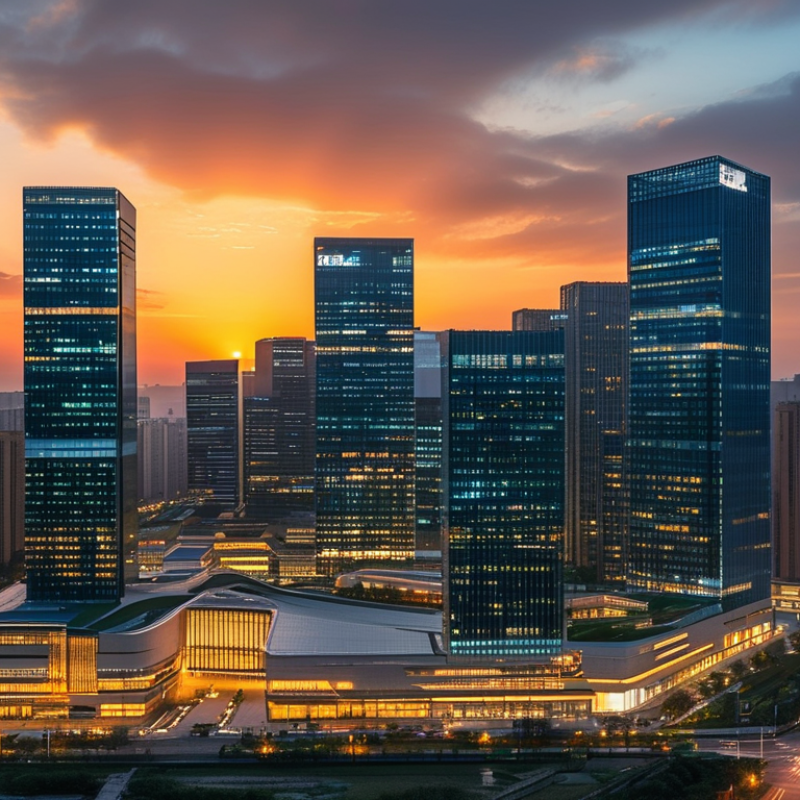
In recent years, commercial lighting technology in China has seen remarkable advancements.
LED lighting continues to dominate, providing energy efficiency and longer lifespans. Smart lighting systems are increasingly popular, allowing businesses to adjust brightness and color temperature. These systems are often integrated with IoT devices, enhancing control and user experience.
Another significant trend is the emphasis on human-centric lighting. This approach focuses on the well-being of individuals by mimicking natural light patterns. Many companies are exploring tunable white light solutions, which adjust color temperature according to the time of day. These innovations not only improve mood but also boost productivity.
However, challenges remain in the adoption of these technologies. Many businesses are hesitant to invest due to high initial costs. Additionally, the rapid pace of change makes it difficult for organizations to stay updated. Understanding the balance between investment and returns is crucial for successful implementation. As technology evolves, so do the considerations that come with it. The journey towards optimal lighting solutions is far from perfect, leaving room for ongoing reflection and improvement.
In recent years, China has focused on enhancing energy efficiency standards for commercial lighting. These standards aim to reduce energy consumption while improving the quality of light. Many businesses now comply with strict regulations regarding luminaire performance, placement, and energy use. This shift reflects a growing awareness of sustainable practices.
Commercial spaces often use LEDs due to their efficiency and longevity. However, not all LED products meet the necessary standards. Some may fall short of expected brightness or color rendering. It's crucial for architects and building owners to verify the specifications of lighting products. The right choice can significantly impact energy costs and overall building performance.
While compliance is essential, challenges remain. Outdated buildings may struggle to meet modern standards without significant upgrades. Retrofitting can be costly and time-consuming. Some companies hesitate to invest, fearing significant disruptions. Nonetheless, the long-term benefits of energy-efficient lighting can outweigh the initial drawbacks. Increased savings and a smaller carbon footprint are hard to ignore.
The shift to LED lighting in commercial buildings is changing the landscape of energy efficiency and aesthetic appeal. Studies show that LED lighting can reduce energy consumption by up to 75% compared to traditional incandescent bulbs. This transition not only lowers energy bills but also decreases maintenance costs due to LED’s longer lifespan.
Implementing LED lights helps create a more inviting atmosphere. A report by the China Lighting Association highlights that well-lit environments enhance productivity and employee satisfaction. However, improper installation or poor-quality LED products can lead to uneven light distribution and glare, which may detract from the intended benefits. Pay attention to color temperature and lumen output when selecting LEDs to maintain visual comfort.
Consider smart lighting solutions that integrate with building management systems. These systems allow for improved control over lighting, optimizing energy usage based on occupancy and natural light availability. Despite the benefits, the initial cost of upgrading to LED technology might deter some businesses. It's vital to conduct a thorough cost-benefit analysis to understand the long-term savings on energy bills and maintenance, ultimately leading to a more sustainable and cost-effective solution for your building.
Smart lighting systems are transforming commercial buildings in China. These systems increase energy efficiency and enhance user experience. Automation simplifies controlling lighting based on occupancy and natural light. By integrating sensors, businesses can reduce energy waste.
Implementing smart lighting involves upfront costs. Companies may hesitate, unsure of the return on investment. However, they must consider long-term savings. Adjusting light levels according to the time of day can greatly reduce energy bills.
Training staff on new systems is essential. Employees should understand the features and benefits of smart lighting. A well-informed team can maximize system potential. Regular maintenance is necessary to ensure optimal performance. It’s an investment in both sustainability and operational efficiency.
This chart illustrates the market share of various lighting solutions utilized in commercial buildings across China, showcasing the increasing adoption of smart lighting systems.
The regulatory framework in China has evolved significantly to support lighting improvements in commercial buildings. New standards focus on energy efficiency and sustainability. In 2022, China's lighting market reached approximately $16 billion, with a projected growth rate of 8% annually. This expansion is driven by stricter regulations and energy-saving initiatives. The 13th Five-Year Plan emphasizes green building and urban development, encouraging the adoption of advanced lighting technologies.
Incentives such as tax breaks and subsidies are available for companies upgrading their lighting systems. The government supports initiatives that align with energy conservation goals. Reports indicate that energy-efficient lighting can reduce electricity consumption by up to 50%. This reduction translates to substantial cost savings for businesses and lower carbon emissions.
For companies considering upgrades, stay informed about local regulations. Ensure compliance with safety standards while exploring innovative lighting solutions. Collaborating with industry professionals can provide valuable insights into optimal practices. Implementing energy-efficient lighting not only enhances the work environment but also reflects a commitment to sustainability. Engaging with smart technologies can lead to overall operational efficiencies.
: LED lighting can cut energy usage by up to 75%. It also lowers maintenance costs due to a longer lifespan.
Well-lit spaces improve worker satisfaction and productivity. Quality lighting creates a more inviting atmosphere in the workplace.
Focus on color temperature and lumen output. Poor-quality products can cause glare and uneven light distribution.
Yes, smart lighting integrates with building management systems. It adjusts lighting based on occupancy and natural light.
There may be significant initial costs. Conduct a cost-benefit analysis to gauge long-term savings on energy and maintenance.
Some governments offer tax breaks and subsidies. These incentives support energy conservation and align with efficiency goals.
New standards emphasize energy efficiency and sustainability, promoting advanced lighting technologies in commercial buildings.
Ensuring compliance maintains safety standards. It also prevents potential legal issues during and after the installation process.
They provide insights into optimal practices. Collaborating with experts ensures successful implementation and adherence to standards.
It can reduce electricity consumption significantly, leading to lower carbon emissions. A commitment to sustainability is increasingly important.
The article titled "Top Lighting Solutions for Commercial Buildings in China" explores the latest advancements and standards in commercial lighting technology specific to the Chinese market. It highlights the growing trends in energy efficiency, underscoring the importance of adhering to energy efficiency standards in commercial spaces. The significant impact of LED adoption on lighting solutions is discussed, illustrating how these energy-efficient options enhance both visibility and cost-effectiveness for businesses.
Additionally, the article examines the integration of smart lighting systems and automation in commercial buildings, which promotes not only operational efficiency but also sustainability. The regulatory framework and incentives present in China are also addressed, encouraging businesses to invest in innovative lighting solutions for commercial buildings. Overall, this comprehensive overview serves as a valuable resource for understanding the dynamic landscape of commercial lighting in China.

Boray Light