When it comes to attracting customers, lighting plays a crucial role in restaurant design. Expert Sophia Harrington, a renowned lighting designer, states, “Good lighting is the heart of an inviting atmosphere.” This reflects the importance of thoughtful lighting design. Effective lighting not only enhances ambiance but also sets the mood for dining experiences.
Lighting Design Tips For Restaurants focus on creating an inviting environment. Restaurants should consider layers of light, combining ambient, task, and accent lighting. The right balance can draw customers in and keep them comfortable throughout their meals. Dim, warm lights may encourage relaxation, while brighter lights can create an energetic vibe.
Choosing fixtures that fit the restaurant's theme is another key point. Unique designs can spark curiosity and conversation among patrons. However, many restaurant owners overlook the maintenance of these fixtures. Regular upkeep is vital to ensure that lighting remains effective. Ultimately, it’s about creating a space where customers feel welcomed and eager to return.
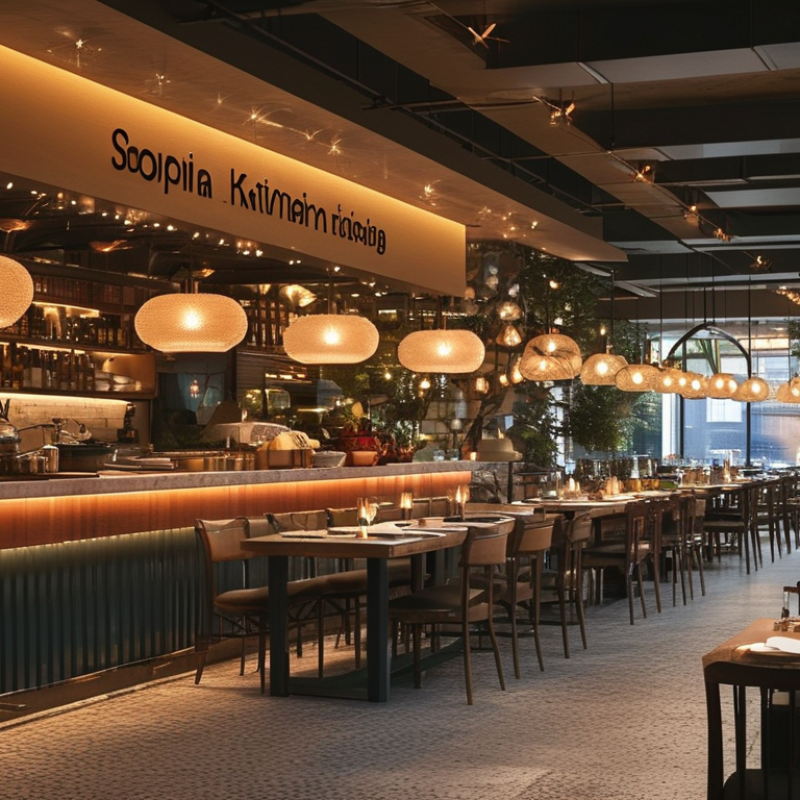
Lighting plays a crucial role in creating an inviting atmosphere in restaurants. It sets the mood and influences how customers perceive their dining experience. A well-lit space can enhance food presentation and elevate the overall ambiance. Proper lighting can make a small space feel larger and make a large space feel cozy.
Consider the color temperature of your lighting. Warmer tones promote relaxation, while cooler tones can energize. A mix of ambient, task, and accent lighting can highlight your menu items effectively. Properly placed lights can create visual interest. Use dimmers to adjust the brightness based on the time of day and crowd.
Don't overlook natural light. Large windows provide a welcoming feel during the day. However, be mindful of glare and heat. Investigate your space’s layout to identify potential challenges with lighting placement. Reflect on how your lighting choices impact customer behavior. Imperfections in design may surprise you, sparking unique ideas for improvement. Different lighting levels create dynamic experiences. Explore how changing light can shift customer moods and interactions.
Lighting sets the mood in a restaurant. Choosing the right style is crucial. For a casual eatery, warm, soft lighting creates intimacy. Pendant lights or Edison bulbs can enhance comfort. Dimming lights during peak hours adds to the relaxed vibe.
Fine dining calls for elegance. Chandeliers or sconces can add sophistication. The key is to create a balance. Too harsh or too dim light may deter customers. A focused spotlight on dishes can elevate presentation. Think about the color temperature. Cooler tones can appear sterile, while warmer tones feel inviting.
Each theme needs its unique lighting touch. Rustic themes benefit from natural light and exposed fixtures. Modern minimalist designs may favor sleek LED strips. Reflect on how each choice aligns with your restaurant’s identity. Experiment with different styles to find the perfect combination. Adjusting lighting can significantly change customer experiences.
Lighting plays a crucial role in defining a restaurant's atmosphere. Balancing functionality and aesthetics is essential to create an inviting environment. Proper lighting enhances the dining experience while also serving practical purposes, like visibility for menu reading and ensuring safety. An overly bright setting can feel sterile, while dim lighting may deter guests from enjoying their meals. Striking the right balance is an art.
Consider layering light sources for a well-rounded effect. Ambient lighting creates a broad illumination. Task lighting focuses on specific areas, like tables or bars. Accent lighting highlights décor, adding visual interest. Use warm tones to evoke a cozy feel, but be cautious. Too many harsh lights can overwhelm the senses and create an unwelcoming atmosphere.
Don’t overlook the flexibility of your lighting design. Adjustable fixtures allow changes throughout the day. This adaptability can cater to different dining experiences, from casual lunches to romantic dinners. However, be prepared to adjust if guests find the lighting too harsh or too soft. Collect feedback to refine this essential element of your restaurant's design. Balancing aesthetics with functionality is a continuous journey, not a one-time solution.
Lighting design plays a crucial role in creating the desired atmosphere in a restaurant. One effective strategy is using color temperature to influence mood. Warmer tones, typically between 2700K and 3000K, can foster intimacy. These cozy hues encourage diners to linger longer. Cooler tones, on the other hand, around 4000K, give a more vibrant feel, suitable for casual dining.
Consider the dining experience you want to create. A romantic dinner requires soft, warm lighting. A family-friendly atmosphere might benefit from brighter, cooler light. Experimenting with different color temperatures can help identify what resonates best with your clientele. It’s not just about brightness, but how light colors interact with your decor and menu.
Choosing the right light fixtures is essential. Chandeliers, pendant lamps, and sconces can enhance a restaurant's character. Yet, they should not overshadow the dining experience. Dimmer switches can offer flexibility, allowing you to adjust lighting based on the time of day or occasion. Be mindful of shadows; they can create an unsettling environment.
Ultimately, having a variety of lighting options available can elevate your restaurant's appeal. Regularly assess how your lighting impacts customer satisfaction. It may take some tweaking to find the right balance, and it’s worth the effort for a warm, inviting space.
Smart lighting solutions play a crucial role in modern restaurant design. These systems offer flexibility, allowing spaces to adapt to various dining experiences. For instance, adjustable LED lights can create a vibrant atmosphere during busy evenings and switch to softer tones for intimate dinners. This adaptability helps maintain customer engagement and satisfaction.
Cost efficiency is another significant factor. Energy-efficient lighting reduces utility bills, leaving more budget for menu and decor enhancements. Smart systems can automatically adjust based on occupancy or time of day. This minimizes wasted energy and helps in reducing the overall carbon footprint of the establishment.
However, not all lighting solutions are perfect. It’s essential to review the effectiveness of each installation regularly. An attractive ambiance can quickly become overwhelming if not monitored. Balance is key—overly bright lights can deter guests, while too dim settings may not convey the desired energy. Thoughtful planning and continual adjustments are vital for success.
| Lighting Aspect | Description | Benefits | Smart Solution |
|---|---|---|---|
| Ambient Lighting | Provides general illumination, creating a welcoming atmosphere. | Enhances customer experience and sets the mood. | Smart dimmers that adjust brightness automatically. |
| Task Lighting | Focused lighting on specific areas like tables or bars. | Improves visibility for dining or service tasks. | LED fixtures with adjustable color temperatures. |
| Accent Lighting | Highlights artwork, architecture, or design elements. | Draws attention and adds visual interest. | Smart spotlights that can be controlled via an app. |
| Energy Efficiency | Using energy-efficient lighting options to reduce costs. | Lower utility bills and a positive environmental impact. | Smart lighting controls that optimize usage based on occupancy. |
| Mood Setting | Adjust lighting based on the time of day or customer flow. | Creates a dynamic atmosphere that adapts to needs. | Automated systems that change lighting profiles throughout the day. |
: Lighting design creates the desired atmosphere and influences customer mood.
Warmer tones create intimacy, while cooler tones provide a vibrant feel for casual settings.
A soft, warm lighting range of 2700K to 3000K is ideal for romance.
The right fixtures enhance character without overshadowing the dining experience.
Dimmer switches allow adjustments based on time or occasion, enhancing versatility.
Regular assessments help maintain balance; too bright or too dim can be uninviting.
Smart systems adapt lighting styles for different dining experiences, improving customer engagement.
It reduces utility costs, allowing more budget for menu and decor upgrades.
An attractive ambiance can become overwhelming, affecting guest comfort.
Continual tweaks help achieve the right balance for a welcoming environment.
Effective lighting design is crucial for restaurants seeking to create an inviting atmosphere and attract customers. A comprehensive understanding of lighting's role in restaurant design allows owners to select the right styles that complement their theme, from cozy bistros to elegant fine dining establishments. Balancing functionality with aesthetics is essential; the lighting should not only enhance the decor but also facilitate various tasks, such as reading menus and serving dishes.
Moreover, smart use of color temperature can significantly influence the mood, helping to create a warm and welcoming environment that encourages patrons to linger. Additionally, incorporating smart lighting solutions offers flexibility and cost efficiency, allowing restaurants to adjust their lighting according to different times of day or special events. By following these **lighting design tips for restaurants**, proprietors can elevate their establishment’s appeal and enhance the overall dining experience.

Boray Light