2026 Lighting Design Tips For Modern Homes You Should Know?

Time:2026-05-01 Author:Isabella
0%

Lighting design plays a crucial role in modern homes. Thoughtfully designed lighting can elevate the atmosphere, enhance functionality, and highlight architectural features. In 2026, embracing innovative lighting design tips for modern homes is essential. These tips can transform any space into a warm and inviting environment.

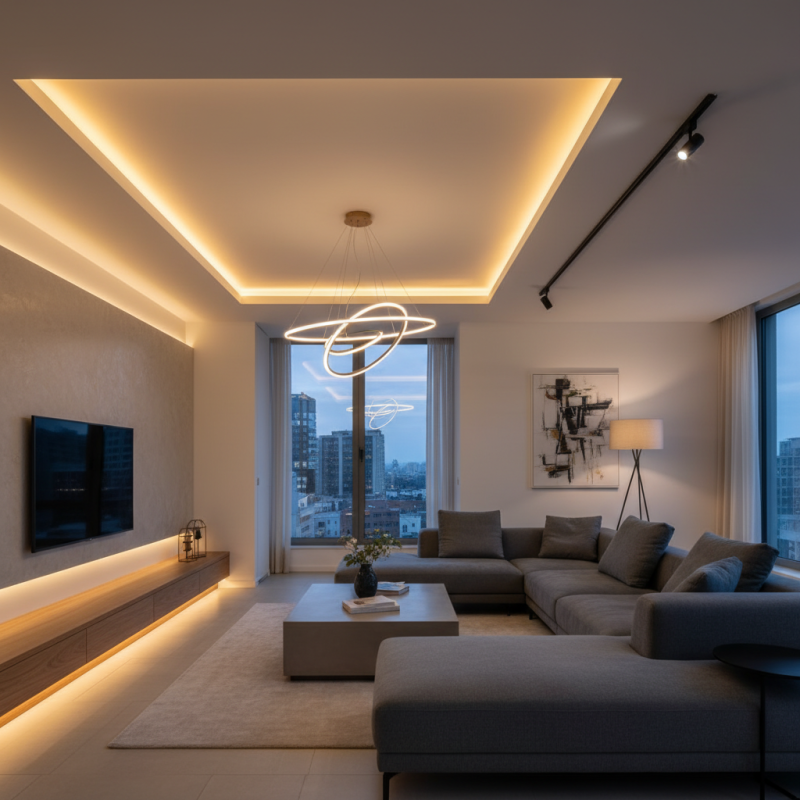
When considering lighting design tips for modern homes, think beyond traditional fixtures. Layering different types of lighting creates depth. Ambient, task, and accent lighting should work together harmoniously. Experimenting with unique light sources, such as LED strips or pendant lights, can add character to your home.

Reflecting on the balance between form and function is key. Sometimes, a fixture may look great but fail to provide adequate lighting. Choosing the right color temperature impacts mood. Warm tones create a cozy feeling, while cooler tones can energize. Paying attention to these details can lead to a more thoughtful and effective design.
2026 Lighting Design Tips For Modern Homes You Should Know?

Essential Principles of Lighting Design for Modern Homes

Lighting design for modern homes involves a few essential principles to enhance both aesthetics and functionality. Natural light is a key element. Large windows can invite sunlight, creating a warm ambiance. However, relying solely on natural light may lead to dark corners in the evening. Supplementing with layered lighting, including ambient, task, and accent lighting, can solve this issue.

Choosing the right fixtures is vital. Fixtures should complement the home’s style while providing adequate illumination. Overhead lights can be stylish, yet they may create harsh shadows. Consider incorporating wall sconces or floor lamps for softer illumination that elevates the space. Mixing light sources can add depth and interest, but be careful not to overwhelm the room.

Additionally, color temperature plays a significant role in setting the mood. Warmer tones create a cozy atmosphere, while cooler tones can energize a space. Experimenting with different temperatures may be necessary to find the ideal balance. Remember, what works well in one room may not work in another. Testing various settings can lead to unexpected learning and improvement in achieving the desired effect.

Choosing the Right Fixtures: Style and Functionality

Selecting the right fixtures for modern homes involves balancing style and functionality. Lighting plays a crucial role in a home's atmosphere. Choose fixtures that complement your interior design while fulfilling practical needs.

Consider ceiling-mounted lights in spaces with higher ceilings to ensure even coverage. Pendant lights can add a touch of elegance over kitchen islands. They provide both task and ambient lighting, creating a layered effect. Wall sconces can enhance rooms by offering subtle illumination.

However, not all designs work in every space. An oversized fixture may overwhelm a small room, while minimalist designs can blend too easily. Think about how a fixture interacts with the room’s dimensions and existing decor. Reflect on whether the light is too harsh or too soft. Balancing aesthetics and functionality often requires experimentation and adjustment.

2026 Lighting Design Tips For Modern Homes You Should Know - Choosing the Right Fixtures: Style and Functionality
Fixture Type Style Functionality Recommended Use
Chandeliers Modern Ambient Lighting Living Rooms, Dining Areas
Recessed Lights Minimalist Task Lighting Kitchens, Hallways
Wall Sconces Contemporary Accent Lighting Bedrooms, Living Spaces
Pendant Lights Industrial Task Lighting Dining Areas, Kitchens
Floor Lamps Mid-Century Ambient and Task Lighting Living Rooms, Reading Nooks

Maximizing Natural Light in Home Interiors

Maximizing natural light in home interiors is crucial for modern living. Studies show that homes with ample natural light enhance mood and productivity. According to a report by the American Society of Interior Designers, 80% of designers believe daylighting boosts creativity and focus.

To improve natural lighting, consider larger windows. Floor-to-ceiling designs can flood a room with light. Yet, too much direct sunlight may result in overheating. Balance is key. Using light, airy drapes can diffuse harsh rays while allowing gentle light to emerge. Mirrors strategically placed can also amplify light by reflecting it throughout the space.

Another aspect is room layout. Open floor plans promote light flow. Avoid heavy furniture and dark colors, which absorb light. Instead, use lighter tones that reflect it. Real-time feedback from homeowners often suggests that simple adjustments can significantly improve well-being. Ensure your space feels inviting, but remember to consider its functionality. Embrace the imperfections of natural light, which change with the seasons, adding character to your home.

Incorporating Smart Lighting Solutions for Efficiency

Smart lighting solutions have become essential for modern homes. These systems offer more than just illumination; they enhance comfort and efficiency. Homeowners can control lighting through apps or voice commands, creating a seamless living environment. For instance, programmable schedules allow you to automatically dim lights in the evening.

When considering smart lighting, energy efficiency is key. LED bulbs paired with smart systems consume less power. However, sometimes the technology can be tricky to set up. Users may encounter connectivity issues or compatibility problems. Not every device works well with every system. This requires careful planning and sometimes a little trial and error.

Moreover, integrating smart lighting into your design can pose a challenge. Choosing the right fixtures is crucial; they should match your home’s aesthetic while providing functionality. Create layers of light with ambient, task, and accent lighting. However, it is easy to overdo it. Balancing light levels can require thoughtful adjustments. Emphasizing simplicity in design can enhance effectiveness and prevent overwhelming the space.

Designing Layered Lighting for Ambiance and Practicality

Layered lighting is essential for creating both ambiance and functionality in modern homes. The concept involves using multiple light sources to achieve the desired effect. A report by the American Lighting Association highlights that 60% of individuals feel more relaxed in well-lit environments. This suggests that thoughtful lighting can enhance mood.

Mixing ambient, task, and accent lighting is key. Ambient lighting offers general illumination, while task lighting helps with specific activities like reading or cooking. Accent lighting highlights architectural features or artwork, adding personality to your space. Often, homeowners overlook the importance of balancing these types. A poorly lit room can feel cramped and unwelcoming.

Consider the placement of fixtures carefully. Use dimmers for greater control over brightness. This adds flexibility for various activities. According to the National Institute of Health, poor lighting can lead to eye strain and fatigue. Reflecting on lighting choices can prevent these issues, ultimately supporting well-being. Experimentation and adjustment are vital to find the right combination that perfectly suits your needs.

2026 Lighting Design Tips: Layered Lighting Preferences

FAQS

: Why is maximizing natural light important in home interiors?

: Natural light enhances mood and productivity. Studies show it boosts creativity and focus in homes.

How can I improve natural lighting in my home?

Consider larger windows, like floor-to-ceiling designs, to flood rooms with light.

What about window treatments for natural light?

Light, airy drapes can diffuse harsh sunlight while allowing gentle light to enter.

What should I avoid in room layouts for better lighting?

Avoid heavy furniture and dark colors; they absorb light. Use lighter tones that reflect light.

How can smart lighting solutions enhance my home?

Smart systems provide control and energy efficiency, often through apps or voice commands.

What challenges might I face with smart lighting?

Users may encounter connectivity issues or compatibility problems, requiring careful planning.

Why is layered lighting important in home design?

Layered lighting creates ambiance and functionality, mixing ambient, task, and accent sources.

How can I prevent eye strain related to poor lighting?

Reflecting on lighting choices and using dimmers can help maintain brightness and comfort.

What common mistake do homeowners make with lighting?

Often, they overlook balancing different lighting types, which can create an unwelcoming space.

How can I find the right lighting combination for my needs?

Experimentation and adjustment are necessary to achieve the perfect lighting for various activities.

Conclusion

In the article "2026 Lighting Design Tips For Modern Homes You Should Know," several key principles are highlighted to enhance modern home interiors. Understanding the essential principles of lighting design is crucial; it involves a balance between aesthetics and functionality. Choosing the right fixtures can significantly impact both the style and practicality of your spaces, while maximizing natural light is a vital aspect for creating an inviting atmosphere.

Furthermore, incorporating smart lighting solutions not only boosts energy efficiency but also adds convenience to daily routines. Layered lighting design plays a pivotal role in establishing an ambiance that is both practical and visually appealing. By following these lighting design tips for modern homes, you can create a harmonious and stylish environment that meets your lifestyle needs.

Isabella

Isabella

Isabella is a dedicated marketing professional with a sharp focus on driving brand growth and engagement through strategic content creation. With an extensive background in digital marketing, she combines her passion for storytelling with her keen understanding of industry trends to deliver......