Effective commercial lighting is crucial for creating engaging spaces. According to the "Commercial Lighting Planning Guide," proper lighting can boost productivity by up to 20%. This statistic highlights the importance of careful planning in commercial environments.
Expert Johnathan Miller, a renowned lighting designer, asserts, "Great lighting is not just about visibility; it's about creating an atmosphere." His words emphasize the need for a strategic approach to lighting. Every business environment has unique needs, and the right lighting can enhance customer experience and employee satisfaction.
However, many businesses overlook essential aspects of lighting planning. Poor choices can lead to increased energy costs and diminished aesthetics. Reflecting on past mistakes, companies should analyze their lighting preferences regularly. The "Commercial Lighting Planning Guide" offers valuable insights to help buyers navigate these challenges effectively.
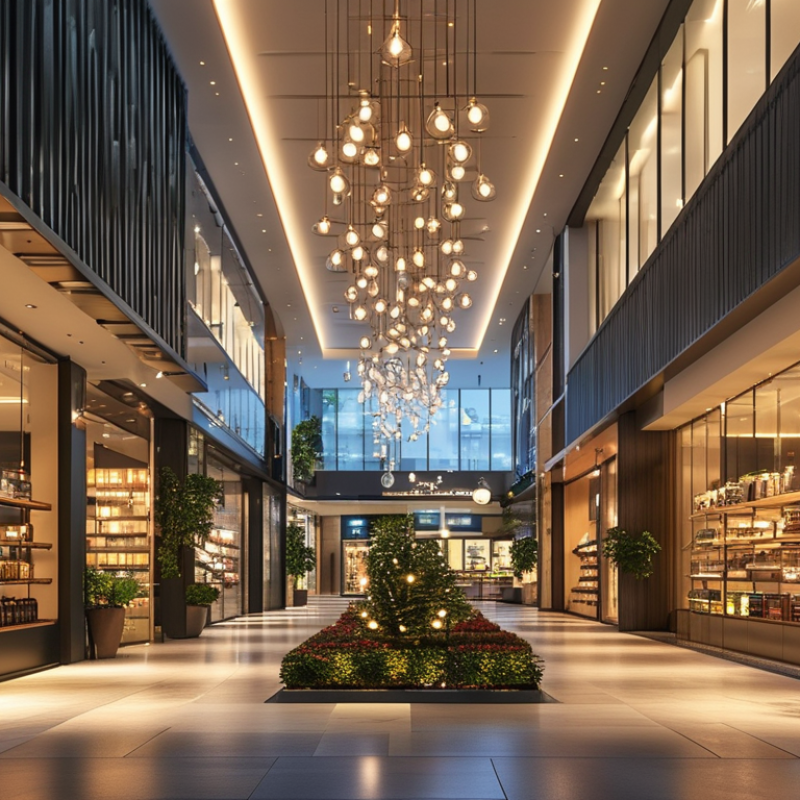
Understanding the Basics of Commercial Lighting for Buyers
Commercial lighting is essential for creating the right atmosphere in businesses. It affects how customers perceive a space and enhances the functionality of different areas. Understanding the basics of commercial lighting helps buyers make informed decisions. Key factors include the type of light sources, their placement, and the overall design of the space.
Different areas require distinct lighting solutions. For example, retail spaces benefit from bright, focused light to showcase products. Meanwhile, offices need softer ambient lighting to reduce glare and improve comfort. Choosing the right color temperature is also crucial. Warmer tones can create a welcoming feel, while cooler tones can promote focus and productivity.
However, many buyers overlook important aspects. They may focus too much on aesthetics while neglecting the energy efficiency of their choices. Energy-efficient lighting options can significantly lower electricity costs over time. It’s important to balance appearance and performance to avoid costly mistakes. Consideration of maintenance and longevity is equally vital. Ignoring these factors can lead to frequent replacements, impacting both budget and workflow.
Identifying Different Types of Commercial Lighting Solutions
Commercial lighting solutions come in various types, each serving unique purposes. Understanding these types is crucial for effective planning. Ambient lighting creates a warm and inviting atmosphere. This type is generally soft and evenly distributed throughout a space. It's essential for spaces like lobbies or waiting areas.
Task lighting is different. It provides focused light for specific activities. Think of desks in offices or workstations in factories. This type of lighting enhances productivity and safety. In some cases, task lighting can be too harsh. Balance is key to ensure comfort and efficiency.
Accent lighting adds flair to commercial spaces. It highlights artwork or architectural features. When not used correctly, it can create unwanted shadows or glare. Choosing the right type is fundamental. A poorly lit area may detract from the overall aesthetic. Each type has its place, but combining them can lead to a beautifully lit, functional space.
Commercial Lighting Solutions Comparison
Key Factors to Consider in Commercial Lighting Selection
In commercial lighting planning, key factors play a vital role in ensuring effectiveness and efficiency. According to the Department of Energy, lighting can account for up to 40% of energy consumption in commercial spaces. Therefore, selecting the right lighting system is essential not just for aesthetics, but also for cost savings.
One major factor to consider is the type of lighting technology. LED lights, for instance, are increasingly popular due to their longevity and energy efficiency. They consume up to 75% less energy and have a lifespan of up to 25,000 hours compared to traditional incandescent bulbs. This shift can lead to significant savings in maintenance and energy costs.
Tips: Always evaluate the color temperature of lights. A cooler light can enhance productivity, while warmer light creates a relaxing atmosphere. Also, consider natural daylight integration. It can reduce reliance on artificial lighting and improve employee well-being.
Another crucial aspect is the layout of the lighting. Uniform lighting helps eliminate shadows and reduces eye strain. However, it's essential to avoid over-illumination, which can lead to discomfort. Some reports suggest that 40% of businesses rarely analyze light levels, missing opportunities for improvement.
Tips: Regularly assess the lighting to ensure it meets current needs. Engaging with employees about their lighting preferences can also provide valuable insights. Always be ready to adapt based on feedback.
Budgeting and Cost Considerations for Commercial Lighting Projects
When embarking on a commercial lighting project, budgeting is often a daunting task. Significant investments are involved in selecting the right fixtures, energy-efficient bulbs, and installation costs. Buyers must account for both initial costs and long-term savings. It’s vital to include maintenance and replacement expenses in your budget. Overlooking these can lead to unexpected financial strain later.
Understanding energy costs is crucial. Some lighting options may seem cheaper upfront but can inflate electricity bills over time. Consider conducting a life-cycle cost analysis to assess value. For instance, LED lights, while initially more expensive, often offer better longevity and efficiency. However, it’s common to overlook how different settings and usage patterns can affect performance.
Involving experienced professionals in planning can mitigate costly mistakes. They can offer insights on optimal layouts and energy solutions. Collaboration with experts helps ensure that your budget aligns with your vision. Reflect on past projects to identify areas for improvement. Learning from previous budgeting mistakes can pave the way for a more successful investment in commercial lighting.
Best Practices for Implementing and Maintaining Commercial Lighting Systems
When implementing commercial lighting systems, understanding energy efficiency is crucial. According to the U.S. Department of Energy, lighting accounts for about 29% of a commercial building's electricity usage. This highlights the importance of selecting fixtures that maximize energy savings while meeting the specific needs of the space. Using LED technology can significantly reduce energy consumption, often by 50% or more, compared to traditional options.
Maintenance is another critical aspect of commercial lighting. Regular inspections can identify inefficiencies like flickering lights or dimming output. The Illuminating Engineering Society recommends changing bulbs before they fail to maintain optimal light levels. Unscheduled downtime can disrupt operations and reduce productivity. Moreover, facility managers should consider implementing a lighting control system. This allows for automated adjustments based on occupancy and daylight levels, further enhancing efficiency.
Lastly, training staff about proper lighting can improve overall performance. Employees should understand how to operate lighting systems effectively. However, many businesses overlook this training. This can lead to poor usage of systems. Continuous education about best practices is vital. A well-maintained lighting system promotes safety and enhances the work environment. Ultimately, a proactive approach to planning and maintaining commercial lighting yields better outcomes.
Ultimate Guide to Commercial Lighting Planning for Buyers
| Lighting Type |
Lumens per Watt |
Lifespan (Hours) |
Color Temperature (Kelvin) |
Best Use Case |
Maintenance Level |
| LED |
80-100 |
25,000 |
2700-6500 |
Retail, Offices |
Low |
| Fluorescent |
35-100 |
7,000-15,000 |
3000-6500 |
Commercial Spaces |
Medium |
| Incandescent |
10-17 |
1,000 |
2700 |
Residential, Accent Lighting |
High |
| Halogen |
16-30 |
2,000 |
3000 |
Display, Task Lighting |
High |
| Metal Halide |
75-100 |
15,000 |
3000-5000 |
Warehouse, Outdoor |
Medium |
FAQS
: The type of lighting technology is crucial. LED lights are popular for energy efficiency and longevity.
Lighting can account for a large percentage of energy consumption. Selecting energy-efficient systems aids in cost savings.
Cooler lights can enhance productivity, while warmer lights provide a relaxing atmosphere.
Uniform lighting eliminates shadows and reduces eye strain. Avoiding over-illumination is also key for comfort.
Regular assessments help ensure lighting meets current needs. Engaging employees can provide valuable feedback.
Regular inspections identify issues like flickering. Unscheduled downtime can disrupt operations and lower productivity.
A lighting control system automates adjustments based on occupancy and daylight levels, improving efficiency.
Training helps employees understand how to operate lighting systems effectively. Many businesses, unfortunately, overlook this.
Managers need to adapt lighting based on employee preferences and feedback for better satisfaction.
A well-maintained lighting system promotes safety and enhances the work environment, yielding better overall results.
Conclusion
The "Commercial Lighting Planning Guide" serves as a comprehensive resource for buyers looking to enhance their understanding of commercial lighting. It begins with the fundamentals of commercial lighting, helping buyers grasp the essential concepts necessary for effective decision-making. The guide elaborates on various types of commercial lighting solutions, allowing buyers to identify the best fit for their specific needs.
Furthermore, it highlights key factors that should be considered during the selection process, ensuring that buyers make informed choices that align with their goals. Budgeting and cost considerations are also meticulously addressed, as financial planning is crucial for the success of any lighting project. Finally, the guide reviews best practices for implementing and maintaining commercial lighting systems, ensuring longevity and efficiency. Overall, this guide is an invaluable tool for anyone involved in commercial lighting planning.

 Boray Light