In the world of interior design, proper lighting can make or break a small space. Effective "Lighting Placement Tips For Small Spaces" are essential for enhancing both aesthetics and functionality. According to a report by the American Lighting Association, well-planned lighting can increase the perceived space by up to 50%. Small rooms often face challenges, including the risk of feeling cluttered or overwhelmed. However, strategic lighting can transform these areas into inviting havens.
Implementing the right lighting strategy involves more than just turning on a switch. Layered lighting—combining ambient, task, and accent lighting—creates depth. This approach not only highlights architectural features but also fosters a cozy atmosphere. For instance, using warm LEDs can soften harsh corners and provide comfort. Yet, many homeowners neglect this, leading to underlit spaces that seem even smaller.
It's easy to make common mistakes when placing lights. Positioning fixtures too high or using harsh bulbs can diminish the intended effect. Interior design experts suggest adjusting light placement regularly. This reflection helps optimize natural light and enhances the overall design. Adopting informed lighting placement tips can elevate small spaces, making them feel larger and more welcoming.
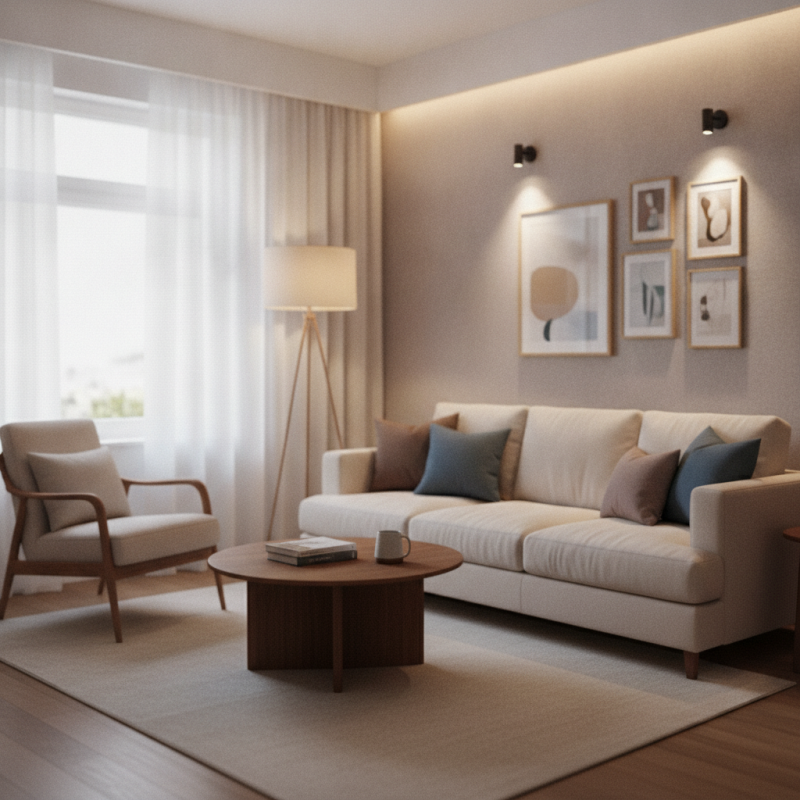
Lighting plays a crucial role in small spaces. It can create a sense of openness and warmth. Good lighting enhances the room’s function. It can also affect your mood. Without adequate light, small spaces can feel cramped and uninviting.
Proper placement of light fixtures matters immensely. For instance, installing wall sconces can draw the eye upward. This gives an illusion of height. Using mirrors can further amplify the light. They reflect it, making a room feel larger. Overhead lighting is essential, but it shouldn’t be harsh. Soft, diffused light creates a cozy atmosphere.
Consider using layered lighting for versatility. Combining ambient, task, and accent lighting allows flexibility. You can adjust the mood based on activities or time of day. It’s important to think about functionality too. A well-lit corner makes a great reading nook. However, you might realize some placements don’t work as planned. Be prepared to tweak your designs based on trial and error.
| Tip Number | Lighting Tip | Description |
|---|---|---|
| 1 | Use Multi-Functional Fixtures | Choose light fixtures that serve multiple purposes, such as ceiling fans with lights or sconces with shelves. |
| 2 | Emphasize Vertical Space | Install wall sconces or pendant lights higher up to draw the eye upward and create the illusion of height. |
| 3 | Layer Your Lighting | Combine ambient, task, and accent lighting to create a dynamic and flexible lighting system. |
| 4 | Utilize Mirrors | Position mirrors to reflect light sources and brighten the space, making it feel larger. |
| 5 | Choose the Right Bulb | Opt for LED bulbs that provide bright, white light to enhance small areas without overwhelming them. |
| 6 | Accent Your Focal Points | Use spotlights or dedicated lighting to highlight artwork, shelves, or other features in the room. |
| 7 | Choose Adjustable Fixtures | Incorporate adjustable floor lamps or table lamps to direct light where needed most. |
| 8 | Create Zones with Lighting | Differentiate areas within the space with distinct lighting styles and intensities for functional and aesthetic purposes. |
| 9 | Incorporate Natural Light | Maximize sunlight with sheer curtains or strategically placed mirrors to enhance the overall ambiance. |
| 10 | Keep it Simple | Avoid cluttering the lighting scheme; simpler setups tend to be more functional and visually appealing. |
: Proper lighting can make small areas feel larger and more inviting.
Use ambient, task, and accent lighting for depth. This creates a cozy, inviting space.
Start with ambient lighting, using ceiling fixtures or wall sconces for soft, even illumination.
Accent lighting highlights specific areas, creating visual interest and drawing attention elsewhere.
Task lighting eliminates shadows, making activities easier. It improves productivity in workspaces.
Consider room shape and dimensions. Strategically placed fixtures enhance depth and space perception.
Warmer tones create coziness, while cooler tones energize a space. Choose based on desired mood.
Yes, mirrors near light sources enhance brightness and create an illusion of larger space.
Choose appropriately sized fixtures. Oversized lights can overwhelm and disrupt the balance.
Dimmers allow control over brightness, helping to adjust ambiance and functionality as needed.
In "10 Essential Lighting Placement Tips For Small Spaces," the article emphasizes the crucial role of effective lighting in enhancing the functionality and aesthetic appeal of limited areas. It discusses key factors influencing lighting placement decisions, such as the size and layout of the space, to ensure the illumination complements the overall design.
Additionally, the article offers effective techniques for layering light, which involves combining ambient, task, and accent lighting to create a warm and inviting atmosphere. Strategic positioning of fixtures is highlighted to maximize the perception of space, while utilizing reflective surfaces can significantly enhance the lighting effects. By following these lighting placement tips for small spaces, individuals can transform cramped areas into more visually spacious and comfortable environments.

 Boray Light