Reducing electricity costs through effective lighting strategies is crucial for both households and businesses. According to the U.S. Department of Energy, lighting accounts for about 15% of the average electricity bill. Expert John Smith from the Lighting Research Institute emphasizes, "Adjusting lighting can lead to significant savings." This highlights the importance of understanding how to reduce electricity with lighting.
In the quest for energy efficiency, many overlook simple techniques. For instance, switching to LED bulbs can reduce energy consumption by up to 75%. Yet, despite these options, many continue to use outdated lighting, leading to unnecessary expenses. Research shows that smart controls can further optimize energy use but are often underutilized, creating an opportunity for improvement.
The challenge lies in awareness and action. Experts note that many consumers dismiss the potential of small changes. Simple habits, such as utilizing natural light more effectively, can go a long way. It's time to rethink our lighting choices and adopt smarter practices to avoid inflated energy costs.
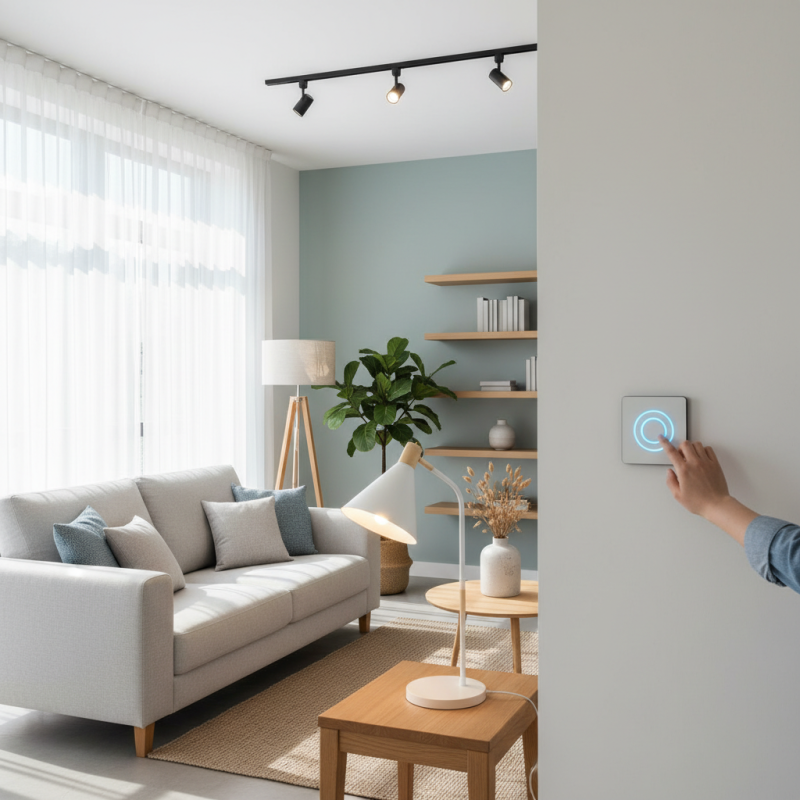
Understanding your current electricity usage patterns is crucial for effective cost reduction. Many households unknowingly waste energy. Analyzing your monthly bills can reveal peak usage times. Are you using lights when they are not needed?
One effective tip is to switch off lights in unoccupied rooms. This simple action can lead to significant savings over time. Consider using motion sensors for outdoor lighting. They ensure lights only activate when needed. Another helpful idea is to replace incandescent bulbs with energy-efficient ones. They last longer and use less energy, thus reducing your overall costs.
Reflect on your daily habits. Do you leave lights on during the day? Make it a practice to maximize natural light when possible. It is a free source of illumination. Furthermore, creating a schedule for using certain lights can also help manage consumption. Establishing these patterns may take time, but it's an investment in your future savings.
| Tip | Description | Estimated Savings (%) | Implementation Time |
|---|---|---|---|
| Use LED Bulbs | Switching to LED bulbs can significantly reduce energy consumption. | 75% | Immediate |
| Install Dimmer Switches | Allows for adjusting brightness to suit needs and save energy. | 30% | 1 hour |
| Utilize Natural Light | Maximize window placement and use light-colored surfaces. | 20% | Immediate |
| Use Smart Lighting | Automate lighting to turn off when not needed. | 40% | 1-2 hours |
| Regular Maintenance | Clean fixtures to ensure optimal light output. | 10% | Monthly |
| Use Motion Sensors | Automatically turn lights off when rooms are unoccupied. | 25% | 1-2 hours |
| Adjust Your Habits | Turn off lights when leaving a room. | 15% | Immediate |
: It helps identify areas where energy is wasted. Analyzing bills reveals peak usage times, aiding in cost reduction.
Switch off lights in unoccupied rooms. This can lead to significant savings over time.
Open curtains and shades during the day. This reduces reliance on artificial lighting.
Energy-efficient bulbs, like LEDs, use up to 80% less energy. They also last longer than traditional bulbs.
Smart bulbs can be controlled remotely. Setting timers or using motion sensors cuts down on unnecessary usage.
Dimmers allow you to adjust light levels. This promotes energy use that fits your needs and can create a cozy space.
Yes, regular maintenance is important. Dust can block light output, forcing bulbs to work harder and use more energy.
Establish times for using certain lights. This may take time, but it can lead to lasting energy savings.
It encourages small adjustments that can yield significant savings over time. Awareness of habits is key.
No, not every room requires bright lighting. Assess your needs for a cozier atmosphere while saving energy.
In the quest to understand how to reduce electricity with lighting, it's essential to first analyze your current electricity usage patterns. This awareness allows for informed decisions in choosing energy-efficient light bulbs and fixtures that significantly lower energy consumption. Incorporating natural light into your spaces is another effective strategy, as it reduces reliance on artificial lighting during the day.
Additionally, implementing smart lighting solutions and timers can help optimize energy use, allowing lights to turn off when not needed. Regular maintenance and upgrades to your lighting systems ensure they operate at peak efficiency. By applying these 25 tips, you can effectively reduce your electricity costs and contribute to a more sustainable environment.

 Boray Light