Choosing lighting for a sustainable home in 2026 involves more than replacing old bulbs with LEDs. Good decisions balance energy use, visual comfort, material impact, repairability, and household habits. The best Lighting Ideas For Sustainable Homes should support daily life without creating unnecessary waste or glare.
A practical starting point is to observe each room at different times. Morning light may reduce electricity demand, while a dark hallway needs dependable illumination. Layered lighting can combine windows, ceiling fixtures, task lamps, and low-level evening lights. Warm LEDs can make a bedroom feel calmer, while brighter, adjustable lighting may suit a kitchen workspace. Look for efficient products with accurate color rendering, replaceable components, and clear performance information. A licensed electrician should verify wiring, dimmer compatibility, and safe installation.
Technology can help, but it is not automatically sustainable. Motion sensors may save energy in bathrooms, yet poor settings can become irritating. Smart controls can reduce waste, although short product lifecycles deserve careful consideration. Even efficient lights become a weak choice when they are oversized, rarely used, or difficult to repair. This is where planning matters.
Real homes are messier than design guides suggest. Budgets change. Preferences conflict. A beautiful fixture may use more materials than expected. Reflective walls, shaded windows, and furniture placement also affect performance. Reliable choices come from comparing measured brightness, operating costs, certifications, and long-term maintenance. This guide explores practical lighting strategies for 2026, while acknowledging that no single solution suits every home, climate, or family.
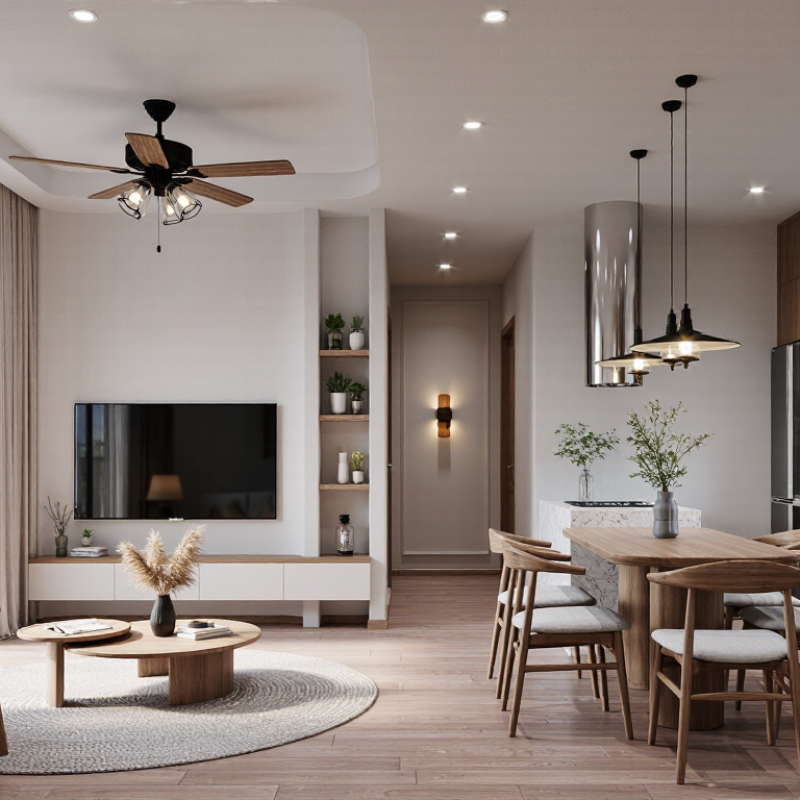
Choosing lighting for a sustainable home in 2026 begins with measuring actual energy needs, not selecting fixtures by appearance. A room audit should record floor area, ceiling height, window direction, and daily occupancy. Daylight changes significantly between winter and summer.
Measure each lamp’s wattage and operating hours. Multiply watts by hours used, then divide by 1,000 for daily kilowatt-hours. For example, a 10-watt lamp used for five hours consumes 0.05 kilowatt-hours. Compare this estimate with electricity-meter readings. Estimates can be wrong.
Kitchen worktops may need brighter, focused lighting than bedrooms or corridors. A qualified lighting professional can assess illuminance levels and reduce glare near reflective surfaces. Use daylight before adding artificial light. Pale walls, adjustable shades, and clean windows can lower evening demand without sacrificing comfort.
Controls matter too. Occupancy sensors suit storage rooms and bathrooms, while dimmers help living areas adapt throughout the day. Choose efficient, long-life light sources with suitable colour rendering for food preparation and reading. Check compatibility before installation, especially in older wiring systems. I would also test one room for a week before changing the whole house. Household habits are unpredictable. A planned system may still leave lights running in empty rooms.
Assessing Energy Needs in a Sustainable Home
| Room / Zone | Floor Area (m²) |
Planning Illuminance (lux) |
Required Light Output (lumens) |
Suggested LED Layout | Estimated Connected Load (W) |
Average Use (hours/day) |
Estimated Annual Energy (kWh/year) |
Sustainable Design Strategy |
|---|---|---|---|---|---|---|---|---|
| Living Room | 25 | 150 | 3,750 | 10 × 500-lumen dimmable LED fixtures | 50 | 4.0 | 73.0 | Dimming + daylight zoning |
| Kitchen | 12 | 300 | 3,600 | 8 × 500-lumen ceiling and under-cabinet LED fixtures | 40 | 3.0 | 43.8 | Task lighting + zoning |
| Bedroom | 16 | 100 | 1,600 | 4 × 400-lumen dimmable LED fixtures | 16 | 2.5 | 14.6 | Low-level night lighting |
| Bathroom | 6 | 200 | 1,200 | 3 × 400-lumen moisture-suitable LED fixtures | 12 | 1.0 | 4.4 | Presence sensor |
| Hallway | 8 | 100 | 800 | 4 × 200-lumen LED fixtures | 8 | 1.5 | 4.4 | Occupancy sensor |
| Home Office | 10 | 500 | 5,000 | 8 × 625-lumen LED fixtures with focused desk lighting | 50 | 4.0 | 73.0 | Task lighting + glare control |
| Total / Weighted Estimate | 77 | Varies by activity | 16,000 design lumens | Efficient LED system with zoned controls | 176 | Usage-weighted | 213.2 | Prioritize daylight before artificial lighting |
Calculation basis: Required light output is estimated as floor area × planning illuminance. Annual energy is calculated as connected load × average daily operating hours × 365 ÷ 1,000.
Design assumptions: The estimate uses LED lighting at approximately 100 lumens per watt. Actual energy use depends on fixture efficiency, dimming levels, daylight availability, occupancy patterns and maintenance.
Practical selection guidance: Choose fixtures with high efficacy, a colour rendering index of at least 80 for general residential areas, appropriate glare control and separate switching for ambient, task and accent lighting.
Planning note: Illuminance values are practical design targets for residential spaces. Final lighting levels should be checked against the activities performed, local building requirements and the completed lighting layout.
Record the room size, ceiling height, window direction, and daily occupancy. Measure each lamp’s wattage and operating hours. Multiply watts by hours, then divide by 1,000. A 10-watt lamp used five hours consumes 0.05 kilowatt-hours. Compare this estimate with meter readings. Estimates can be wrong.
No. Kitchen worktops usually need brighter, focused light. Bedrooms and corridors can use softer illumination. Place task lights above counters, not behind the person working. Reflective surfaces may create glare. A lighting professional can check this properly.
Use daylight before switching on artificial lighting. Keep windows clean and use adjustable shades. Pale walls can reflect more natural light across a room. Winter and summer daylight differ significantly. Check the room at different times.
Occupancy sensors suit bathrooms, storage rooms, corridors, and laundry areas. Dimmers help living spaces adapt during the day. Daylight controls work well near large windows. Controls can also create standby loads or annoying shutoffs. Test actual household behavior for one month.
Look for recycled-content metal housings and replaceable drivers. Ask for environmental information and end-of-life plans when available. Check glare, color quality, repair access, and component compatibility. A low-wattage lamp is not automatically low-impact. Showroom excitement can mislead.
Scheduling, scenes, and local control can reduce unnecessary operation. Avoid systems that depend entirely on continuous cloud access. Choose encrypted connections and clear data settings. Keep manual switches available during outages. Smart is not always simpler.
Map furniture, work surfaces, and daylight before cutting ceilings. Leave accessible junction boxes and spare conduit for future wiring. Keep drivers, switches, and control equipment reachable. Plan for dust and occasional repairs. Beautiful installations can become frustrating.
Record lamp specifications, circuit loads, and installation dates. Check for flicker, especially at low dimmer settings. Clean shades gently twice a year. Cooking grease can reduce useful light. I might overlook this too.
Choose standard components where practical. Avoid sealed assemblies that force early disposal. Reserve space for sensors, daylight controls, or revised wiring. Compatibility may change quickly. Flexible planning still reduces waste.
Choosing the right lighting is an important step toward creating a comfortable and environmentally responsible home. This guide to Lighting Ideas For Sustainable Homes explains how to assess household energy needs before selecting fixtures and bulbs. It explores efficient lighting technologies that reduce electricity use while providing suitable brightness, color, and visual comfort. The guide also highlights the importance of matching lighting to each room’s purpose, from focused task lighting in work areas to softer illumination in bedrooms and living spaces, while making the most of available natural light.
Beyond efficiency, sustainable lighting involves considering durable, low-impact materials, adjustable controls, sensors, and smart features that help prevent unnecessary energy consumption. Careful planning of installation, maintenance, and future upgrades can extend product life, simplify repairs, and reduce waste. By combining practical design, responsible materials, and thoughtful control systems, homeowners can create lighting plans that support long-term comfort, lower energy demand, and a more sustainable lifestyle.

 Boray Light