Choosing lighting during a home renovation is not merely a decorative decision. It affects safety, comfort, energy use, and the way every surface appears. A warm pendant can soften a dining area, while a badly placed downlight may create harsh shadows across a kitchen worktop. Good planning begins before walls close and electrical points become expensive to move.
Randall Whitehead, an architectural lighting designer and author, describes lighting as “the jewelry of the room.” His observation remains practical. Fixtures add character, but the hidden details matter more: accurate color rendering, suitable brightness, glare control, dimming, and correct placement. These choices should support real activities, from reading beside a sofa to chopping vegetables under clear task light. Lighting Tips For Home Renovation Projects should therefore consider both atmosphere and performance.
Start with the room’s purpose, natural daylight, ceiling height, and furniture layout. A layered plan usually combines ambient, task, and accent lighting. Use high-CRI sources where color accuracy matters, especially in kitchens, bathrooms, and dressing areas. Select damp-rated fittings for humid locations, and ask a qualified electrician to confirm wiring, load limits, and local code requirements. Small samples help. Test bulbs against painted walls at night.
There is no perfect formula. I have seen beautiful fixtures fail because their light landed behind the user. I have also underestimated how strongly a cool lamp changes a calm bedroom. Reconsidering the plan is not failure. It is part of responsible renovation. A flexible design, with dimmers and accessible replacements, can remain useful as the household changes.
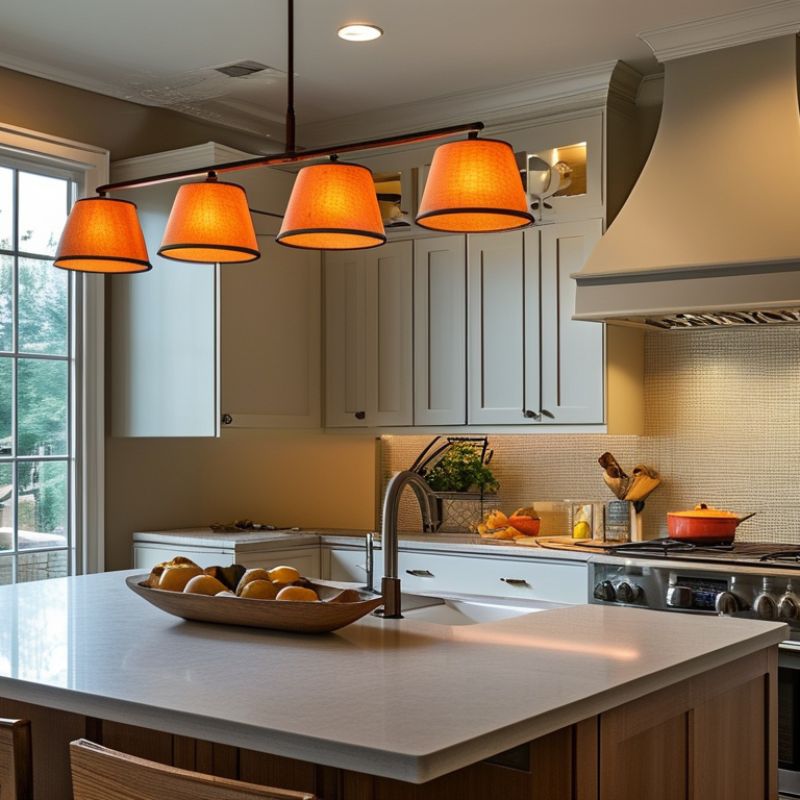
Every renovated room needs a lighting plan based on its daily purpose. A kitchen needs bright, even light for chopping and cleaning. Place task fixtures over counters, not behind the person working. Add softer ceiling light for general movement. A dimmer can make the same room feel less clinical at night.
In a living room, combine ambient, task, and accent lighting. Use floor or table lamps beside reading seats. Highlight artwork only when glare does not reach the sofa or television. Bedrooms usually benefit from gentle, warm light and separate bedside controls. In bathrooms, place balanced lighting near the mirror. A single ceiling fixture can create unhelpful shadows under the eyes. Light changes everything.
A home office needs clear light on the desk without reflecting across the screen. Check the room at different times, because daylight changes the result. I once planned a beautiful pendant above a dining table, but it hung too low and blocked conversation. Measure twice. Select efficient fixtures with suitable color rendering, especially near food, clothing, and skin. A color temperature around 2700K to 3000K often feels comfortable in living spaces, while cooler light may support focused work. Keep switches accessible, and ask a qualified electrician to confirm wiring, load limits, ventilation, and local requirements. A practical plan may still need revision after the first evening of use.
| Renovated Room | Primary Lighting Needs | Recommended Illuminance | Suggested Color Temperature | Recommended CRI | Lighting Layers | Suitable Fixture Types | Control and Planning Tips |
|---|---|---|---|---|---|---|---|
| Living Room | Flexible general lighting for relaxation, conversation, reading, and entertaining. | 100–200 lux ambient 300–500 lux for reading |
2700–3000 K | 80+ 90+ for artwork |
Ambient, task, accent, and decorative lighting. | Ceiling fixtures, recessed downlights, floor lamps, wall sconces, and concealed LED strips. | Use dimmers and separate circuits so the room can shift from bright activity lighting to a softer evening setting. |
| Kitchen | Bright, shadow-free lighting for food preparation, cooking, cleaning, and storage areas. | 300–500 lux general 500–750 lux work surfaces |
3000–4000 K | 80+ 90+ for accurate food colors |
Ambient, task, and cabinet accent lighting. | Ceiling panels, recessed downlights, under-cabinet linear lights, pendant lights, and toe-kick lighting. | Place task lighting in front of or beside the user to reduce shadows. Select fittings with suitable moisture and heat resistance near sinks and cooking areas. |
| Dining Room | Comfortable illumination for meals, table settings, and social gatherings without glare. | 150–250 lux | 2700–3000 K | 80+ 90+ for dining presentation |
Ambient, focal, and decorative lighting. | Pendant lights, chandeliers, recessed downlights, and wall sconces. | Center the main fixture over the table and install a dimmer. A pendant is commonly positioned approximately 75–90 cm above the tabletop. |
| Bedroom | Calm, low-glare lighting for relaxing, dressing, reading, and nighttime movement. | 100–200 lux ambient 300 lux for reading or dressing |
2200–3000 K | 80+ | Ambient, bedside task, wardrobe task, and accent lighting. | Flush mounts, recessed fixtures, bedside wall lights, table lamps, and wardrobe LED strips. | Use warm light and independent bedside controls. Avoid placing exposed bright sources directly in the occupant’s line of sight. |
| Bathroom | Clear, even lighting for grooming, showering, cleaning, and safe movement in a humid environment. | 200–300 lux general 300–500 lux at the mirror |
3000–4000 K | 80+ 90+ near the mirror |
Ambient, mirror task, and shower-area lighting. | Ceiling downlights, vertical mirror sconces, illuminated mirrors, and sealed shower-rated fixtures. | Use damp- or wet-location-rated products according to the installation zone. Position mirror lighting beside or around the face to limit shadows. |
| Home Office | Glare-controlled lighting for computer work, reading, writing, and video meetings. | 300–500 lux general 500 lux for detailed tasks |
3000–4000 K | 80+ 90+ for color-critical work |
Ambient, desk task, and background accent lighting. | Diffused ceiling fixtures, adjustable desk lamps, wall washers, and indirect cove lighting. | Place computer screens perpendicular to windows where possible. Choose diffused fixtures, reduce reflections, and use separate task-light controls. |
| Hallway and Entrance | Safe orientation, welcoming appearance, and clear visibility of doors, steps, and transitions. | 100–200 lux | 2700–3000 K | 80+ | Ambient, orientation, and accent lighting. | Flush mounts, recessed downlights, wall sconces, picture lights, and low-level guide lights. | Maintain consistent light levels along the route. Use occupancy sensors or timed controls in areas that are frequently used for short periods. |
| Staircase | Uniform visibility of treads, risers, handrails, and changes in level to reduce trip hazards. | 100–200 lux Higher levels for complex steps |
2700–3500 K | 80+ | Ambient and step or handrail accent lighting. | Wall-mounted step lights, recessed riser lights, handrail lighting, and ceiling fixtures. | Avoid strong shadows and glare. Use two-way switching at the top and bottom, or occupancy sensors where appropriate. |
| Laundry and Utility Room | Bright, practical lighting for sorting, stain checking, ironing, equipment operation, and cleaning. | 300–500 lux | 3500–4000 K | 80+ | Ambient and task lighting. | Linear ceiling fixtures, recessed downlights, and under-shelf lights. | Use evenly distributed, diffused light. Keep fixtures away from areas where water may splash unless they are appropriately rated. |
| Garage or Workshop | High-visibility lighting for parking, storage, repairs, tools, and detailed manual work. | 300–500 lux general 750 lux for detailed work |
4000–5000 K | 80+ | Ambient, task, and equipment-specific lighting. | LED linear fixtures, sealed battens, adjustable task lights, and workbench lighting. | Provide continuous illumination over work areas and avoid placing fixtures where vehicles, shelving, or doors can block the light. |
: Match lighting to daily activities. Kitchens need bright, even counter light. Bedrooms need gentle, warm light. Bathrooms need clear mirror lighting.
Ambient lighting supports general movement. Task lighting helps with cooking, reading, or desk work. Accent lighting highlights artwork, textured walls, or shelves.
Place it above counters and sinks, not behind the person working. This reduces shadows while chopping or cleaning. Test the position before installing it.
Use balanced lighting near the mirror, preferably from both sides. A single ceiling fixture may create shadows under the eyes. It looks fine on paper, sometimes.
Place the main light beside or behind the workstation. This helps limit reflections across the screen. Check the desk during daylight and evening hours.
They allow one room to support different moods and activities. Bright light can support cleaning, while softer light suits evening relaxation. Test it after furniture arrives.
Mark doors, seating, worktops, cabinets, and sightlines on the floor plan. Center dining lights over the table, not always the room. Measure twice.
Watch for glare, blocked views, cabinet shadows, and inaccessible switches. Temporary lamps can reveal problems before ceiling cutting begins. Some plans still need revision.
Choosing the right lighting is an essential part of a successful home renovation. Begin by identifying the purpose, size, and natural light conditions of each room. Kitchens may need clear task lighting, bedrooms often benefit from softer illumination, and living areas can combine general and accent lighting for flexibility. Consider how each space will be used throughout the day, then select suitable fixture types to support cooking, reading, working, relaxing, or entertaining.
Effective Lighting Tips For Home Renovation Projects also include planning fixture placement and creating balanced layers of ambient, task, and accent light. Choose bulb color and brightness according to the room’s mood and function, while considering energy efficiency and long-term operating costs. Before installation, review switch locations, dimming options, wiring, ventilation, and safety requirements. Finally, select durable, accessible fixtures and plan for routine cleaning, bulb replacement, and future adjustments so the lighting remains practical and comfortable over time.

 Boray Light