Choosing the right lighting for kitchens is crucial for both functionality and aesthetics. According to the American Lighting Association, well-planned kitchen lighting improves safety and enhances the cooking experience. This makes understanding "How to Choose Lighting for Kitchens" essential for any homeowner.
Lighting can significantly impact a kitchen's overall ambiance. For instance, the right mix of ambient, task, and accent lighting creates a balanced environment. However, a common mistake is over-illuminating or under-illuminating spaces. Many homeowners find navigating various light fixtures overwhelming, which can lead to poor choices.
Incorporating energy-efficient options is another important factor. The U.S. Department of Energy reports that efficient lighting can reduce energy bills by up to 75%. This means that strategic lighting not only brightens your kitchen but also saves money. Ultimately, thoughtful consideration in lighting selection can elevate the kitchen while reflecting personal style and practicality.
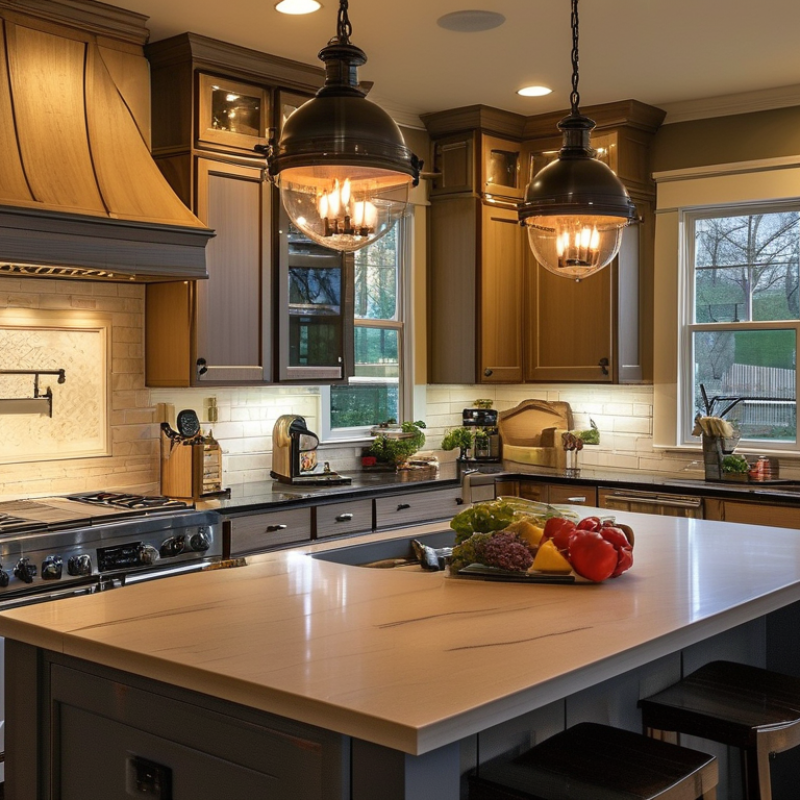
Choosing the right kitchen lighting can transform your space dramatically. It’s essential to understand the three main types of lighting: ambient, task, and accent. Each plays a specific role in your kitchen's overall aesthetic and functionality.
Ambient lighting serves as the foundation. This general lighting illuminates the entire room. You might consider overhead fixtures or ceiling-mounted lights. They create a warm atmosphere but can sometimes be too dim for cooking tasks. Test different bulb types to see which fits best.
Task lighting focuses on areas where you need extra illumination, such as countertops or kitchen islands. Install under-cabinet lights or pendant fixtures above work surfaces. This ensures safety while preparing food. Avoid harsh lighting that could create shadows.
Accent lighting adds a touch of style. Use it to highlight certain features, like cabinets or artwork. It can enhance the kitchen's visual appeal but may require careful placement. Overdoing it can lead to a cluttered look. Aim for a balanced approach that complements your kitchen's design.
| Lighting Type | Description | Best Use Cases | Examples | Pros | Cons |
|---|---|---|---|---|---|
| Ambient | Provides general illumination, evenly lighting the entire space. | Overall lighting for conversation areas, dining, or cooking. | Ceiling fixtures, recessed lights, chandeliers. | Creates a warm and inviting atmosphere. | May not provide enough light for detailed tasks. |
| Task | Focused lighting that illuminates specific areas for tasks. | Cooking, reading recipes, or working on tasks. | Under-cabinet lights, pendant lights over islands. | Increases visibility and safety for intricate tasks. | Can create shadows if not placed correctly. |
| Accent | Highlights architectural features or decor. | Showcasing artwork, displays, or textured surfaces. | Track lighting, wall sconces, LED strip lights. | Adds depth and visual interest to the space. | Can feel excessive if overused. |
: Lumens measure brightness. In kitchens, 3000 to 4000 lumens is ideal for tasks like cooking.
Color temperature, measured in Kelvin, influences the room's mood. Warm light is cozy; cooler light promotes focus.
A temperature of 2700K to 3000K creates warmth. Above 4000K, it supports alertness for tasks like cleaning.
LED bulbs last longer and use less energy, saving money. Traditional bulbs burn out quickly, requiring frequent replacement.
Assess where you need light most. Focused task lighting is crucial for countertops, while pendant lights suit islands.
Mix ambient, task, and accent lights for depth. However, trial and error may lead to better lighting solutions.
Yes, lights placed too high lose brightness, while those too low can cause glare. Placement is key for effectiveness.
Some may prefer warmth, but it might reduce visibility. Be aware of how selected lighting fits your needs.
Fixtures may not match your vision or provide the desired effect. Adjusting choices is often necessary for optimal results.
Energy efficiency affects your bills. Reflect on both initial costs and long-term savings when considering your options.
When considering how to choose lighting for kitchens, it's essential to assess various types of lighting, including ambient, task, and accent sources. Each layer plays a significant role in creating a functional and visually appealing space. Ambient lighting provides overall illumination, task lighting focuses on areas where cooking and food preparation occur, and accent lighting highlights features such as artwork or architectural elements.
Understanding lumens and color temperature is crucial, as these factors influence the mood and usability of your kitchen. Additionally, evaluating energy efficiency by comparing LED and traditional bulbs will ensure cost-effective and sustainable choices. It's equally important to consider your kitchen layout and design for optimal lighting placement. By creating a layered lighting plan that combines different styles, you can achieve both function and aesthetics, making your kitchen a well-lit and inviting area.

 Boray Light