Modern homes across China can face very different lighting challenges, from compact city apartments to larger family houses. Room size, window direction, ceiling height, and daily routines all affect what works. A narrow entryway may need soft, even illumination, while a kitchen counter benefits from focused task lighting. Good Lighting Design Tips For Modern Homes start with these practical needs, not with choosing a striking pendant first.
A useful plan layers ambient, task, and accent light. Recessed ceiling fixtures can provide general brightness, but under-cabinet lights help reduce shadows on work surfaces. A warm bedside lamp feels calmer than a bright ceiling fixture late at night. Small changes matter. Where daylight is strong, adjustable curtains and dimmers can help rooms feel comfortable throughout the day. In darker corners, a carefully placed floor lamp may work better than adding several ceiling spots.
LEDs offer many brightness and color options, but labels can be confusing. Check the product’s light output, color temperature, and dimming compatibility before buying. For a relaxed living area, warmer light is often preferred; for detailed work, clearer light may be more practical. There is no single setting for every home, and preferences can change after installation. That part is easy to overlook. Test lighting at different times, and ask a qualified electrician to handle new wiring or complex controls. The ideas ahead focus on choices that are attractive, usable, and realistic for modern homes in China.
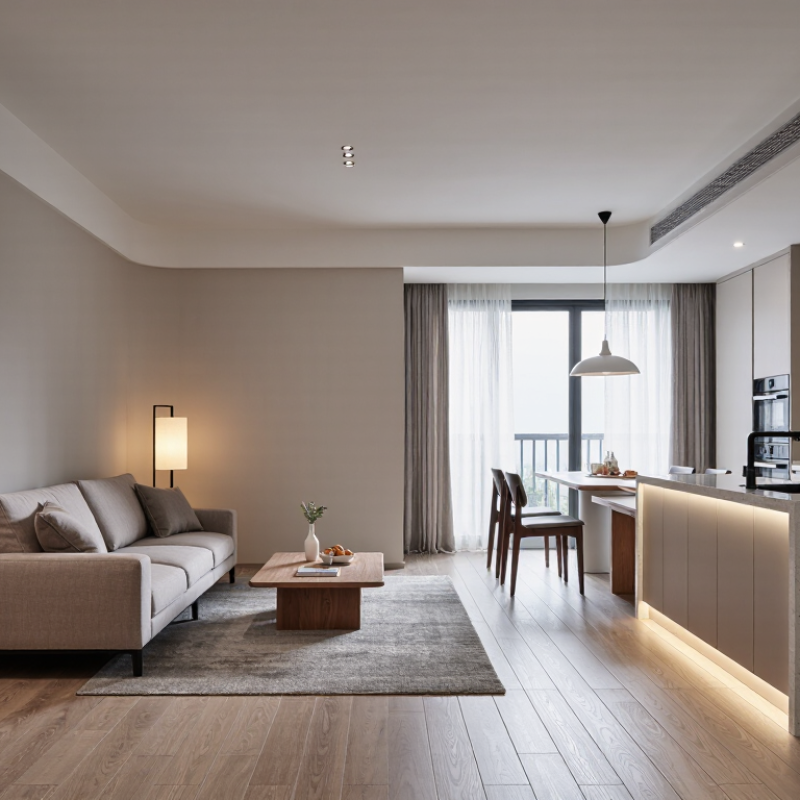
Understanding modern home lighting in China starts with the room, not the fixture. Many urban apartments have compact layouts, pale walls, and windows that face neighboring buildings. Observe how daylight moves across each room before deciding where artificial light is needed. A desk may feel bright at noon but dim by late afternoon.
Build light in layers. Use ceiling lights for general visibility, then add focused light above kitchen counters or beside a reading chair. Soft indirect light can reduce harsh shadows in a living room. Keep switches easy to reach. Dimmers help when one room serves several purposes, though complicated controls can become annoying.
Color temperature changes how a space feels. Warm white light, around 2700–3000K, often suits bedrooms and relaxed evenings. Neutral white can make food preparation and detailed tasks easier to see. Check the actual light at home, since wall colors and finishes affect its appearance. Glare matters, too. A bare bulb reflected in a glossy television screen is distracting. I sometimes find that a simple table lamp works better than another ceiling fixture. Not always. Think about maintenance before installation, including access to ceiling fittings and cleaning dust from recessed lights. A carefully planned room may still need small adjustments after people begin using it.
Plan each room around three jobs: ambient light for safe movement, task light for focused work, and accent light for texture or artwork. In a living room, use a dimmable ceiling fixture, a reading lamp beside the sofa, and a narrow beam on a bookshelf. Keep the layers on separate controls. Small rooms can feel crowded when every surface glows.
In kitchens, broad ceiling light helps reveal spills, while under-cabinet fixtures brighten the counter without casting your body’s shadow across it. Bedrooms need softer ambient light and a directed bedside lamp for reading. A bathroom mirror benefits from balanced light at face level; a single overhead source can leave deep shadows. The Illuminating Engineering Society’s residential lighting guidance emphasizes matching light to the activity and visual needs of each space.
Choose efficient sources, too. The U.S. Department of Energy’s Energy Saver guidance reports that residential LEDs use at least 75 percent less energy and can last up to 25 times longer than incandescent bulbs. Dimming and switching still matter. I often see accent lighting added before basic task lighting is solved; that order can look polished, yet leave people squinting over a recipe. Keep it practical.
In a modern home, lighting works best when each fixture has a clear purpose. In many city apartments, one room may serve as a living area, dining space, and workspace. Use a ceiling fixture for general light, then add a floor lamp beside the sofa or a focused pendant above the dining table. Choose shades that direct light where you need it and reduce glare on screens. Measure the table and ceiling height before buying; a beautiful fixture can still feel awkward if it hangs too low.
Color temperature changes how a room feels. Warm white light, around 2700–3000K, often suits bedrooms and relaxed living areas. A neutral white, near 3500–4000K, can help kitchens and work surfaces look clearer. Keep nearby lights within a similar range to avoid a patchy effect. Brightness matters, too: dimmable lamps let you soften a room at night. Small difference, big effect. Still, color can appear different on walls than it does in a showroom, so test a bulb at home before replacing every fixture.
Tips: Layer ambient, task, and accent lighting instead of relying on one bright ceiling lamp. Aim for roughly 100–200 lux in relaxed living areas and more focused light over desks or counters. These are practical starting points, not strict rules; room color, daylight, and personal comfort all affect the result. Check for shadows on chopping boards, glare on glossy tiles, and dark corners after sunset.
In modern Chinese homes, smart lighting works best when it follows daily routines, not novelty. Put warm, dimmable light near the sofa and brighter, cooler task lighting over kitchen counters. A motion sensor can light a hallway at night, while a simple wall switch should still work when Wi-Fi fails. That detail is easy to overlook.
Choose efficient LED fixtures and check their color rendering and dimming compatibility before installation. The U.S. Department of Energy reports that LEDs use at least 75% less energy and can last up to 25 times longer than incandescent bulbs. These figures compare with incandescent lighting; actual savings depend on use and product quality. A low-cost bulb that flickers or dims poorly is not a real upgrade.
Controls can reduce waste, but results vary. A Lawrence Berkeley National Laboratory meta-analysis found average lighting-energy savings of 24% from occupancy sensors in commercial buildings; homes may see different outcomes. Start with schedules for rooms used at regular hours, then add daylight dimming beside large windows. Check settings after a week. If lights switch off while someone is reading, the system needs adjustment, not another app.
Estimates assume one approximately 800-lumen bulb is used for 3 hours daily. The LED uses 9 W; the incandescent uses 60 W. The smart-controls scenario applies an assumed 25% reduction to LED use through dimming or scheduling. Actual savings vary with household habits and control settings. LED efficiency comparison is consistent with U.S. Department of Energy guidance that LEDs use at least 75% less energy than incandescent lighting.
Good lighting starts with a safe plan, not just a beautiful fixture. Check local electrical requirements before choosing where lights will go. A bathroom ceiling fixture needs a rating suitable for damp conditions, while a heavy pendant needs secure support in the ceiling structure. A decorative cover alone cannot hold its weight.
Turn off power at the breaker before installation, then verify the wires are not live with a suitable tester. The wall switch is not enough. Follow the fixture instructions, connect grounding where required, and keep wires clear of sharp edges. If wiring is damaged, colors are unclear, or the ceiling box feels loose, stop and contact a qualified electrician. Small uncertainties matter.
Spacing also affects safety. Keep fixtures away from curtains and other materials that may heat up, and avoid overloading a circuit with added lights. In kitchens, plan task lighting so the counter is bright without placing a hot fixture too close to cupboards. I sometimes find that a careful sketch still misses a shadow near the sink; test the layout before closing the ceiling. Then check that every fitting is firmly mounted and works without flickering or unusual heat. A second check is worth the time.
Use ambient light for safe movement, task light for focused work, and accent light for artwork or texture. Keep their controls separate.
Try a dimmable ceiling fixture, a reading lamp beside the sofa, and a narrow beam on a bookshelf. Too much light can make the room feel crowded.
Broad ceiling light helps reveal spills. Under-cabinet fixtures brighten the work surface and reduce shadows from your body. Check this while preparing a meal.
Use soft ambient light and a directed bedside lamp for reading. Place balanced light near the bathroom mirror, since overhead light alone can cast deep facial shadows.
LEDs use at least 75% less energy and can last up to 25 times longer. Actual savings vary with usage and product quality.
Check color rendering and dimming compatibility. A cheap bulb that flickers or dims poorly may disappoint. I’d check it before installation.
They can, but results vary. Try schedules in rooms used at regular hours, then adjust them after a week.
Keep a simple wall switch available. A hallway sensor can help at night, but the lights should still be usable without an app.
Lighting Design Tips For Modern Homes begin with understanding how light shapes comfort, function, and atmosphere. A thoughtful plan combines ambient lighting for overall visibility, task lighting for activities such as cooking or reading, and accent lighting to highlight architectural details or decorative features. Each room has different needs, so consider how its lighting will support daily routines while creating a balanced, welcoming feel.
Choose fixtures that suit the room’s size and style, then select color temperatures and brightness levels that complement each activity. Dimmable lights and smart controls can make it easier to adjust the mood, improve convenience, and reduce wasted energy. Before installation, check that fixtures are positioned appropriately, wiring is handled safely, and all components meet relevant safety standards. Together, these choices can create a modern home that is practical, comfortable, and visually cohesive.

Boray Light