Best Lighting Solutions for Creating Perfect Home Ambiance?

Time:2026-07-10 Author:Amelia
0%

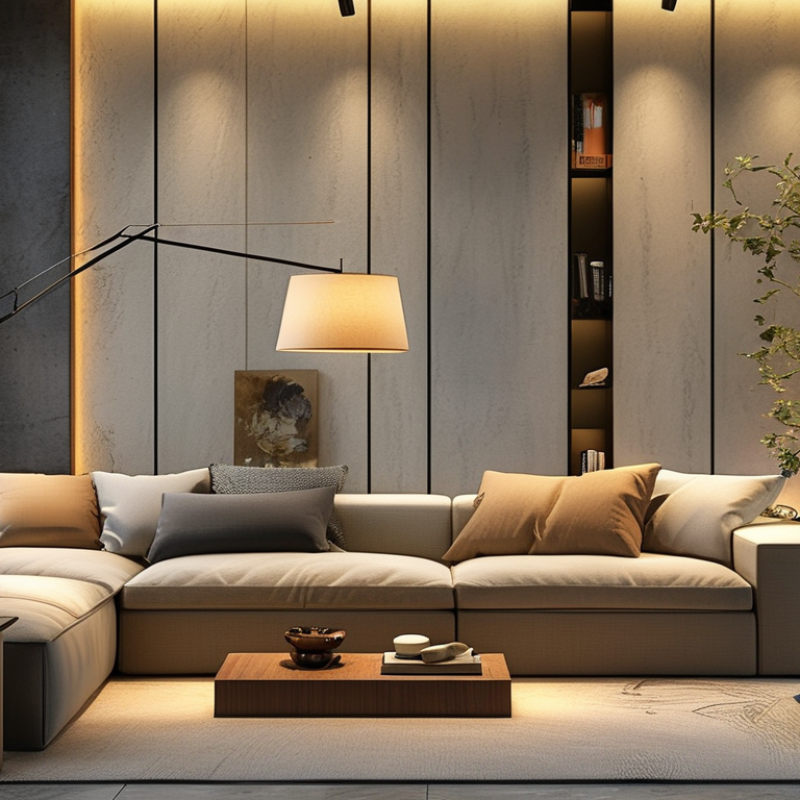
Creating the perfect home ambiance relies heavily on effective lighting solutions. Lighting for better home ambiance can transform ordinary spaces into extraordinary experiences. The right fixtures set the mood, enhance comfort, and highlight your decor. From soft, warm tones to dramatic contrasts, the choice of lighting greatly influences perception.

Consider how natural light interacts with your space. Large windows provide beauty but can be challenging. It’s essential to strike a balance. Layering light is key: ambient, task, and accent lighting work together harmoniously. For instance, dimmable fixtures can adapt to your daily activities and enhance the atmosphere during special occasions.

Reflect on your existing lighting. Are there dull spots? Do certain areas feel neglected? Addressing these imperfections can improve the overall experience in your home. Experiment with color temperature and light placement. Small changes can make profound impacts. Remember, the goal is not just illumination, but creating a nurturing and inviting home environment.
Best Lighting Solutions for Creating Perfect Home Ambiance?

Understanding the Importance of Lighting in Home Ambiance

Lighting plays a critical role in establishing the ambiance of a home. It can shape feelings, highlight features, and create an overall mood. Natural light is crucial. Large windows can bring warmth during the day. However, not all homes benefit from ample sunlight. In those cases, artificial lighting becomes essential.


Different types of lighting fulfill varied needs. Warm lights soften a space, while cool lights can invigorate areas like kitchens or workspaces. Layering these lights offers versatility. You can mix ambient, task, and accent lighting for depth. Choosing the right light fixture adds character too. Yet, many overlook this detail and settle for generic solutions. Auto-adjustable lights can help in adapting to different times of the day, but technology can be daunting for some.


Shadows play a significant role in perception. Areas bathed in light can appear larger, while dim corners can evoke intimacy. But imbalanced lighting often leads to discomfort. It’s worth taking the time to evaluate your light sources. Experiment with brightness and color temperature to find what resonates with your lifestyle. A well-lit space can inspire focus, relaxation, and happiness.

Types of Lighting: Ambient, Task, and Accent Explained

Lighting plays a crucial role in defining a home’s atmosphere. Understanding the three main types of lighting can enhance your space significantly. Ambient lighting provides the overall glow in a room. It sets the tone and is usually soft and diffused. For instance, using ceiling fixtures or floor lamps helps create a warm, inviting feel. However, achieving perfect ambient lighting can be tricky. Too bright, and it may feel sterile; too dim, and it becomes gloomy.

Task lighting is all about functionality. This type of lighting helps you perform specific activities, such as reading or cooking. Desk lamps and under-cabinet lights are excellent examples. They focus on important work areas and should be bright and direct. Yet, be cautious with placement. Poor positioning can cause shadows, making tasks harder.

Accent lighting adds drama and highlights specific features, like artwork or architectural details. This type of lighting draws attention and adds depth. It should be bright but not overpowering. Spotlights or wall-mounted fixtures can enhance features effectively. Nevertheless, it’s essential to balance accent lighting with ambient light to avoid an overly stark appearance. Finding that balance often requires experimentation, so be prepared for some trial and error.

Best Lighting Solutions for Creating Perfect Home Ambiance

Type of Lighting Description Usage Area Best Fixtures Color Temperature
Ambient Lighting Provides overall illumination for a room. Living Room, Bedroom, Dining Room Ceiling fixtures, LED panels, Chandeliers 3000K - 5000K
Task Lighting Focused lighting for specific activities. Home Office, Kitchen, Workshop Desk lamps, Under-cabinet lights, Spotlights 4000K - 5000K
Accent Lighting Highlights specific features or objects in a space. Artwork, Plants, Architectural Features Track lighting, Wall sconces, Picture lights 2700K - 3000K

Choosing the Right Light Fixtures for Different Spaces

Lighting can profoundly affect the mood and functionality of each space in your home. Whether it’s the soft glow in the living room or the bright light in the kitchen, choosing the right fixtures is crucial. For instance, pendant lights can add style to dining areas, while recessed lighting offers a clean look in modern kitchens. It's essential to consider bulb types too, as warm white lights create coziness, whereas cool white lights enhance focus.

In bedrooms, bedside lamps should provide enough illumination for reading without being too harsh. Wall sconces offer a wonderful space-saving option and can add a decorative touch. Don’t forget about the bathroom; adjustable task lighting near mirrors can help you see your reflection clearly. However, too bright lighting can feel harsh. It’s about finding balance between function and ambiance.

Reflecting on your choices is important. Have you considered how these fixtures affect your daily routine? Are any spaces feeling too dim or too bright? Adjusting these elements can transform your home. Pay attention to the shadows and highlights created by your chosen lights. Each decision shapes the atmosphere of your home, making it a space that reflects your personality and needs.

Color Temperature and Its Effect on Mood and Atmosphere

Color temperature plays a crucial role in home ambiance. It directly influences our moods and perception of space. Warm white light, typically ranging from 2700K to 3000K, creates a cozy atmosphere. This temperature is perfect for living rooms and bedrooms, fostering relaxation. Imagine settling into a soft couch, surrounded by warm hues, allowing the stress of the day to fade.

Conversely, cooler tones, like those around 4000K to 5000K, promote focus and productivity. These lights are ideal for workspaces or kitchens. They can energize the mind, but too much can feel harsh. Striking a balance is key. You might find that an overly bright kitchen can lead to feelings of fatigue.

Experimenting with lighting can reveal surprising effects on your mood. Dimmed lights during dinner can enhance intimacy, while a sudden shift to bright, cool light can disrupt a serene evening. It's essential to consider these elements when planning your home lighting. Recognizing what works and what doesn't can help you refine your space effectively.

Best Lighting Solutions for Creating Perfect Home Ambiance

This chart illustrates the mood enhancement scores associated with different color temperatures. As the color temperature increases, the warm tones tend to create a more inviting atmosphere, while cooler temperatures might lead to a more energetic feel.

Practical Tips for Layering Lighting Effectively in Your Home

Creating the perfect ambiance in your home starts with effective layering of lighting. Ambient lighting serves as the foundation. Consider using ceiling fixtures to illuminate a room evenly. However, many overlook the importance of task lighting. It's crucial for activities like reading or cooking. Place table lamps in corners or near seating areas for added warmth.

Accent lighting adds depth and interest. Use it to highlight artwork or architectural features. A well-placed spotlight can create drama, drawing the eye to a beautiful painting. Remember, too much light can feel harsh. Often, I see spaces lit with only one type of lighting, which leaves them feeling flat. Aim for a mix of soft and bright light. Experiment with different levels to see what feels right.

Don’t forget about dimmers. They adjust the mood easily. In a cozy space, a gentle glow works wonders. You might find harsh overhead lights uncomfortable. Softening them can change how you feel in the space. Layering lighting can be a trial-and-error process, and that’s okay. Take the time to test different placements and styles. It’s part of finding what resonates with you.

FAQS

: What are the three main types of lighting?

: The three main types are ambient, task, and accent lighting. Each serves a different purpose in a space.

How does ambient lighting affect a room?

Ambient lighting provides overall illumination. It sets the room's tone but can feel sterile if too bright.

What is the purpose of task lighting?

Task lighting focuses on specific activities like reading or cooking. It should be bright and directly aimed at work areas.

How can accent lighting enhance a space?

Accent lighting highlights specific features like artwork. It adds depth but should not overpower the ambient light.

What color temperature creates a cozy atmosphere?

Warm white light, between 2700K and 3000K, fosters relaxation in living areas and bedrooms.

How can cooler tones affect mood?

Cooler tones, around 4000K to 5000K, can promote focus. They are ideal for workspaces but might feel harsh if overused.

What is a practical tip for layering lighting?

Use a mix of ambient, task, and accent lighting to create depth. Too much of one type can make a space feel flat.

Why should you consider using dimmers?

Dimmers allow you to easily adjust the mood of a space. They can soften harsh overhead lights and enhance comfort.

Can lighting placement make a difference in functionality?

Yes, poor placement can create shadows and make tasks harder. Proper positioning is key for effective task lighting.

Is it normal to experiment with lighting?

Absolutely. Finding the right balance takes trial and error. It’s essential to test different styles and placements.

Conclusion

Creating the perfect home ambiance hinges significantly on effective lighting. Understanding the importance of lighting in home ambiance is essential, as it can transform the mood of any space. There are three primary types of lighting to consider: ambient, task, and accent. Each serves its purpose in enhancing different areas of your home. Selecting the right light fixtures tailored for various spaces can elevate both functionality and aesthetic appeal.

Furthermore, the color temperature of your lighting plays a crucial role in influencing mood and atmosphere. Warmer tones can foster relaxation, while cooler tones can energize a space. To achieve the best results, practical tips for layering lighting should be employed, combining different types of light to create a harmonious environment. By focusing on "Lighting For Better Home Ambiance," homeowners can create inviting and functional spaces that reflect their personal style and comfort.

Amelia

Amelia

Amelia is a seasoned marketing professional with a wealth of expertise in our company’s core offerings. With an unwavering passion for driving growth and innovation, she plays a pivotal role in shaping our marketing strategies and enhancing brand visibility. A key aspect of her responsibilities......