Best Lighting Ideas for Small Homes to Maximize Space?

Time:2026-03-20 Author:Oliver
0%

Lighting plays a pivotal role in small homes. The right illumination can create an illusion of space. According to a report by the American Lighting Association, well-placed lighting can make a room appear 20% larger. This highlights the importance of incorporating the "Best Lighting Ideas For Small Homes."

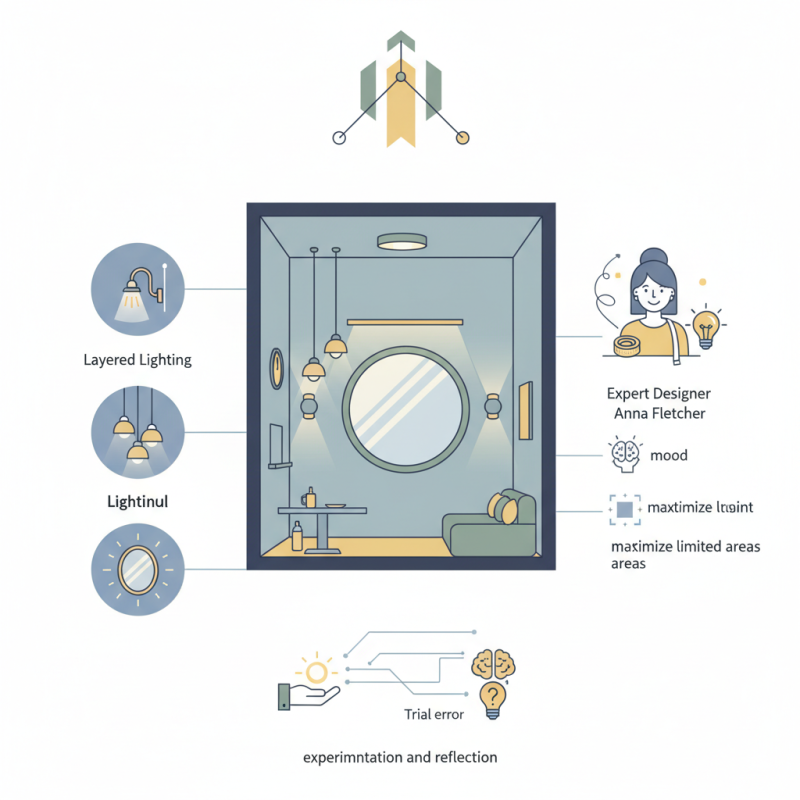
Expert designer Anna Fletcher believes, “Lighting can transform even the coziest of corners into functional spaces.” Her insights stress that proper lighting not only enhances aesthetics but also impacts our mood. In small homes, every inch matters, and lighting can help maximize these limited areas.

Consider layered lighting to amplify depth. Use wall sconces and pendant lights to draw the eye upward. Mirrors can reflect light and open up spaces. Yet, it's important to avoid harsh overhead lighting, which can make small areas seem cramped. Remember, achieving the best lighting is often about experimentation and reflection.
Best Lighting Ideas for Small Homes to Maximize Space?

Innovative Lighting Solutions for Small Living Spaces

In small living spaces, innovative lighting solutions can create a significant impact. Layered lighting is a game changer. Combine ambient, task, and accent lights to add depth. Use floor lamps and wall sconces to free up valuable surface areas. These choices can lead to a more open feeling.

Consider using mirrors to amplify light. A well-placed mirror can reflect light and make a room feel larger. Think about natural light sources, too. Sheer curtains can help sunlight enter without being blocked. Another option is to use adjustable fixtures. They can be directed to highlight specific areas or artwork, adding personality.

However, it’s essential to avoid cluttering the space with too many fixtures. Too much can overwhelm the small area. It’s about balance. Not every corner needs lighting. Sometimes less is more, and that creates a peaceful atmosphere. Focus on key areas where light is needed the most, and let some spaces remain dark.

Utilizing Natural Light to Enhance Small Home Interiors

Natural light is a powerful tool for small homes. It creates an illusion of space and enhances aesthetics. Broad windows and glass doors can maximize sunlight. Consider sheer curtains to filter light while maintaining privacy. This simple addition keeps your space bright and open.

Mirrors can also play a crucial role. They reflect light and make rooms appear larger. Position mirrors opposite windows to capture more light. Small homes can feel claustrophobic. Reflective surfaces can break the monotony. Use mirrored furniture sparingly to avoid overwhelming the space.

Houseplants add a refreshing touch. They thrive in natural light and bring life to interiors. However, placement matters. Some plants need more light than others. This calls for thoughtful selection based on your home’s specific conditions. Balancing light and greenery is key to a harmonious atmosphere.

Choosing the Right Light Fixtures for Limited Areas

When dealing with small homes, choosing the right light fixtures plays a crucial role in maximizing space. A report from the American Lighting Association states that strategic lighting can make a room feel larger. The right overhead fixtures can draw the eye upward, creating an illusion of height. Use pendant lights or flush mounts that are proportional to your ceiling height. Overly large fixtures can overwhelm the space, making it feel cramped.

Consider wall sconces for narrower areas. They occupy minimal floor space while providing effective illumination. According to research by the International Association of Lighting Designers, layering different types of lighting can enhance spatial perception. Mixing ambient, task, and accent lights allows for flexibility. This layered approach highlights architectural details or artwork, which can add depth to a small room.

However, light placement can often be challenging. Shadows can create misleading contrasts, making the area seem smaller. Sometimes, light fixtures need to be adjusted. Using dimmers allows you to balance brightness. This adaptability can significantly improve the functionality of limited areas. Reflect on the layout regularly. What works today may not suit future needs. Being open to change is key in small spaces.

Layering Lighting Techniques to Create Depth in Small Rooms

Lighting can transform small spaces dramatically. Layering lighting techniques can add depth and dimension. Use a mix of ambient, task, and accent lighting.

Consider installing ceiling fixtures for general illumination. They provide overall light without taking up space. Add table lamps on surfaces for task lighting. A small lamp can create cozy corners. Floor lamps can also contribute, especially in corners.

Tips: Use warm light bulbs for a welcoming feel. Dimmer switches can control brightness effectively. Experiment with light placement to find the perfect balance. Remember, shadows can enhance texture and warmth. Don’t overcrowd your space with too many fixtures. It’s okay to leave some areas intentionally dim.

Color Temperature and Its Impact on Small Home Ambiance

Color temperature plays a crucial role in how small homes feel. Warmer tones, around 2700K to 3000K, create a cozy ambiance. These temperatures can make small spaces seem welcoming. In contrast, cooler tones, above 4000K, often feel stark and uninviting. It’s essential to consider these shades when planning your lighting scheme.

According to a report from the American Society of Interior Designers, lighting can affect mood and productivity. In small spaces, optimal lighting encourages a sense of openness. For example, strategically placed warm white lights can enhance the perception of space. However, too much harsh lighting can create an uncomfortable environment. It’s a delicate balance.

Using softer lighting solutions with adjustable settings can help. This allows for versatility in how a space is perceived at various times. Think about dimmable options to shift from bright task lighting to soft, ambient light. Small homes can feel both functional and intimate with the right color temperatures. Experimentation is key, as individual preferences vary widely.

FAQS

: How can I make a small room feel larger?

: Use strategic overhead fixtures to draw the eye upwards. Choose the right height for light fixtures.

What type of lighting is best for narrow spaces?

Wall sconces are ideal. They save floor space and provide effective illumination.

How can layering light fixtures help my small home?

Mixing ambient, task, and accent lights adds depth and flexibility. It highlights details and creates a spacious feel.

What issues can arise with light placement?

Shadows can mislead your perception of space. Regular adjustments may be necessary to avoid a cramped feeling.

What color temperature should I use for a cozy atmosphere?

Warmer tones between 2700K and 3000K create a welcoming ambiance in small areas.

How does lighting impact mood in small spaces?

Optimal lighting can encourage openness and positivity. However, harsh lighting may lead to discomfort.

Why should I consider dimmable lighting?

Dimmable options allow you to adjust brightness easily. They enhance versatility and comfort at different times.

How often should I reflect on my lighting layout?

Regular reflection is important. What works now may not work in the future; be open to changes.

Can too much lighting be a problem?

Yes, excessive harsh lighting can create an uninviting environment. A balance is essential for comfort.

Is experimentation with lighting necessary?

Absolutely. Preferences vary, and trying different options can lead to a more personalized and inviting space.

Conclusion

When it comes to maximizing space in small homes, the "Best Lighting Ideas for Small Homes" play a crucial role. Innovative lighting solutions can transform limited areas into aesthetically pleasing environments. Utilizing natural light effectively enhances small home interiors, creating an illusion of expansiveness. Additionally, choosing the right light fixtures is essential for optimizing confined spaces, ensuring they are both functional and stylish.

Layering lighting techniques—such as incorporating ambient, task, and accent lighting—adds depth to small rooms, making them feel more inviting. Furthermore, the color temperature of the light can significantly influence the ambiance of a space, with warmer tones often promoting a cozier atmosphere. By focusing on these lighting strategies, homeowners can enhance their small living spaces, demonstrating that size need not compromise style or comfort.

Oliver

Oliver

Oliver is a seasoned marketing professional with a wealth of expertise in driving brand awareness and engagement. With a deep understanding of our company's product offerings, he consistently delivers high-quality content that enriches our professional blog. His insights not only shed light on......