When it comes to creating serene spaces, the role of lighting cannot be overstated. In the realm of *Lighting Ideas For Minimalist Interiors*, expert designer Sarah Johnson emphasizes, “The right light can transform a room, adding depth and character.” Her insights guide us in exploring innovative ways to achieve a minimalist aesthetic with illumination.
Minimalist interiors thrive on simplicity and functionality. Achieving this often requires creative lighting solutions that highlight clean lines and uncluttered spaces. Consider using pendant lights with geometric designs or floor lamps that combine art and utility. These choices do not just light the room; they also serve as focal points.
However, lighting in minimalist designs can be a double-edged sword. Too much or too little can disrupt the desired ambiance. Shadows can cast illusions that clash with simplicity. Therefore, careful consideration of placement and intensity is crucial. Embracing *Lighting Ideas For Minimalist Interiors* involves a balance of beauty and practicality, ensuring every piece contributes to the overall harmony of the space.
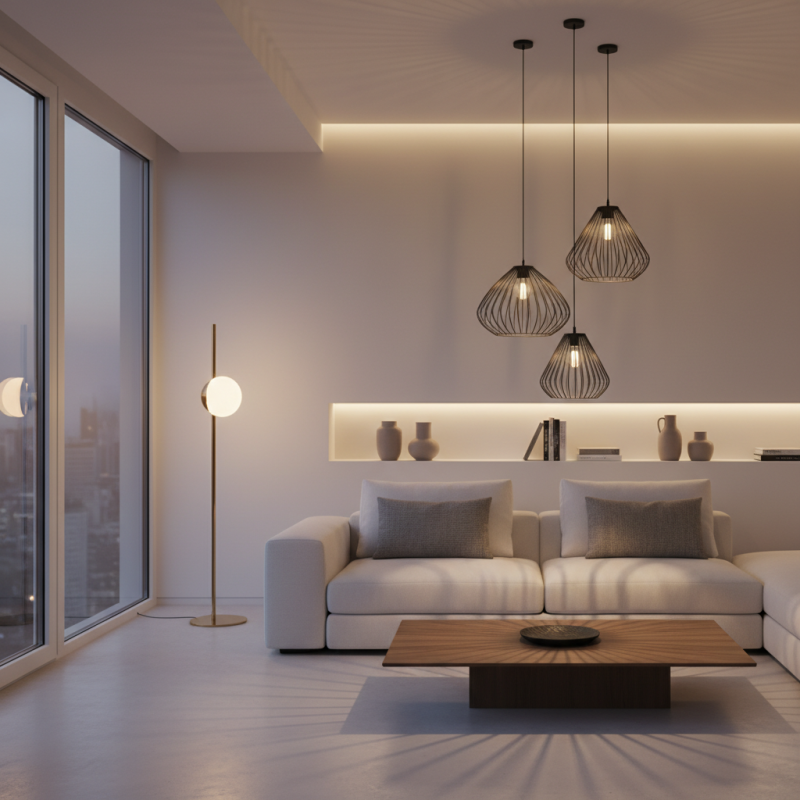
Minimalist Lighting Fundamentals: Understanding the Aesthetic Principles
Minimalist lighting embodies simplicity and functionality. It's a fusion of form and function. Clean lines, subtle colors, and understated designs are key. The goal is to create an atmosphere that enhances spaciousness. Soft, diffused light can make a room feel warm yet open. Natural light should be maximized wherever possible, reflecting the minimalist ethos.
Layering light sources is crucial. Use ambient, task, and accent lighting to create depth. Overlooking this can lead to harsh shadows or overly bright spots. Fixtures shouldn't overpower a space; they should complement it. Consider how each piece interacts with the room's design. Reflect on the balance between aesthetics and practicality.
However, achieving the ideal minimalist lighting is challenging. Personal preferences can clash with minimalist principles. It's easy to accumulate items that disrupt the clean lines you aim for. Regularly question whether each piece truly adds value. Embrace the imperfections of your space as part of the journey. After all, minimalism is about creating a peaceful environment, not perfection.
The Role of Natural Light: Enhancing Minimalist Spaces with Windows
Natural light plays a significant role in enhancing minimalist interiors. It creates an open, airy atmosphere, which is essential for maintaining the serene elegance characteristic of minimalism. According to a report by the International Energy Agency (IEA), spaces that utilize natural light can reduce energy consumption for lighting by up to 50%. This is an essential consideration for those aiming to create eco-friendly, efficient homes.
Windows are a fundamental element in achieving optimal natural light. Proper placement and size can transform a room. Large windows or floor-to-ceiling designs maximize sunlight and offer dramatic views. However, excessive exposure can create glare and uneven lighting. Balancing light with shades or reflective surfaces can help mitigate these issues. The key is to harness light while maintaining comfort and visual harmony.
Incorporating skylights is another effective strategy. They not only allow light from above but also add architectural interest. A survey by the American Institute of Architects (AIA) highlights that 33% of homeowners prioritize natural light for their renovations. This trend reflects the growing acknowledgment of the positive psychological effects of light in living spaces. Yet, one must consider factors like privacy and thermal comfort. Thoughtful design ensures spaces feel inviting while staying functional.
Effective Use of LEDs: Energy Efficiency and Design Flexibility
Effective use of LEDs in minimalist interiors offers remarkable benefits in energy efficiency and design flexibility. According to the U.S. Department of Energy, LEDs use at least 75% less energy than traditional incandescent bulbs. This means significant savings over time, while also reducing carbon footprints. Minimalist designs often prioritize functionality, making LEDs a perfect fit. They provide bright, focused lighting without bulky fixtures, blending seamlessly into the aesthetic.
The flexibility of LED lights enables innovative design possibilities. They can be installed in various forms—strips, recessed lights, or wall-mounted fixtures. This adaptability allows homeowners to highlight specific areas without overwhelming the space. Research from the Lighting Research Center reveals that ambient lighting can enhance mood and productivity. Such strategies are essential in minimalist settings where every component must serve a purpose.
However, relying solely on LED lighting might not always yield the desired effect. Poor color rendering or overly harsh lights can detract from the tranquil feel of a minimalist space. It's important to choose the right color temperature and placement. Testing different configurations can lead to the ideal atmosphere. Balancing functionality with aesthetics requires thoughtful consideration—reflecting the core principles of minimalism.
Statement Fixtures: Making an Impact with Minimalist Lighting Design
Minimalist interiors thrive on simplicity and functionality. Choosing statement fixtures can create a striking focal point. These bold lighting pieces elevate your space without overwhelming it. They provide both illumination and a conversation starter.
When selecting a statement fixture, consider scale and style. A large pendant light can bring warmth to an empty dining room. Conversely, an intricate floor lamp may perfectly complement a cozy reading nook. The key is finding a balance between boldness and subtlety.
Tips: Focus on textures and materials. A brass fixture carries elegance, while a wooden lamp adds warmth. Don't shy away from unique shapes. A sculptural design can create architectural interest. Assess your layout; sometimes, less is more. You may discover that an oversized, daring piece transforms your minimalist space into an artist's canvas. Embrace the unexpected. Let the lighting reflect your personal style rather than following every design trend.
10 Best Lighting Ideas For Minimalist Interiors You Must Try
| Lighting Idea |
Description |
Best For |
Color Scheme |
| Pendant Lights |
Suspended fixtures that draw attention. |
Dining areas |
Neutral & Earth Tones |
| Floor Lamps |
Tall fixtures that provide ambient lighting. |
Living rooms |
Black & White |
| Wall Sconces |
Fixtures that attach to walls, perfect for small spaces. |
Entryways |
White & Light Pastels |
| Recessed Lighting |
Embedded in the ceiling for a sleek look. |
Kitchens and Hallways |
Monochromatic Shades |
| Table Lamps |
Portable fixtures that add character. |
Bedrooms |
Soft Neutrals |
| LED Strip Lights |
Versatile lighting options for accenting. |
Shelves or Home Theaters |
Vibrant Colors |
| Chandeliers |
Grand fixtures that serve as a focal point. |
Dining rooms |
Bold Contrasts |
| String Lights |
Casual, decorative accent lights. |
Outdoor areas |
Warm Tones |
| Smart Bulbs |
Adjustable lighting controlled via smartphone. |
All rooms |
Customizable Colors |
| Track Lighting |
Flexible lighting that can be directed. |
Art Spaces |
Neutral Tones |
Layered Lighting Techniques: Creating Depth in Minimalist Interiors
Layered lighting techniques are essential for enhancing minimalist interiors. These methods create visual depth while maintaining a clean aesthetic. Using multiple light sources can bring warmth and comfort to stark designs. You can combine ambient, task, and accent lighting to achieve this balance.
Start with ambient lighting to provide general illumination. Ceiling-mounted fixtures or hidden LEDs work well. Next, incorporate task lighting to highlight specific areas. A sleek desk lamp or a pendant over a reading nook can serve this purpose. Finally, add accent lighting to draw attention to artwork or architectural features.
While layering lighting, pay attention to the height and direction of light sources. Too much or too little can disrupt the intended flow. Mixing different types of fixtures can also be tricky. Strive for harmony in style and brightness. This might require some trial and error. Each space is unique, and finding the right balance often demands reflection and adjustment.
Conclusion
When it comes to "Lighting Ideas For Minimalist Interiors," understanding the fundamental aesthetic principles is crucial for creating a harmonious and serene space. Emphasizing natural light plays a vital role, as strategically placed windows can enhance the openness and brightness of minimalist interiors. Additionally, the effective use of energy-efficient LED lighting not only contributes to sustainability but also offers flexibility in design, allowing for creative expression while maintaining simplicity.
Incorporating statement fixtures can serve as impactful focal points, adding character without overwhelming the minimalist ethos. Moreover, utilizing layered lighting techniques helps to create depth and dimension, ensuring that each area feels inviting and thoughtfully designed. By combining these elements, you can achieve a balanced ambiance that epitomizes modern minimalist living while showcasing innovative lighting solutions.

 Boray Light