2026 How to Choose Lighting Ideas for Contemporary Spaces

Time:2026-09-18 Author:Liam
0%

In 2026, contemporary interiors are becoming calmer, smarter, and more personal. Yet choosing lighting remains harder than selecting a beautiful fixture. Lighting Ideas For Contemporary Spaces should begin with how people move, work, rest, and gather. A sculptural pendant may look perfect online, then cast harsh shadows above a dining table. Real rooms expose these differences quickly.

A reliable plan combines ambient, task, and accent lighting, rather than depending on one central lamp. Start with daylight direction, ceiling height, wall color, and furniture placement. Then test brightness at breakfast, late afternoon, and evening. A warm 2700K light can soften stone surfaces, while adjustable 3000K lighting may support focused kitchen tasks. Always check the manufacturer’s color-rendering data, dimmer compatibility, glare control, and energy performance. These details separate informed design from attractive guesswork.

This guide explores practical Lighting Ideas For Contemporary Spaces, including layered schemes, linear LEDs, recessed fittings, portable lamps, and statement pendants. It also considers accessibility, maintenance, and changing technology. Good lighting should reveal texture without exhausting the eyes. It should guide movement without dominating the room. Small adjustments matter. A lamp shifted 30 centimeters can change a reading corner completely. Still, no universal formula exists. Personal sensitivity, local daylight, and imperfect construction will challenge even careful plans. Measure twice. Live with the light. Revise when the room tells you something different.
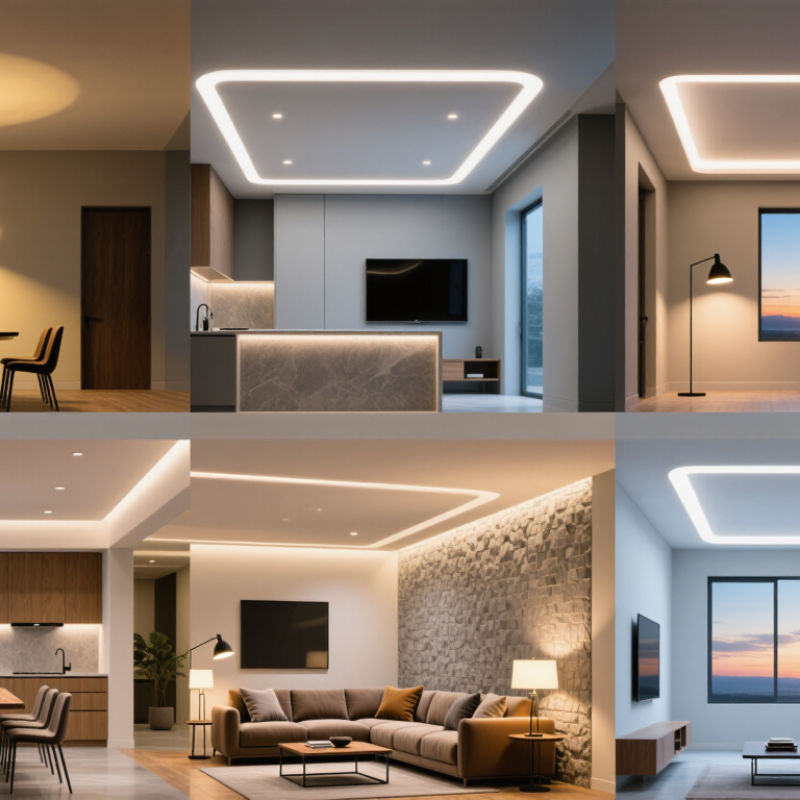
2026 How to Choose Lighting Ideas for Contemporary Spaces

Defining Contemporary Lighting and Its Role in Modern Spaces

Contemporary lighting is not simply a collection of sleek fixtures. It is a layered system that supports movement, mood, comfort, and visual focus. In a kitchen, a soft ceiling wash can reduce harsh shadows, while focused light above the island supports safe food preparation. This practical balance defines its role in modern spaces. It serves people before decoration.

During residential lighting projects, I have found that the best results begin with observing daily habits. A reading corner needs controlled light at eye level, not merely a bright pendant overhead. A hallway may need low, continuous illumination to guide movement at night. Dimmers, warm color temperatures, and concealed sources can make a room feel calm without making it dull. Yet specifications matter. Glare, poor color rendering, and excessive brightness can undermine an otherwise elegant design.

Contemporary schemes also respond to architecture. Linear lighting can emphasize a long wall, while a small directional beam can reveal stone texture or artwork. Good planning considers ceiling height, reflective surfaces, maintenance access, and changing daylight. I once favored visual drama over easy maintenance, and the choice created unnecessary frustration. That mistake still influences my practice. A lighting plan should remain flexible, human-scaled, and honest about how the space will actually be used.

Assessing Room Function, Layout, and Natural Light Conditions

Contemporary lighting should begin with the room’s purpose, not a fashionable fixture. A kitchen needs clear, shadow-free light for chopping and cleaning. A living room benefits from softer layers for reading, conversation, and rest. In my projects, I test activities at different times before choosing lamp positions. A beautiful pendant can still fail if it casts shadows across a worktop.

Layout matters just as much. Mark furniture on the floor with tape, then observe walking paths and sightlines. Place task lighting near desks, mirrors, islands, and reading chairs. Keep fixtures away from doors that open upward or shelves that may block the beam. I once positioned a floor lamp beside a sofa, only to discover that it narrowed the main passage. The design looked balanced on paper, but daily movement exposed the mistake.

Tips

Watch the room for one full day. Morning sun may brighten one wall, while late afternoon light creates glare near glass. Use dimmable, layered lighting where possible, combining ambient, task, and accent sources. Check color appearance beside the actual flooring and wall paint. Samples can deceive. A warm light may feel comfortable in the evening but appear dull during cloudy mornings. Record these changes before making a final decision. Reflective surfaces also deserve caution; glossy tables and screens can produce distracting highlights. A small adjustment in height or angle often solves more than a larger fixture.

2026 How to Choose Lighting Ideas for Contemporary Spaces - Assessing Room Function, Layout, and Natural Light Conditions

Room Function Typical Area Layout and Activity Assessment Natural Light Condition Recommended Lighting Layers Contemporary Lighting Ideas and Placement Target Illuminance Recommended CCT Control Strategy
Living Room 18–35 m² Flexible seating, conversation areas, reading corners, and circulation paths require overlapping light zones rather than a single central fixture. Moderate to high daylight from windows or glazed doors. Glare may occur on screens and polished surfaces during the day. Ambient ceiling or cove lighting
Adjustable accent lighting
Portable or floor task lighting
Use recessed adjustable downlights around the room perimeter, a decorative pendant over a central coffee table, and wall washers to highlight artwork or textured walls. Keep fixtures outside direct screen-reflection angles. 100–300 lux 2700–3000 K Separate ambient, accent, and reading circuits. Add dimming and daylight-responsive control near windows.
Kitchen 10–20 m² Multiple work zones usually include countertops, a sink, a cooktop, storage, and an island. Shadows from wall cabinets can reduce work-surface visibility. Often bright near windows but uneven at worktops, especially when daylight comes from behind the user. General ambient lighting
Under-cabinet task lighting
Decorative island lighting
Place continuous under-cabinet lighting toward the front of the worktop, use evenly spaced ceiling downlights between cabinets, and suspend pendants above an island without blocking sightlines. 300–500 lux 3000–4000 K Use separate controls for ceiling, under-cabinet, and island lighting. Choose fixtures with high color rendering for food preparation.
Dining Area 10–18 m² The table is the visual and functional center. Clearance around chairs and circulation routes should remain unobstructed. Daylight may be strong from adjacent windows, while evening lighting must create a comfortable focal point without shining into diners’ eyes. Ambient lighting
Table-focused pendant lighting
Wall or display accent lighting
Center a dimmable pendant or linear suspension over the table. Use a wide shade or diffused diffuser to reduce glare, and add low-level wall lighting for visual balance. 150–300 lux 2700–3000 K Use a dedicated dimmer for the table fixture and a separate circuit for display or wall lighting.
Bedroom 12–25 m² Lighting should support relaxation, dressing, reading, and safe movement without producing harsh brightness near the bed. Daylight varies significantly with window orientation, curtains, and blackout treatments. Low evening brightness is generally more comfortable. Soft ambient lighting
Bedside task lighting
Wardrobe or dressing lighting
Combine concealed cove lighting or a diffused ceiling fixture with bedside sconces or pendants. Add vertical wardrobe lighting to improve clothing color recognition and reduce shadows. 100–200 lux 2200–3000 K Provide bedside switching on both sides of the bed. Use dimming and a low-level nighttime pathway setting.
Home Office 8–16 m² The desk, monitor, storage, and video-call background need different lighting conditions. The screen should not face a bright window directly. Daylight is beneficial but can cause screen glare and facial shadows during video calls. Side-window placement is usually easier to control. Ambient lighting
Desk task lighting
Vertical background lighting
Place the desk perpendicular to the window when possible. Use a diffused ceiling source, an adjustable desk lamp, and soft vertical lighting behind or beside the camera position. 300–500 lux 3000–4000 K Use glare-controlled fixtures, dimming, and window shades. Maintain balanced brightness between the desk, screen area, and background.
Bathroom and Vanity 5–10 m² The mirror, sink, shower, and circulation zone require different lighting functions. Facial lighting should come from the front or both sides. Daylight can provide useful color information but may create strong shadows when it comes from above or behind the user. General ambient lighting
Vertical vanity lighting
Moisture-resistant shower lighting
Install vertical lights on both sides of the mirror or use an evenly illuminated mirror. Keep ceiling downlights from casting deep shadows under the eyes and chin. 200–500 lux 3000–4000 K Use separate vanity and general-lighting controls. Select fixtures with appropriate protection for damp or wet locations.
Entry and Hallway 4–12 m² Primary needs are orientation, safe movement, visual transition, and emphasis on doors, artwork, or architectural features. Often receives limited daylight, especially in internal corridors. Bright exterior light can make the entry feel dim by comparison. Ambient circulation lighting
Wall or artwork accent lighting
Low-level orientation lighting
Use evenly spaced ceiling fixtures or a linear ceiling source. Add wall washers to widen narrow spaces and low-level lighting near steps or floor transitions. 100–200 lux 2700–3000 K Use occupancy sensors or timed controls where suitable. Keep switching simple and accessible from both ends of a corridor.
Media Room 12–30 m² Seating faces a screen, so direct glare, reflections, and bright visual fields behind the viewer should be minimized. Daylight should be controllable with blinds or curtains. Uncontrolled windows can reduce screen contrast and cause reflections. Low-level ambient lighting
Indirect cove lighting
Step or pathway lighting
Use concealed perimeter lighting, dimmable wall washing, and shielded pathway lights. Avoid visible point sources within the viewer’s field of vision. 50–150 lux 2200–2700 K Use scene controls such as viewing, cleaning, and circulation modes. Integrate blackout shades or other daylight-management measures.
Open-Plan Contemporary Space 30–80 m² Living, dining, kitchen, and work areas share one volume. Each activity needs a distinct lighting zone while the overall appearance remains visually coherent. Daylight distribution may be uneven, with brighter perimeter areas and darker internal zones. Glare and thermal gain can vary by window orientation. Layered ambient lighting
Zone-specific task lighting
Decorative and architectural accent lighting
Arrange lighting according to furniture and activity zones rather than a rigid ceiling grid. Use a consistent fixture language while varying beam angle, output, and control scenes. 150–500 lux 2700–4000 K Group fixtures by use and daylight exposure. Use dimming, scene presets, and daylight-responsive control to prevent over-lighting near windows.

Planning note: Illuminance values are practical design ranges for residential interiors. Actual requirements depend on surface reflectance, ceiling height, fixture efficiency, visual tasks, user age, glare control, and local electrical and building regulations. Use high color-rendering light sources where accurate material and skin tones matter.

Selecting Fixtures, Light Sources, and Suitable Color Temperatures

2026 How to Choose Lighting Ideas for Contemporary Spaces

Selecting fixtures, light sources, and suitable color temperatures requires more than matching a sculptural shape to a clean interior. Start with the room. A recessed fixture can disappear above a concrete ceiling, while a pendant can anchor a dining table. Check beam angle, mounting height, glare control, and maintenance access before choosing appearance. The U.S. Department of Energy reports that LED lighting uses at least 75% less energy and lasts up to 25 times longer than incandescent lighting.

Light source quality matters beside efficiency. For kitchens, studios, and reading areas, select sources with strong color rendering, preferably an Ra above 90 when accurate material color matters. The Illuminating Engineering Society’s TM-30 method adds fidelity and gamut measures, helping designers evaluate whether reds, greens, and skin tones appear natural. A high rating does not guarantee comfort. Diffusers, wall reflection, and viewing angles still shape the experience.

Color temperature should follow activity and surfaces. Warm 2700K to 3000K light can soften timber, textiles, and evening spaces. Neutral 3500K to 4000K may support cleaner visual work in kitchens or home offices. The CIE’s technical guidance treats correlated color temperature as only one part of appearance, not a complete comfort measure. I often test samples after sunset, because a fixture that looks refined in a showroom may feel harsh beside a dark wall. The 3000K default is convenient, but sometimes wrong. Test it at night.

2026 How to Choose Lighting Ideas for Contemporary Spaces

Select fixtures and light sources by matching the color temperature to the atmosphere and visual tasks of each space. The chart shows common correlated color temperature ranges in Kelvin (K).

Lower color temperatures create a warmer, more intimate atmosphere, while higher temperatures provide a cooler appearance that can support focused tasks. Actual selection should also consider illuminance, glare control, color rendering, dimming, and the materials used in the interior.

Balancing Ambient, Task, and Accent Lighting for Visual Comfort

Contemporary lighting should support the room before it decorates it. Ambient lighting creates a gentle base, preventing harsh contrasts across walls and floors. Recessed fixtures, concealed strips, or diffused pendants can provide this layer. Keep it calm. A comfortable living room often needs less brightness than expected, especially after sunset.

Task lighting should follow real actions. Place a focused fixture beside a reading chair, above a kitchen worktop, or near a mirror. The beam should reach the hands without shining into the eyes. Adjustable fittings help people with different heights and visual needs. Warm white light, around 2700K to 3000K, usually feels inviting in residential spaces. However, cooler light may improve alertness in work areas. Not too bright.

Accent lighting adds depth through contrast. Aim it at textured plaster, artwork, shelving, or a wood grain surface. Avoid pointing every beam at eye level. Reflections from glass and polished stone can create unexpected glare. Dimming controls allow the atmosphere to change from morning activity to evening rest.

In practice, I once planned a striking ceiling layout that looked impressive in drawings but felt tiring after ten minutes. The mistake was excessive brightness and poor aiming. Now, I test lighting from seated and standing positions before final installation. A small shadow can be useful; perfect uniformity may feel flat. Proper spacing, color consistency, and easy controls matter more than visual drama.

Applying Smart Controls, Energy Efficiency, and Design Consistency

2026 How to Choose Lighting Ideas for Contemporary Spaces

Applying Smart Controls, Energy Efficiency, and Design Consistency

Contemporary lighting should respond to real behavior, not only visual trends. In residential projects, I often begin with daylight patterns, room use, and evening routines. A bright kitchen needs different control logic than a quiet reading corner. Layered lighting works well: ambient light supports movement, task light improves accuracy, and softer accents shape the atmosphere.

Smart controls can connect these layers through dimming, occupancy detection, scheduling, and daylight adjustment. Keep the interface simple. Too many scenes confuse people. A wall control with clear labels may outperform an advanced system that nobody understands. Set warm evening levels and brighter daytime settings, but test them in the actual room. Screens, pale walls, and reflective floors can make glare surprisingly intense.

Energy efficiency depends on more than efficient fixtures. Good zoning prevents empty rooms from staying fully lit. High-quality LED sources reduce replacement work, while appropriate color rendering protects material and artwork appearance. Check heat, maintenance access, and control compatibility before installation. This is where plans can fail. A visually elegant fitting may create shadows across a work surface. A sensor may react slowly near a doorway.

Commissioning, observation, and small adjustments matter. Design consistency should guide the room, not make every fitting identical. Repeating finishes, beam angles, and color temperatures can create calm continuity without flattening the space.

FAQS

How should I choose a fixture for a contemporary room?

Start with the room’s function, ceiling, and furniture. A recessed fixture can disappear above concrete, while a pendant can anchor a dining table. Looks are not enough.

What technical details should I check before buying a light fixture?

Review beam angle, glare control, mounting height, heat, and maintenance access. A narrow beam may spotlight one chair and leave nearby surfaces dim. Measure before ordering.

Why does light source quality matter?

Strong color rendering helps kitchens, studios, and reading areas show materials naturally. Choose a rating above 90 when accurate colors matter. High ratings do not guarantee comfort.

Which color temperature suits different activities?

Warm 2700K–3000K can soften timber and textiles in evening rooms. Neutral 3500K–4000K can support cleaner work in kitchens or offices. The usual 3000K choice can still feel wrong.

How can I test color temperature properly?

Test samples after sunset, beside the actual wall and floor. A showroom may look refined, while a dark wall makes the fixture feel harsh. Live with the sample briefly. I sometimes choose too quickly.

How should lighting layers work together?

Ambient light supports movement, task light improves accuracy, and accent light shapes mood. Combine ceiling light, a work-surface source, and a dim corner lamp. Keep each layer useful.

What smart controls are worth using?

Dimming, occupancy detection, scheduling, and daylight adjustment can match lighting to real routines. Use clear labels and a few scenes. A simple wall control may outperform a complex interface. Too many scenes confuse people.

How can lighting reduce energy use?

Use efficient LED sources, sensible zoning, and automatic shutoff in empty rooms. Do not leave an unoccupied room fully lit. Check control compatibility before installation. Efficiency alone cannot fix poor planning.

How do I avoid glare and uncomfortable shadows?

Test screens, pale walls, reflective floors, and work surfaces under the planned lighting. Diffusers and wall reflections change the experience. Observe the room at night, then adjust. Small corrections matter.

How can different fixtures create a consistent design?

Repeat selected finishes, beam angles, or color temperatures across connected spaces. Do not make every fitting identical. Calm continuity is useful, but too much repetition can flatten the room.

Conclusion

Choosing Lighting Ideas For Contemporary Spaces begins with understanding how light supports both the architecture and the people using it. Contemporary lighting should combine clean visual forms with practical performance, creating an atmosphere that feels open, balanced, and purposeful. Start by considering the room’s function, furniture arrangement, ceiling height, and access to natural light. These factors help determine where illumination is needed and how strong it should be.

A successful plan layers ambient, task, and accent lighting to improve comfort and add depth. Select fixtures and light sources that suit the room’s proportions, while choosing color temperatures that complement materials, finishes, and daily activities. Warm, softer light can create relaxation, while clearer, cooler tones may support concentration. Smart controls, dimming, scheduling, and energy-efficient sources can improve flexibility and reduce unnecessary consumption. Finally, maintain consistency in shape, finish, and light quality so every fixture contributes to a unified contemporary design.

Liam

Liam

Liam is a dedicated marketing professional with a profound expertise in the industry, where he excels at highlighting the unique advantages of our core products. With a keen understanding of market trends and consumer needs, Liam frequently updates our company’s professional blog, providing......